
Key Facts
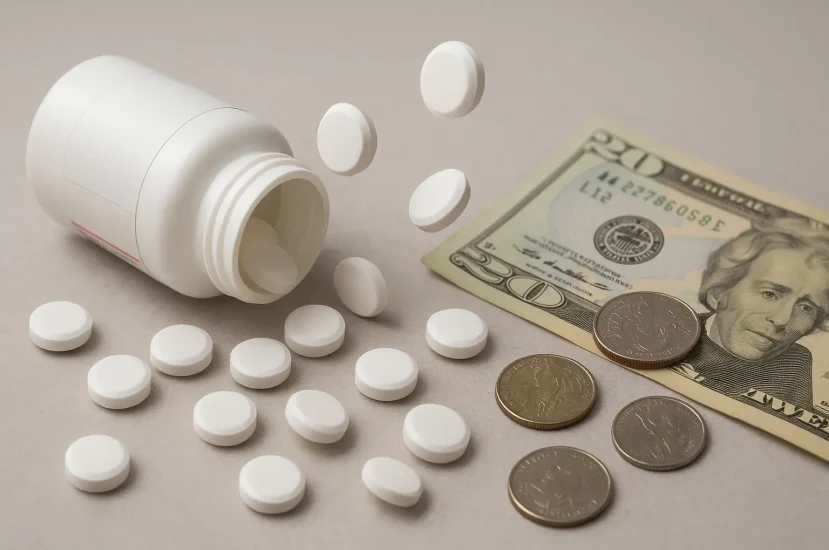
- Let’s just state the obvious: life-saving medicine shouldn’t break the bank. But it often does.
- Your first and best move is always to ask for the generic version of your medicine. It’s the same active ingredient, just without the fancy marketing budget.
- Many countries have a “Safety Net” or savings program. You have to track your spending to qualify, but it can save you a fortune.
- Ask your doctor about 60- or 90-day prescriptions. Getting more at once can often cut your co-pay costs significantly.
- You have to be your own best advocate. No one is going to offer you these savings if you don’t ask.
On this page:
The Sticker Shock at the Pharmacy Counter
I spend my days talking about the health of mothers and babies. But you know what conversation comes up almost as often? Money. The sheer, gut-wrenching cost of prescription medications. I’ve seen parents trying to figure out if they can afford the antibiotics for their child’s ear infection or the special formula for their baby’s reflux. It’s a heavy, unfair burden when you’re already stressed and worried.
Many countries have government programs to help with this. In Australia, it’s called the Pharmaceutical Benefits Scheme (PBS), and in the US, programs like Medicare Part D play a role. But the names don’t matter as much as the principle: there are systems designed to help you, but they can be incredibly confusing. I want to give you some simple, universal strategies to navigate this system and get the medicine you need without going broke.
The Easiest Win: Go Generic
This is the lowest-hanging fruit, the easiest first step. When a company develops a new drug, they give it a fancy brand name and have exclusive rights to sell it for years. But once that patent expires, other companies can make the exact same medicine. This is a generic drug.
Think of it like this: you can buy the fancy, brand-name cereal in the colorful box, or you can buy the store-brand version in the big bag. It’s the same toasted oats inside. Generic medicines have the exact same active ingredient, in the exact same dose, as the brand-name drug. They are just as safe and effective. The only difference? They don’t have a massive marketing budget, so they are almost always cheaper. Always ask your pharmacist: “Is there a generic version of this?”
The “Safety Net” Concept: A Lifeline for High Costs
This is a big one, especially for families dealing with chronic conditions like asthma, diabetes, or serious mental health issues. Most government subsidy programs have a “Safety Net” threshold. This means that once your out-of-pocket spending on medications reaches a certain amount in a calendar year, the cost of your drugs drops dramatically for the rest of the year. For some, they even become free.
But here’s the catch: the system doesn’t automatically track this for you, especially if you use different pharmacies. You have to be the bookkeeper. Ask your pharmacy to keep a running total for your family. If you hop between pharmacies, you need to keep your receipts or a record form. It’s a bit of a hassle, I know. But for families spending hundreds of dollars a month, hitting that Safety Net can be a financial lifesaver.
The Simple Math of a 90-Day Supply
This is another simple trick. For medicines you take long-term, ask your doctor if they can write a prescription for a 60- or 90-day supply instead of a 30-day supply. Why? The math is simple. You’re often paying one co-pay for three months’ worth of medicine instead of three separate co-pays. It can literally cut your costs by two-thirds for that medication. This is for stable, ongoing conditions where your dose isn’t changing. It’s a question worth asking.
You Have to Be Your Own Advocate
Here’s the tough love part. The healthcare system is big and busy. Your doctor and pharmacist are juggling hundreds of patients. They might not always remember to offer you the cheapest option. You have to learn to ask the questions.
- “Is there a generic for this?”
- “Can you make this a 90-day prescription?”
- “Am I getting close to my Safety Net this year?”
- “My insurance doesn’t cover this well. Is there a different, more affordable medicine in the same class we could try?”
You are not being difficult; you are being a smart consumer of healthcare. You have a right to understand your costs and to seek out the most affordable way to stay healthy. It’s your money, and more importantly, it’s your health. Take control.