
Key Facts
- If you experience a strange side effect or a problem with a medicine, you’re not just a patient—you’re a frontline data collector.
- Reporting these issues isn’t about getting someone in trouble; it’s about adding a piece to a giant safety puzzle.
- Clinical trials can’t find everything. Real-world experiences from people like you are how we discover rare or long-term side effects.
- It’s not just for serious reactions. Is the packaging impossible to open for someone with arthritis? Does the pill look a different color this month? That’s worth reporting.
- You can tell your doctor or pharmacist, or you can report it directly to the TGA (in Australia) or the FDA (in the US) yourself. It’s easier than you think.
On this page:
Your Silent Experience Has Power
You start a new medicine. A few days later, you develop a weird, itchy rash that wasn’t mentioned in the common side effects. What do you do? Most of us just stop taking the medicine, grumble about it, and move on. We think our experience is just a one-off, a personal problem. But what if it’s not?
What if ten other people in your city, and a hundred other people across the country, are getting that exact same rash? If no one ever reports it, it remains a collection of silent, individual experiences. But if you speak up, you add a data point. Your doctor adds a data point. And soon, a pattern emerges. That pattern is what allows regulatory bodies like the TGA in Australia or the FDA in the U.S. to spot a problem and protect millions of other people.
Clinical trials for new drugs, as thorough as they are, might only involve a few thousand people. It’s only when a medicine is out in the real world, being used by millions of diverse people, that we can spot the rarer side effects. You are a crucial part of that real-world safety monitoring system. Your voice has immense power.
It’s Not Just About Side Effects
When we talk about reporting problems, our minds immediately go to adverse reactions. But it’s so much broader than that. I want you to think about reporting anything that feels “off.”
- Packaging Problems: Is the child-proof cap so difficult that you, an adult, can’t open it? Is the label printing so tiny you need a magnifying glass? Does the name of the drug look confusingly similar to another one in your cabinet? This is valuable feedback.
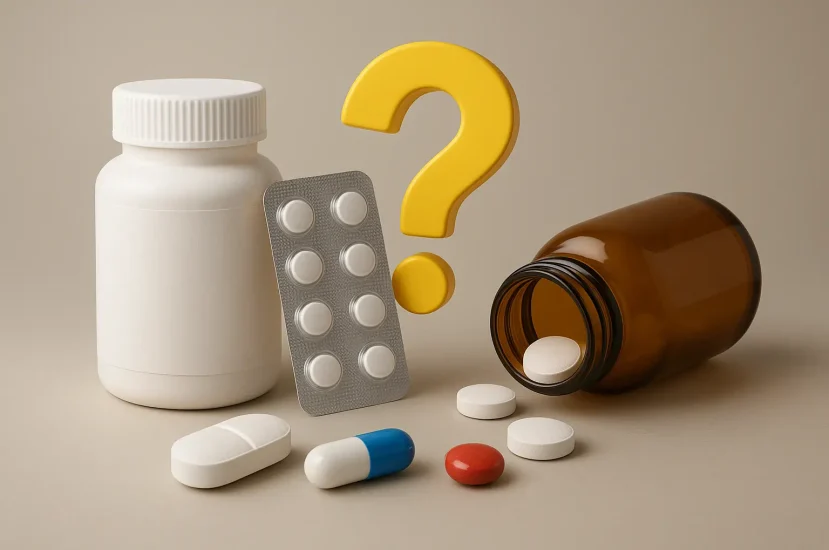
- Product Defects: Did the pills in your new bottle look crumbly or a different color than usual? Was the seal broken? This could indicate a problem with a whole batch.
- Counterfeit Concerns: Did you buy a medicine online that just seems… weird? If you suspect it’s a fake, reporting it is a critical public health action.
So, What Happens When You Report Something?
It doesn’t disappear into a black hole, I promise. These reports are collected and analyzed by teams of scientists and doctors. They look for signals. Is there a sudden spike in reports of liver problems with a certain statin? Are there multiple reports of a specific brand of insulin pen jamming?
If they find a credible signal, they investigate. This can lead to real changes. A new warning might be added to the official medicine information (CMI). A drug might get a “black box” warning for a serious risk. In rare cases, a product might be recalled from the market. Your one report could be the puzzle piece that completes the picture and triggers a life-saving action.
How to Actually Do It (It’s Not Scary, I Promise)
You have two main paths, and both are simple.
- Tell Your Doctor or Pharmacist. This is the easiest first step. Just tell them what happened. They can give you medical advice, and they have a professional responsibility and streamlined systems to submit a formal report on your behalf. Your personal details are kept confidential.
- Do It Yourself Online. Both the TGA and the FDA have user-friendly websites where consumers can report problems directly. You don’t need to be 100% certain that the drug caused the problem. “Suspected” problems are just as important to report. Just describe what happened as clearly as you can.
Think of It as Your Community Duty
We’re all in this together. The safety of our medicines depends on a collective watchfulness. The mother who reports that a certain antibiotic gave her breastfeeding baby terrible colic might help uncover a link that protects thousands of other infants. The person who reports a confusing label might prevent an accidental overdose in an elderly patient.
Next time something seems wrong, don’t just brush it off. See it as your opportunity to be a good citizen of the healthcare world. Speak up. Your voice matters more than you know.