
iMedix Medical Content Engine 3.13.37

Hello,

Sign up to join our community!

Welcome Back,

Please sign in to your account!

Forgot Password,

Lost your password? Please enter your email address. You will receive a link and will create a new password via email.

Sorry, you do not have permission to ask a question, You must login to ask a question.

Albendazole: Uses, dosage, side effects, warnings & patient reviews

Albendazole

Albendazole

Albendazole

Albendazole
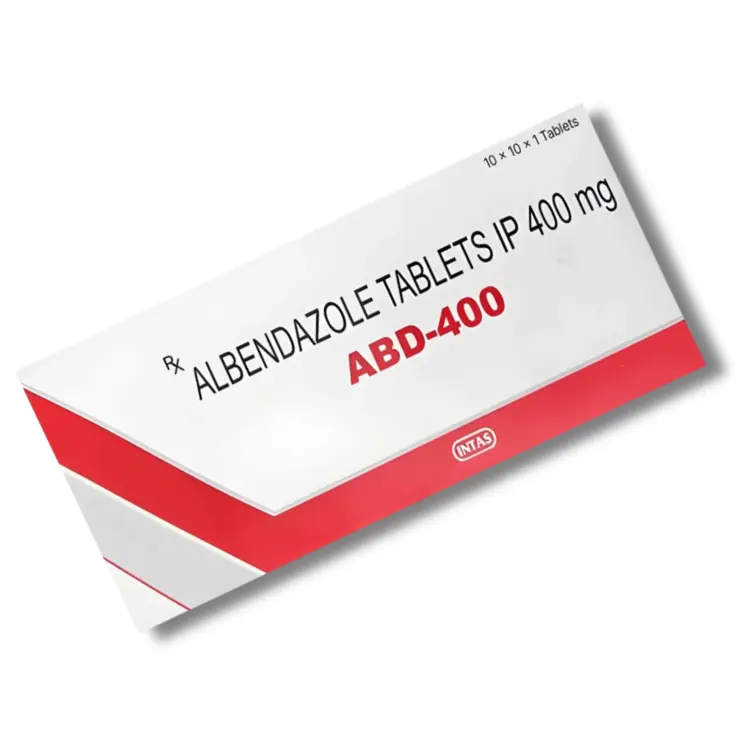
Albendazole is a prescription anthelmintic (anti-parasite) medication belonging to the benzimidazole drug class. It is used to treat specific tissue-based parasitic infections, such as neurocysticercosis (cysts in the brain) and hydatid disease (cysts in the liver and lungs).
  • ActiveIngredient: Albendazole
  • DosageForm: Oral tablets
  • Dosage: Tablets: 200 mg (U.S. strength); Typical adult dosage range is 400 mg to 800 mg per day (administered as 200 mg tablets).
  • Indications: Parenchymal neurocysticercosis (due to Taenia solium); Cystic hydatid disease (due to Echinococcus granulosus).
  • Manufacturer: GlaxoSmithKline (Albenza); generic manufacturers include Amneal Pharmaceuticals and Edenbridge Pharmaceuticals.
  • Storage: Store at room temperature 20°C–25°C (68°F–77°F); protect from moisture and light.
  • Drug Status: Prescription Only

What is Albendazole?

Albendazole is a broad-spectrum antiparasitic medication. Its active compound is a member of the benzimidazole class of drugs, which are known for their anthelmintic (worm-killing) properties. It is a prescription-only medication, and generic versions are available.

The drug is specifically indicated for the treatment of systemic tissue infections caused by certain parasites. Its primary FDA-approved uses are for neurocysticercosis, caused by the pork tapeworm, and for cystic hydatid disease of the liver, lung, and peritoneum, caused by the dog tapeworm. It may also be used under medical direction for other parasitic infections.

How does albendazole work? The drug’s mechanism of action involves inhibiting the polymerization of beta-tubulin into microtubules in the parasitic cells. This disrupts critical processes like glucose uptake and cellular structure, leading to the parasite’s eventual depletion of energy stores and death.

How to Take Albendazole

Administration of albendazole must strictly follow a healthcare provider’s instructions due to its serious potential side effects and variable absorption.

Administration and Timing

Albendazole tablets, such as albendazole 400 mg, are taken orally. A critical factor for its effectiveness in treating systemic tissue infections is that it is absorbed poorly on an empty stomach. To achieve adequate therapeutic blood levels, the tablets must be taken with a meal, particularly a high-fat meal (containing approximately 40 grams of fat). This can increase drug absorption up to fivefold.

Course of Treatment

Treatment cycles typically consist of 28 days of dosing followed by a 14-day drug-free interval. The number of cycles required depends on the specific infection being treated, its severity, and radiographic evidence of cyst reduction. Treatment for intestinal parasites may involve a single dose. Never adjust the dose or duration of therapy without consulting your doctor.

Monitoring Requirements

Due to risks of liver injury and bone marrow suppression, medical supervision is mandatory. Patients will require regular blood tests, including complete blood counts (CBC) and liver function tests (LFTs), before starting each treatment cycle and every two weeks during therapy.

Side Effects of Albendazole

Albendazole can cause a range of adverse effects, from common and mild to serious and potentially life-threatening. Medical monitoring is essential to manage these risks.

Common and Serious Side Effects of Albendazole
FrequencySide EffectsAction to Take
Common
  • Headache (common in neurocysticercosis treatment; see headache)
  • Nausea, vomiting, abdominal pain
  • Dizziness
  • Reversible hair loss (alopecia)
Report these to your doctor at your next visit. They are often manageable but should be monitored.
Serious (Seek Medical Help)
  • Signs of liver problems: persistent nausea/vomiting, severe stomach/abdominal pain, dark urine, yellowing eyes/skin (jaundice)
  • Signs of low blood cell counts: unexplained fever, persistent sore throat, easy bruising/bleeding, severe fatigue
  • Severe headache, neck stiffness, increased sensitivity to light, confusion (signs of increased brain pressure or meningitis)
  • Signs of a severe skin reaction: rash, blistering, peeling skin
Stop taking albendazole and contact your doctor or seek emergency care immediately. These require prompt medical evaluation.

What is Albendazole Used For?

Albendazole is prescribed for specific parasitic infections, primarily those affecting tissues rather than just the intestinal lumen.

Primary Medical Uses

  • Neurocysticercosis: This is an infection of the central nervous system with the larval cysts of the pork tapeworm (Taenia solium). Albendazole is indicated for the treatment of active parenchymal lesions. Treatment often requires co-administration of steroid therapy and anti-seizure medications to manage the inflammatory response caused by dying parasites.
  • Cystic Hydatid Disease: This condition, caused by the larval stage of the dog tapeworm (Echinococcus granulosus), involves cysts forming in the liver, lungs, and other organs. Albendazole is used as an adjunct to surgery or for inoperable cases.

Other Uses (May Be Off-Label)

Albendazole may also be used under physician direction for certain intestinal parasitic infections, such as pinworm (enterobiasis), hookworm, roundworm, and whipworm. For these common intestinal parasites, treatment often involves a single dose or short course, but diagnosis and treatment decisions must be made by a healthcare provider.

Interactions Alcohol:

Consult your doctor
There is no direct pharmacokinetic interaction between alcohol and albendazole. However, since both substances can be metabolized by the liver and albendazole carries a risk of hepatotoxicity, concurrent use may place additional, unnecessary strain on the liver. It is generally advisable to avoid or minimize alcohol consumption during treatment.

Interactions Other Medications:

Consult your doctor
Albendazole is metabolized in the liver. Drugs that affect liver enzymes can alter albendazole levels. For example, dexamethasone (used in neurocysticercosis treatment) can increase plasma levels of albendazole sulfoxide. Conversely, drugs like cimetidine, praziquantel, and certain antiepileptics may also interact. A complete medication review with your doctor is essential.

Special Groups Pregnancy:

Unsafe
Albendazole is contraindicated in pregnancy. It is known to cause fetal harm in animal studies. Females of reproductive potential must have a negative pregnancy test prior to therapy and use effective contraception during treatment and for at least 3 days after the last dose. For general guidance, see medication safety in pregnancy.

Special Groups Breastfeeding:

Consult your doctor
It is not known if albendazole is excreted in human milk in significant amounts. Because of the potential for serious adverse reactions in nursing infants, a decision should be made to discontinue nursing or discontinue the drug, taking into account the importance of the drug to the mother.

Special Groups Elderly:

Use with caution
No specific dosage adjustment is routinely recommended for elderly patients. However, they may have a higher frequency of decreased hepatic, renal, or cardiac function, which necessitates careful monitoring during treatment.

Special Groups Children:

Safe if prescribed
The safety of albendazole in children is established for specific indications. Dosing for conditions like hydatid disease is often weight-based. For intestinal parasites in children, it should only be given under a doctor's direction.

Effects on Activities Driving:

Use with caution
Albendazole may cause dizziness or headache. Patients should not drive or operate machinery until they are certain the medication does not adversely affect their alertness.

Effects on Activities Operating Machinery:

Use with caution
The same caution as for driving applies. Refrain from operating dangerous machinery if experiencing dizziness or visual disturbances.

Important Safety Concerns and Considerations

Treatment with albendazole requires awareness of its significant and potentially serious risks, which necessitate strict medical supervision.

Teratogenic Risk and Pregnancy Prevention

Albendazole may cause fetal harm. It is assigned to Pregnancy Category D. Reliable contraception is mandatory for women of childbearing potential before, during, and after treatment. Pregnancy testing before initiating therapy is standard practice.

Hepatotoxicity (Liver Injury)

Elevations of liver enzymes are common. In rare cases, serious, potentially fatal liver injury, including acute liver failure, can occur. Patients with pre-existing liver conditions, such as hepatitis, require extreme caution. Regular monitoring of liver function tests (LFTs) is mandatory, and the drug should be discontinued if significant elevations occur.

Bone Marrow Suppression

Albendazole can cause a decrease in white blood cells (neutropenia) and, more rarely, pancytopenia (low levels of all blood cells). This increases the risk of infections and bleeding. Regular complete blood count (CBC) monitoring is required. Patients should report any signs of infection (fever, sore throat) or unusual bruising/bleeding immediately.

Neurological Events in Neurocysticercosis

When treating neurocysticercosis, the inflammatory response to dying cysts in the brain can lead to cerebral edema, increased intracranial pressure, seizures, and other neurological complications. Hospitalization for the first cycle of therapy is often recommended. Concomitant use of corticosteroids and anticonvulsant therapy is standard.

Critical Warnings for Albendazole Use

Monitoring for Hematologic and Hepatic Toxicity

Blood tests (CBC) and liver function tests must be performed at the start of each treatment cycle and every two weeks during therapy. Treatment should be withheld if clinically significant reductions in blood cell counts or liver enzyme elevations (exceeding twice the upper limit of normal) occur.

Risk of Retinal Damage

Rare cases of retinal damage have been reported with high-dose, long-term albendazole use. Patients should be monitored for visual changes.

Contraindications

Albendazole is contraindicated in individuals with known hypersensitivity to albendazole, other benzimidazole drugs (e.g., mebendazole), or any component of the formulation. Its use is also contraindicated during pregnancy.

Cysticercosis and Concomitant Steroid Use

To minimize the risk of neurological complications in patients being treated for neurocysticercosis, oral or intravenous corticosteroids are typically administered concurrently. Patients must be closely monitored.

Albendazole Dosage Information

Dosage is determined by a healthcare provider based on the type of infection, patient weight, and medical history. The following are general guidelines. Never self-prescribe or adjust dosage.

General Albendazole Dosage Guidelines
ConditionPatient WeightRecommended DosageDuration & Notes
Neurocysticercosis>60 kg400 mg twice daily8 to 30 days. Concomitant steroid therapy is recommended. Hospitalization may be advised for the first cycle.
<60 kg15 mg/kg/day (divided into two doses), max 800 mg/day
Hydatid Disease>60 kg400 mg twice daily28-day cycle followed by a 14-day drug-free interval. Typically requires 3 cycles. Dosing is with a high-fat meal.
<60 kg15 mg/kg/day (divided into two doses), max 800 mg/day
Common Intestinal Parasites* (e.g., pinworm, hookworm)Adults & Children >2 years400 mg as a single doseMay be repeated in 2-4 weeks if indicated. Often requires treatment of all household contacts. *Note: This may be an off-label use for the branded product in some regions.

*Note: Dosage for intestinal parasites is often simpler but must still be prescribed by a doctor.

Drug Interactions with Albendazole

Albendazole has several important drug interactions that can affect its levels or increase the risk of side effects.

Significant Drug Interactions with Albendazole
Interacting SubstanceEffect of InteractionRecommendation
Dexamethasone and other corticosteroidsCan increase plasma levels of the active metabolite (albendazole sulfoxide) by up to 50%. This is often utilized therapeutically in neurocysticercosis treatment.This interaction is managed by the prescribing physician as part of the treatment protocol. Dose adjustments may be made.
Cimetidine, PraziquantelMay increase plasma levels of albendazole sulfoxide.Monitoring for increased albendazole side effects is advised when used concomitantly.
Other drugs metabolized by CYP450 enzymes (e.g., certain anticonvulsants, theophylline)Albendazole may affect the metabolism of other drugs, potentially altering their effectiveness or toxicity.Inform your doctor of all medications. Levels of concomitant drugs (e.g., theophylline) may need monitoring.
Grapefruit JuiceMay inhibit enzymes that metabolize albendazole, potentially increasing drug levels and side effects.It is prudent to avoid grapefruit juice during treatment.

FAQs

Both are antiparasitic drugs but with different spectra of activity. Albendazole is primarily effective against cestodes (tapeworms) and many nematodes (roundworms). Ivermectin is highly effective against strongyloidiasis and onchocerciasis (river blindness), and is also used for scabies. The choice depends on the specific parasite diagnosed. For more on ivermectin, see information on Stromectol.
For common intestinal nematode infections like pinworm or hookworm, a single 400 mg dose is often effective for adults and children over 2 years old. However, a medical diagnosis is essential before treatment, as symptoms can mimic other conditions, and the dose may need to be repeated. Treatment of all household contacts is often recommended to prevent reinfection.
Albendazole is poorly absorbed from the gastrointestinal tract. Fat significantly enhances its absorption, leading to much higher (up to 5 times) blood levels of the active drug. This is critical for treating tissue infections like hydatid disease or neurocysticercosis, where the drug must reach cysts in organs or the brain. For simple intestinal worms, the local effect in the gut may be sufficient even with lower absorption.
Albendazole can be prescribed for children for specific indications, and dosing is often based on body weight. It should only be given under the direction of a healthcare provider who can determine the correct dose and necessity. For general guidance on children's medications, parents can refer to a parent's guide to kids' medicine.
If you miss a dose during a multi-day treatment cycle, take it as soon as you remember. If it is almost time for your next dose, skip the missed dose and resume your regular schedule. Do not take a double dose to make up for a missed one. For single-dose regimens, take it as soon as remembered if it's on the scheduled day.

Additional Information

Storage and Handling

Store albendazole tablets at room temperature (between 15°C and 30°C or 59°F and 86°F), in a tightly closed container, away from light, excess heat, and moisture. Keep all medications out of the reach of children and pets.

Mechanism of Action in Detail

Albendazole belongs to the benzimidazole class. It works by selectively binding to free beta-tubulin in parasitic cells, inhibiting its polymerization into microtubules. Microtubules are essential for multiple cellular functions, including intracellular transport and maintenance of cell shape. Their disruption leads to impaired uptake of glucose and other nutrients, depletion of glycogen stores, and a decrease in ATP production, ultimately causing paralysis and death of the parasite.

Reporting Side Effects

You are encouraged to report negative side effects of prescription drugs to the relevant national health authority (e.g., the FDA in the United States). Reporting helps health authorities monitor drug safety and identify new risks.

References and Medical Sources

The information on this page is compiled from reputable medical sources and prescribing information.

  1. U.S. Food and Drug Administration (FDA). Albenza (albendazole) Prescribing Information. [Revised 2009]. https://www.accessdata.fda.gov/drugsatfda_docs/label/2009/020666s005s006lbl.pdf
  2. MedlinePlus. Albendazole. U.S. National Library of Medicine; [Updated 2017]. https://medlineplus.gov/druginfo/meds/a610019.html
  3. Centers for Disease Control and Prevention (CDC). Parasites – Resources – Health Professionals. https://www.cdc.gov/parasites/index.html
  4. Drugs.com. Albendazole Professional Monograph. Drugs.com; [Updated 2024]. https://www.drugs.com/monograph/albendazole.html

Disclaimer: The information on this site is provided for informational purposes only and is not medical advice. It does not replace professional medical consultation, diagnosis, or treatment. Do not self-medicate based on the information presented on this site. Always consult with a doctor or other qualified healthcare professional before making any decisions about your health.

You must login to add a comment.

Popular Questions

Top Members

Join the discussion

Comments are published after moderation. User opinions do not constitute medical advice.

We sincerely appreciate you taking the time to share your feedback. Every user's perspective is valuable to us.

Ask to get answers.