
iMedix Medical Content Engine 3.13.37

Hello,

Sign up to join our community!

Welcome Back,

Please sign in to your account!

Forgot Password,

Lost your password? Please enter your email address. You will receive a link and will create a new password via email.

Sorry, you do not have permission to ask a question, You must login to ask a question.

Amoxil: Uses, dosage, side effects, warnings & patient reviews

Amoxil

Amoxil

Amoxil

Amoxicillin
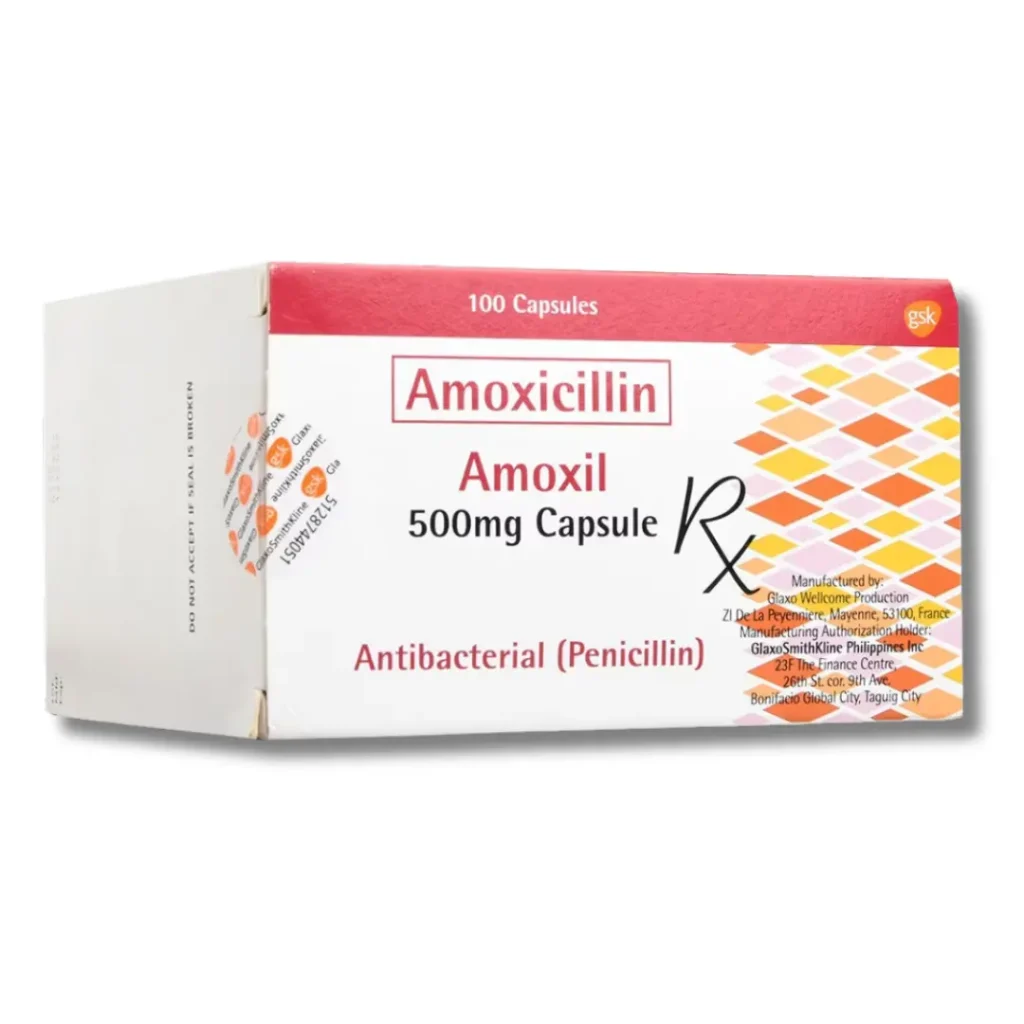
Amoxil is the brand name for the antibiotic amoxicillin. It is a penicillin-class antibiotic prescribed to treat a wide range of bacterial infections, including strep throat, ear infections, pneumonia, and urinary tract infections. It is known for its effectiveness and general safety profile.
  • ActiveIngredient: Amoxicillin
  • DosageForm: Tablets, capsules, oral suspension
  • Dosage: 250 mg, 500 mg, 875 mg
  • Indications: Respiratory infections (pneumonia, bronchitis), ear/nose/throat infections (sinusitis, tonsillitis), urinary tract infections (UTIs), skin infections
  • Manufacturer: GlaxoSmithKline (brand), various generics
  • Storage: Store tablets/capsules at room temperature. Refrigerate oral suspension after mixing; discard after 14 days.
  • Drug Status: Prescription Only

What is Amoxil (Amoxicillin)?

Amoxil is a prescription antibiotic containing the active ingredient amoxicillin. It belongs to the penicillin class of antibiotics, which work by interfering with the formation of bacterial cell walls, ultimately leading to the destruction of the bacteria.

It is essential to understand that Amoxil, like all antibiotics, is only effective against bacterial infections. It has no effect on viral illnesses such as the common cold, influenza, or most cases of bronchitis. For guidance on managing viral symptoms, see our resource on cold and flu medicines.

As a branded medication, patients should know that generic amoxicillin is widely available. For information on the safety and efficacy of these options, see our guide on generic medicines.

How to Take Amoxil

Correct administration is key to Amoxil’s effectiveness and to minimize side effects.

Administration and Timing

Amoxil can be taken with or without food. Taking it with food may help reduce the likelihood of stomach upset. Swallow tablets or capsules whole with a full glass of water.

For the oral suspension, shake the bottle well before each use. Use the measuring device provided (syringe, spoon, or cup) to ensure an accurate dose. Never use a household spoon. For parents, our guide on administering children’s medicine provides essential safety tips.

Course Completion and Missed Dose

It is critical to complete the entire prescribed course of antibiotics, even if you start to feel better after a few days. Stopping treatment early can lead to a resurgence of the infection and contribute to antibiotic resistance.

If you miss a dose, take it as soon as you remember. If it is almost time for your next dose, skip the missed dose and continue with your regular schedule. Do not take a double dose to make up for a missed one.

Side Effects of Amoxil

Like all medications, Amoxil can cause side effects. It is helpful for patients to understand the spectrum of possible side effects.

Common and Serious Side Effects of Amoxil (Amoxicillin)
FrequencySide EffectsAction to Take
Common
  • Diarrhea, nausea, or vomiting
  • Mild stomach pain or cramps
  • Vaginal yeast infection (itching or discharge)
  • Mild skin rash (non-allergic)
These are often mild and temporary. Taking with food may help. Report persistent diarrhea. For yeast infections, consult a doctor.
Serious (Seek Medical Help)
  • Signs of an allergic reaction: Hives, difficulty breathing, swelling of the face/lips/tongue/throat. (See Allergy Warnings).
  • Severe skin rash with blistering or peeling (may be a sign of a serious reaction).
  • Severe or persistent diarrhea (watery or bloody), which may indicate C. difficile infection.
  • Unusual bleeding or bruising, pale skin, extreme tiredness (signs of blood disorders).
  • Dark urine, yellowing of skin/eyes (jaundice) – signs of liver problems.
  • Severe stomach pain with nausea/vomiting (rare sign of pancreatitis).
Stop taking Amoxil and contact your doctor or seek emergency care immediately.

What Does Amoxil Treat?

Amoxil is a broad-spectrum antibiotic prescribed for various bacterial infections. It is not effective against viral infections.

Primary Medical Uses

  • Respiratory Tract Infections: Including strep throat, pneumonia, acute bronchitis (when bacterial), and sinusitis.
  • Ear, Nose, and Throat Infections: Otitis media (middle ear infection) in children and adults.
  • Skin and Soft Tissue Infections: Such as cellulitis and impetigo.
  • Urinary Tract Infections (UTIs): Including cystitis and pyelonephritis.
  • Other Infections: Used as part of combination therapy for stomach ulcers caused by H. pylori.

How Long Does Amoxil Take to Work?

Patients often start to feel symptom relief within 48 to 72 hours of starting treatment. However, it is crucial to complete the full prescribed course (typically 7 to 14 days) to ensure the infection is completely eradicated.

Interactions Alcohol:

Use with caution
While alcohol does not directly reduce Amoxil's effectiveness, it can worsen common side effects like stomach upset and nausea. It may also put additional strain on the liver. It is generally advisable to avoid or limit alcohol during treatment.

Interactions Other Medications:

Consult your doctor
Amoxil can interact with several medications. It may reduce the effectiveness of oral contraceptives; using a backup non-hormonal method is recommended. It can also increase the risk of side effects from methotrexate and reduce the effectiveness of live bacterial vaccines. A comprehensive medication review with your doctor is essential.

Special Groups Pregnancy:

Safe if prescribed
Amoxicillin is generally considered one of the safest antibiotics to use during pregnancy when an antibiotic is clearly needed. For general guidance on medication safety, refer to medication safety in pregnancy.

Special Groups Breastfeeding:

Safe if prescribed
Small amounts of amoxicillin pass into breast milk but are not expected to cause harm to a nursing infant. However, it may rarely lead to diarrhea or thrush in the baby. It is generally considered compatible with breastfeeding.

Special Groups Elderly:

Use with caution
Elderly patients may be more susceptible to side effects and may require dosage adjustments, especially if they have age-related decline in kidney function. Amoxicillin is excreted by the kidneys, so monitoring may be necessary.

Special Groups Children:

Safe if prescribed
Amoxil is commonly prescribed to children, often in a liquid suspension form. Dosage is carefully calculated based on the child's weight and the severity of the infection. Always use the provided measuring device and store medication safely out of reach. For more on safe administration, see this guide.

Effects on Activities Driving:

Safe if prescribed
Amoxil typically does not cause drowsiness or dizziness and is not expected to impair driving or operating machinery. However, if you experience any unusual dizziness, discontinue these activities.

Effects on Activities Operating Machinery:

Safe if prescribed
Most patients can safely operate machinery while taking amoxicillin. Those who develop unusual tiredness, dizziness, or other central nervous system effects should temporarily avoid hazardous machinery operation until these symptoms resolve and they feel fully alert.

Important Safety Concerns and Considerations

Penicillin Allergy

This is the most critical safety concern. Amoxil is a penicillin antibiotic. Do not take it if you have a known allergy to penicillin or other beta-lactam antibiotics (e.g., ampicillin, cephalosporins). Allergic reactions can range from a mild rash to life-threatening anaphylaxis. Inform all healthcare providers of this allergy. For more on identifying reactions, see Allergy Warnings.

Kidney Function

Amoxicillin is eliminated from the body by the kidneys. Patients with pre-existing kidney disease or severe renal impairment may require a reduced dosage to prevent drug accumulation and potential toxicity. Your doctor will determine the appropriate dose based on your kidney function.

Clostridioides difficile-Associated Diarrhea (CDAD)

Antibiotic use, including Amoxil, can disrupt the normal bacteria in the colon, allowing overgrowth of C. difficile. This can cause mild diarrhea to severe, life-threatening colitis. CDAD can occur even weeks after finishing antibiotics. Report severe, persistent, or bloody diarrhea to your doctor.

Mono Rash

Patients with infectious mononucleosis (“mono”) who are prescribed amoxicillin have a high incidence (up to 80-90%) of developing a non-allergic, maculopapular rash. This is not a true penicillin allergy but a specific interaction. If you have or suspect mono, inform your doctor.

Drug Resistance

Misuse or incomplete courses of Amoxil contribute to the development of antibiotic-resistant bacteria. Always take the medication exactly as prescribed and for the full duration, even if you feel better.

Critical Warnings for Amoxil Use

Allergic Reactions and Rash

Do not use Amoxil if you have a known allergy to penicillin, amoxicillin, or any other beta-lactam antibiotic. Allergic reactions can be severe and include:

  • Skin rash, hives, or itching.
  • Swelling of the face, lips, tongue, or throat.
  • Wheezing or severe difficulty breathing.
  • Anaphylaxis (a medical emergency).

A non-allergic rash may also occur, often appearing as flat, red spots. Any new rash should be evaluated by a doctor to determine its cause. An amoxil allergy rash can look similar to other rashes; professional assessment is crucial.

Severe Gastrointestinal Effects

As noted, Amoxil can cause antibiotic-associated colitis. Mild diarrhea is common, but if you develop watery or bloody stools, with or without stomach cramps and fever, stop taking Amoxil and contact your doctor. This could be a sign of C. difficile infection.

Use in Patients with Lymphatic or Blood Disorders

Amoxicillin can cause changes in blood cell counts. Use with caution in patients with pre-existing conditions like leukemia or lymphoma, as it may increase the risk of skin rashes.

Effectiveness of Contraceptives

Some antibiotics may reduce the effectiveness of estrogen-containing oral contraceptives. While the evidence for amoxicillin is less clear, as a precaution, women using oral contraceptives are advised to use an additional non-hormonal form of birth control (e.g., condoms) during and for 7 days after completing a course of Amoxil.

Amoxil Dosage Information

Dosage is determined by the treating physician based on the type and severity of infection, patient weight, age, and kidney function. The following table provides general guidelines; always follow your doctor’s specific prescription. For accurate dosing, especially with children’s suspension, refer to our guide on reading medicine instructions.

General Amoxil (Amoxicillin) Dosage Guidelines
ConditionStandard Adult DosageTypical Duration & Notes
Mild to Moderate Infections
(e.g., ear, sinus, skin)
250 mg every 8 hours, OR
500 mg every 12 hours.
7-10 days, depending on infection.
Severe Infections / Lower Respiratory
(e.g., pneumonia)
500 mg every 8 hours, OR
875 mg every 12 hours.
7-14 days. Higher doses are often used.
Strep Throat (Pharyngitis/Tonsillitis)500 mg every 12 hours, OR
250 mg every 8 hours.
10 days is standard for complete eradication and prevention of rheumatic fever.
Uncomplicated Urinary Tract Infection (UTI)250 mg every 8 hours, OR
500 mg every 12 hours.
3-7 days, depending on severity.
Pediatric Dosage (General)20-40 mg/kg per day, divided into doses every 8 or 12 hours.
Maximum: 1500 mg per day.
Duration varies by infection. Dosing is always based on weight, not age.
Otitis Media (Children)80-90 mg/kg per day, divided into two doses (every 12 hours).5-10 days. High-dose therapy is common for ear infections.

Important Administration Notes

  • Renal Impairment: Dosage reduction or extended dosing intervals are required for patients with significant kidney impairment (e.g., CrCl < 30 mL/min).
  • Missed Dose: Take as soon as remembered. If close to next dose, skip. Do not double dose.
  • How long does Amoxil stay in your system? Amoxicillin has a half-life of about 1-1.5 hours in adults with normal kidney function. It is mostly eliminated from the body within 24-48 hours after the last dose.

Drug Interactions with Amoxil

Inform your doctor about all prescription, over-the-counter, and herbal products you use.

Amoxicillin can reduce the kidney’s ability to clear methotrexate, leading to increased and potentially toxic blood levels of methotrexate.

Common and Significant Drug Interactions with Amoxil
Interacting SubstanceEffect of InteractionRecommendation
Oral Contraceptives (estrogen-containing)May reduce contraceptive effectiveness, potentially leading to breakthrough bleeding or pregnancy.Use a backup non-hormonal method of birth control (e.g., condoms) during and for 7 days after antibiotic therapy.
Methotrexate (used for cancer, arthritis)Close monitoring of methotrexate levels and for signs of toxicity (mouth sores, low blood counts) is essential.
Probenecid (used for gout)Probenecid blocks the kidney’s excretion of amoxicillin, leading to higher and more prolonged blood levels of the antibiotic.This interaction is sometimes used intentionally to enhance amoxicillin’s effect. Your doctor will adjust the dose if needed.
Warfarin (blood thinner)Some antibiotics may enhance the anticoagulant effect of warfarin, increasing the risk of bleeding.More frequent monitoring of prothrombin time (INR) is recommended during and shortly after antibiotic therapy.
Allopurinol (used for gout)Concurrent use may increase the incidence of non-allergic skin rash.Monitor for rash. The combination is not contraindicated but used with awareness.
Live Bacterial Vaccines
(e.g., typhoid oral vaccine)
Antibiotics may kill the live bacteria in the vaccine, making it less effective.Vaccination should be postponed until at least 3 days after completing antibiotic therapy.

FAQs

Yes, Amoxil contains amoxicillin, which is a penicillin-class antibiotic. If you have a known allergy to penicillin, cephalosporins, or other beta-lactam antibiotics, you should not take Amoxil.
Amoxil is a brand name for the generic drug amoxicillin. They contain the same active ingredient and are equally effective. The generic version is typically more affordable. The choice often comes down to cost and availability.
Drowsiness is not a commonly reported side effect of amoxicillin. It is generally not considered a sedating antibiotic. If you experience significant drowsiness while taking it, consult your doctor to rule out other causes.
Yes, amoxicillin is a common first-line treatment for community-acquired pneumonia, especially when caused by Streptococcus pneumoniae or Haemophilus influenzae. The dosage used for pneumonia is typically higher than for other infections.
Amoxil can be taken with or without food. Taking it with food may help minimize potential stomach upset or nausea, which are common side effects.

Additional Information

Historical Fact

Amoxicillin was discovered in 1972 by scientists at the British pharmaceutical company Beecham (now part of GSK). It was developed as a more acid-stable and better-absorbed analog of ampicillin, allowing for more flexible dosing with or without food. Its effectiveness and broad safety profile have made it one of the most commonly prescribed antibiotics worldwide for over five decades.

Obtaining Medication Safely

Amoxil is a prescription-only medication. It should only be obtained with a valid prescription from a licensed healthcare provider. Follow your doctor’s and pharmacist’s instructions precisely.

Reporting Side Effects

You are encouraged to report negative side effects of prescription drugs to the relevant national health authority. Reporting helps health authorities monitor drug safety and identify new risks.

References and Medical Sources

The information on this page is compiled from reputable medical sources and guidelines to ensure accuracy and reliability.

  1. Mayo Clinic. Amoxicillin (Oral Route). [Updated 2021]. https://www.mayoclinic.org/drugs-supplements/amoxicillin-oral-route/description/drg-20075356
  2. U.S. Food and Drug Administration (FDA). Amoxicillin Prescribing Information. [Revised 2015]. https://www.accessdata.fda.gov/drugsatfda_docs/label/2015/50542s02950754s01950760s01950761s016lbl.pdf
  3. Drugs.com. Amoxicillin. [Updated 2023]. https://www.drugs.com/amoxil.html
  4. National Health Service (NHS). Amoxicillin: antibiotic. [Updated 2023]. https://www.nhs.uk/medicines/amoxicillin/

Disclaimer: The information on this site is provided for informational purposes only and is not medical advice. It does not replace professional medical consultation, diagnosis, or treatment. Do not self-medicate based on the information presented on this site. Always consult with a doctor or other qualified healthcare professional before making any decisions about your health.

1 User Review

You must login to add a comment.

Popular Questions

Top Members

Join the discussion

Comments are published after moderation. User opinions do not constitute medical advice.

We sincerely appreciate you taking the time to share your feedback. Every user's perspective is valuable to us.

Ask to get answers.

Audit Status Availability Reviewed
Active Code:
xu-6658 -10%
Copied!
Visit Pharmacy