

iMedix Medical Content Engine 3.13.37

Hello,

Sign up to join our community!

Welcome Back,

Please sign in to your account!

Forgot Password,

Lost your password? Please enter your email address. You will receive a link and will create a new password via email.

Sorry, you do not have permission to ask a question, You must login to ask a question.

Azithromycin: Uses, dosage, side effects, warnings & patient reviews

Azithromycin

Azithromycin

Azithromycin

Azithromycin (as Dihydrate)
Azithromycin is a broad-spectrum macrolide antibiotic. It is commonly prescribed for respiratory infections, skin infections, and certain sexually transmitted diseases due to its convenient dosing regimen and ability to concentrate in tissues.
  • ActiveIngredient: Azithromycin (as Dihydrate)
  • DosageForm: Oral Tablet, Oral Suspension, Oral Packet (Single Dose), & IV Injection.
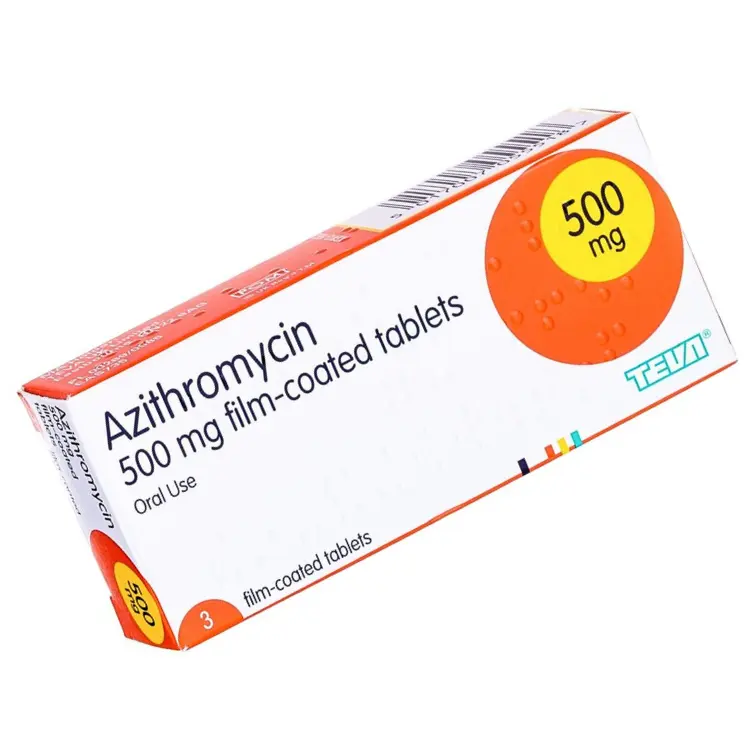
  • Dosage: Tablets: 250 mg, 500 mg, 600 mg. Z-Pak (Blister Pack): 6 tablets of 250 mg (Total 1.5g). Tri-Pak: 3 tablets of 500 mg. Powder for Suspension: 100 mg/5 mL, 200 mg/5 mL. Single Dose Packet: 1 gram (1000 mg).
  • Indications: Treatment of acute bacterial sinusitis, community-acquired pneumonia, pharyngitis/tonsillitis, uncomplicated skin infections, and urethritis/cervicitis due to Chlamydia trachomatis.
  • Manufacturer: Pfizer (Zithromax brand) / Various Generics
  • Storage: Tablets/Packets: Store at 20°C to 25°C (68°F to 77°F). Suspension: Can be stored at room temperature (up to 30°C) or in refrigerator. Discard after 10 days.
  • Drug Status: Prescription Only

What is Azithromycin?

Azithromycin is a prescription antibiotic belonging to the macrolide class. It is the active ingredient in the brand-name medication Zithromax and its generic equivalents. The medication works by inhibiting bacterial protein synthesis, thereby stopping the growth of susceptible bacteria.

Azithromycin is distinguished by its pharmacokinetic profile, which allows it to achieve high concentrations in infected tissues and remain active for several days after the last dose. This property enables shorter treatment courses, typically 3 to 5 days, compared to many other antibiotics.

It is important to understand that azithromycin, like all antibiotics, is only effective against bacterial infections and has no activity against viral illnesses such as the common cold or influenza.

How to Take Azithromycin

Follow your healthcare provider’s instructions precisely. The dosing schedule varies significantly depending on the type of infection being treated.

Administration

Azithromycin tablets should be swallowed whole with a full glass of water. It can be taken with or without food. However, if stomach upset occurs, taking it with food may help. Do not crush or chew the tablets.

For the oral suspension, shake the bottle well before each use. Measure the dose carefully using the provided measuring device (spoon or syringe), not a household spoon.

Timing and Missed Doses

Take doses at evenly spaced intervals as prescribed, typically once daily. If you miss a dose, take it as soon as you remember. If it is almost time for your next dose, skip the missed dose and continue with your regular schedule. Do not double the dose to make up for a missed one.

Course Completion

It is critical to complete the entire prescribed course of azithromycin, even if you start to feel better after a few days. Stopping the medication early can lead to a resurgence of the infection and contribute to antibiotic resistance.

Side Effects of Azithromycin

As with any medication, azithromycin can cause side effects. Gastrointestinal symptoms are among the most common, which can include diarrhea.

Common and Serious Side Effects of Azithromycin
FrequencySide EffectsAction to Take
Common
  • Diarrhea, nausea, stomach pain, vomiting
  • Headache
  • Changes in taste
These are often mild and temporary. Staying hydrated and taking with food can help manage stomach upset. Report persistent symptoms to your doctor.
Serious (Seek Medical Help)
  • Severe diarrhea (watery or bloody), which may indicate C. difficile infection
  • Liver problems: yellowing skin/eyes (jaundice), dark urine, severe fatigue
  • Irregular heartbeat, palpitations, fainting, dizziness (signs of QT prolongation)
  • Allergic reaction: hives, difficulty breathing, swelling of the face/lips/tongue/throat
  • Severe skin reaction: rash with blistering or peeling
Stop taking azithromycin and contact your doctor or seek emergency care immediately. For cardiac symptoms, this is a critical warning.

What is Azithromycin Used For?

Azithromycin is prescribed for a variety of bacterial infections caused by susceptible organisms.

Respiratory Tract Infections

It is commonly used for bacterial respiratory tract infections such as acute bacterial exacerbations of chronic bronchitis, community-acquired pneumonia (often caused by Streptococcus pneumoniae), and acute bacterial sinusitis. For pneumonia, it is a standard treatment option for pneumococcal disease.

Skin and Soft Tissue Infections

Azithromycin is effective for uncomplicated skin infections like cellulitis and erysipelas.

Sexually Transmitted Infections (STIs)

A single 1-gram dose is the first-line treatment for uncomplicated chlamydia infections. It is also used for non-gonococcal urethritis and cervicitis.

Other Infections

It may be prescribed for otitis media (middle ear infection) in children and, in specific cases, for certain gastrointestinal infections.

Important Limitations

Azithromycin is not effective against viral infections. Its use for viral upper respiratory infections, including COVID-19, is not recommended unless a secondary bacterial infection is present and diagnosed by a physician.

Interactions Alcohol:

Use with caution
While a direct interaction is not prominent, alcohol can increase the risk of gastrointestinal side effects like nausea and stomach upset. It may also place additional stress on the liver. It is generally advisable to avoid or limit alcohol during treatment.

Interactions Other Medications:

Consult your doctor
Azithromycin interacts with several important drugs. It should not be taken with other medications that prolong the QT interval (e.g., certain antiarrhythmics, antipsychotics). It can increase levels of drugs like warfarin (increasing bleeding risk) and certain statins (increasing muscle damage risk). A comprehensive medication review with your doctor is essential.

Special Groups Pregnancy:

Safe if prescribed
Azithromycin is generally considered a safer antibiotic option during pregnancy when treatment is clearly needed. It is often used for certain infections in pregnant women. For general guidance, refer to our resource on medication safety in pregnancy.

Special Groups Breastfeeding:

Use with caution
Azithromycin passes into breast milk in low concentrations. While it is often considered compatible with breastfeeding, there is a potential for it to affect the infant's gut flora. Monitor the infant for side effects like diarrhea or rash and consult with a pediatrician.

Special Groups Elderly:

Use with caution
Elderly patients may be more susceptible to side effects, particularly hearing loss and QT interval prolongation. They may also require monitoring if they have age-related decline in kidney function.

Special Groups Children:

Safe if prescribed
Azithromycin is approved for pediatric use, often in a liquid suspension form. Dosing is based on the child's weight and the specific infection. It is a commonly prescribed antibiotic for conditions like ear infections. For more on children's medicines, see this guide.

Effects on Activities Driving:

Use with caution
Azithromycin can cause dizziness in some individuals. Do not drive or operate vehicles until you are certain the medication does not impair your alertness or coordination.

Effects on Activities Operating Machinery:

Use with caution
The same caution applies to operating machinery. Refrain from activities that require full concentration if you experience dizziness.

Important Safety Concerns and Considerations

Cardiac Risk: QT Prolongation

Azithromycin can cause a change in the heart’s electrical activity known as QT interval prolongation, which may lead to a potentially fatal irregular heartbeat (torsades de pointes). The U.S. FDA has issued warnings about this risk. It is highest in patients with:

  • Pre-existing heart disease (e.g., heart failure, arrhythmia).
  • Low blood levels of potassium or magnesium.
  • History of long QT syndrome or ventricular arrhythmia.
  • Concurrent use of other drugs known to prolong the QT interval.

Patients should report any symptoms of palpitations, dizziness, or fainting immediately.

Exacerbation of Myasthenia Gravis

Azithromycin can worsen muscle weakness in patients with the neurological disorder myasthenia gravis, potentially leading to life-threatening respiratory failure. It is generally avoided in this population.

Clostridioides difficile-Associated Diarrhea (CDAD)

Antibiotic use, including azithromycin, can disrupt the normal bacteria in the colon, allowing overgrowth of C. difficile. This can cause mild diarrhea to severe, life-threatening colitis. CDAD can occur even weeks after finishing antibiotics. Report severe, persistent, or bloody diarrhea to your doctor.

Hepatotoxicity (Liver Injury)

Although rare, azithromycin can cause serious liver injury, including hepatitis and cholestatic jaundice. Symptoms include fatigue, abdominal pain, jaundice (yellowing of skin and eyes), and dark urine. The drug should be discontinued if signs of liver dysfunction appear.

Hearing Impairment

Cases of reversible hearing loss, tinnitus (ringing in the ears), and deafness have been reported, usually with high doses or prolonged use.

Critical Warnings for Azithromycin Use

Cardiovascular Death Risk

In addition to the QT prolongation risk, studies have shown a small but significant increase in the risk of cardiovascular death, particularly in patients with existing heart disease, compared to other antibiotics like amoxicillin. This risk must be carefully weighed against the benefits, especially for those with known cardiovascular risk factors.

Severe Skin Reactions

Rare but severe skin reactions, including Stevens-Johnson Syndrome and toxic epidermal necrolysis, have been reported with azithromycin use. These reactions can be life-threatening. Discontinue use at the first sign of a rash, skin peeling, blistering, or sores in the mouth.

Drug Interactions with Antacids

Antacids containing aluminum or magnesium (e.g., Maalox, Mylanta) can reduce the absorption of azithromycin if taken simultaneously. To avoid this interaction, take azithromycin at least 1 hour before or 2 hours after taking an antacid.

Use in Bacterial Infections Only

Azithromycin is not indicated for and will not work against viral infections. Prescribing it for viral upper respiratory tract infections increases the risk of adverse effects and fosters bacterial antibiotic resistance.

Azithromycin Dosage Information

Dosage is determined by the treating physician based on the type and severity of infection, patient weight, and renal function. The following table provides general guidelines; always follow your doctor’s specific prescription.

General Azithromycin Dosage Guidelines
ConditionStandard Adult DosageTypical Duration & Notes
Most Respiratory/Skin Infections
(e.g., bronchitis, sinusitis, cellulitis)
500 mg as a single dose on day 1, followed by 250 mg once daily on days 2–5.5 days total (often called a “Z-Pak“). Total cumulative dose: 1.5 grams.
Community-Acquired Pneumonia500 mg as a single dose on day 1, followed by 250 mg once daily on days 2–5.5 days total. For more severe cases, IV therapy may be initiated.
Uncomplicated Chlamydia1,000 mg (e.g., two azithromycin 500 mg tablets) as a single, one-time dose.Single dose only. This is a different regimen than the 5-day “Z-Pak.” Follow-up testing may be recommended.
Acute Otitis Media (Children)10 mg/kg on day 1, then 5 mg/kg on days 2–5.
Maximum single dose: 500 mg.
5 days total. Dosing is based on weight, not age.

Important Administration Notes

  • Renal Impairment: No dosage adjustment is typically needed for patients with mild to moderate renal impairment. Use with caution in severe renal impairment.
  • Hepatic Impairment: No dosage adjustment is provided for patients with mild to moderate liver impairment. Use with caution in severe hepatic disease.
  • Elderly: No routine dosage adjustment, but consider potential for increased side effects and concurrent conditions.

Drug Interactions with Azithromycin

Azithromycin interacts with several important medications. Inform your doctor about all prescription, over-the-counter, and herbal products you use.

Significant Drug Interactions with Azithromycin
Interacting Substance ClassExamplesEffect and Recommendation
Drugs that Prolong QT IntervalAmiodarone, procainamide, sotalol, certain antipsychotics (e.g., thioridazine), fluoroquinolone antibiotics (e.g., moxifloxacin).Additive effect on QT prolongation, significantly increasing the risk of life-threatening cardiac arrhythmia (torsades de pointes). This is a critical safety concern. Use together is generally avoided.
Warfarin (blood thinner)Coumadin, JantovenAzithromycin may potentiate the anticoagulant effect of warfarin, increasing the risk of bleeding and bruising. Close monitoring of prothrombin time (INR) is essential.
Statins metabolized by CYP3A4Simvastatin, lovastatin, atorvastatinAzithromycin can inhibit the breakdown of these statins, potentially leading to higher blood levels and an increased risk of myopathy (muscle pain) and rhabdomyolysis (severe muscle breakdown).
Antacids containing aluminum/magnesiumMaalox, Mylanta, GavisconReduces the absorption of azithromycin, potentially making it less effective. Take azithromycin at least 1 hour before or 2 hours after these products.
Digoxin (heart medication)LanoxinAzithromycin may increase the absorption of digoxin, potentially leading to toxic levels and side effects. Monitor digoxin levels closely if used together.

FAQs

A Z-Pak is a common branded packaging for azithromycin that contains six tablets: two 250 mg tablets for day one and four 250 mg tablets for days two through five (one per day). It provides a convenient, complete course for a standard 5-day treatment of infections like bronchitis or pneumonia. This is different from the single-dose regimen used for chlamydia.
Yes, a single 1-gram dose (e.g., two 500 mg tablets) is the standard, recommended first-line treatment for uncomplicated chlamydial infections. Its effectiveness is due to azithromycin's unique pharmacokinetics, which allow it to concentrate in infected cells and remain active at the site of infection for several days after the dose. It is crucial not to confuse this with the 5-day Z-Pak regimen.
Azithromycin has a very long half-life—meaning it stays active in the body's tissues for an extended period (up to 68 hours). A 5-day course builds up and maintains effective antibiotic levels for about 10 days total, allowing for a shorter, more convenient dosing schedule that improves patient adherence.
Taking probiotics during and after a course of antibiotics may help restore the balance of beneficial bacteria in the gut and potentially reduce the risk of antibiotic-associated diarrhea. It is generally recommended to take probiotics a few hours apart from your antibiotic dose. For specific product guidance, consult your doctor or pharmacist.
Azithromycin is in a completely different antibiotic class (macrolide) than penicillin. There is no cross-reactivity between these classes, making azithromycin a safe and commonly prescribed alternative for patients with a confirmed penicillin allergy.

Additional Information

Storage and Handling

Store azithromycin tablets at room temperature (between 15°C and 30°C or 59°F and 86°F), in a tightly closed container, away from light, excess heat, and moisture. Keep the oral suspension in the refrigerator after mixing and discard any unused portion after the time specified by your pharmacist (usually 10 days). Keep all medications out of the reach of children and pets.

Historical Fact

Azithromycin was discovered in 1980 by researchers at the pharmaceutical company Pliva in Croatia. It was specifically engineered from erythromycin to improve its acid stability, broaden its spectrum of activity, and, most notably, to achieve a much longer half-life. These improvements were revolutionary, as they allowed for the short-course therapy (often just 3-5 days) that made it one of the world’s most prescribed antibiotics after its global launch.

Reporting Side Effects

You are encouraged to report negative side effects of prescription drugs to the relevant national health authority (e.g., the FDA in the United States). Reporting helps health authorities monitor drug safety and identify new risks.

References and Medical Sources

The information on this page is compiled from reputable medical sources and prescribing information.

  1. U.S. Food and Drug Administration (FDA). Zithromax (azithromycin) Prescribing Information. [Updated 2022]. https://www.accessdata.fda.gov/drugsatfda_docs/label/2021/050670s036,050710s051,050711s050,050784s037lbl.pdf
  2. MedlinePlus. Azithromycin. U.S. National Library of Medicine; [Updated 2024]. https://medlineplus.gov/druginfo/meds/a697037.html
  3. Centers for Disease Control and Prevention (CDC). Sexually Transmitted Infections Treatment Guidelines, 2021. [Updated 2021]. https://www.cdc.gov/std/treatment-guidelines/default.htm
  4. Drugs.com. Azithromycin Professional Monograph. Drugs.com; [Updated 2024]. https://www.drugs.com/monograph/azithromycin.html

Disclaimer: The information on this site is provided for informational purposes only and is not medical advice. It does not replace professional medical consultation, diagnosis, or treatment. Do not self-medicate based on the information presented on this site. Always consult with a doctor or other qualified healthcare professional before making any decisions about your health.

You must login to add a comment.

Popular Questions

Top Members

Join the discussion

Comments are published after moderation. User opinions do not constitute medical advice.

We sincerely appreciate you taking the time to share your feedback. Every user's perspective is valuable to us.

Ask to get answers.