
iMedix Medical Content Engine 3.13.37

Hello,

Sign up to join our community!

Welcome Back,

Please sign in to your account!

Forgot Password,

Lost your password? Please enter your email address. You will receive a link and will create a new password via email.

Sorry, you do not have permission to ask a question, You must login to ask a question.

Celebrex: Uses, dosage, side effects, warnings & patient reviews

Celebrex

Celebrex

Celebrex

Celecoxib
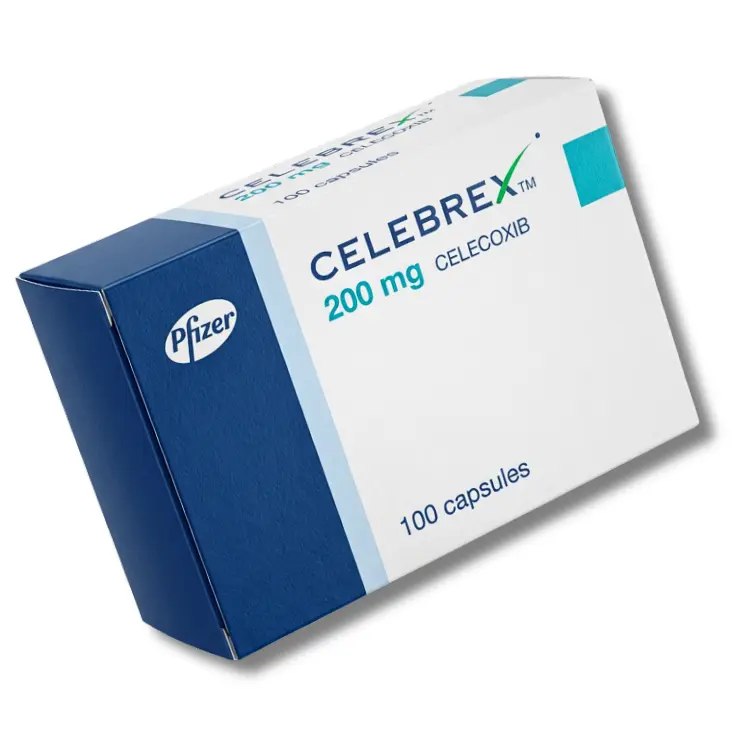
Celebrex (celecoxib) is a prescription nonsteroidal anti-inflammatory drug (NSAID) classified as a cyclooxygenase-2 (COX-2) inhibitor. It is indicated for the management of pain and inflammation in conditions such as osteoarthritis and rheumatoid arthritis.
  • ActiveIngredient: Celecoxib
  • DosageForm: Oral capsules
  • Dosage: 50 mg, 100 mg, 200 mg, 400 mg.
  • Indications: Osteoarthritis (OA); Rheumatoid Arthritis (RA); Juvenile Rheumatoid Arthritis (JRA) in patients 2 years and older; Ankylosing Spondylitis (AS); Acute Pain in adults; Primary Dysmenorrhea.
  • Manufacturer: Pfizer Inc. (Brand); generic manufacturers include Teva Pharmaceuticals, Viatris (Mylan), and Hikma Pharmaceuticals.
  • Storage: Store at room temperature 20°C–25°C (68°F–77°F); protect from moisture and light.
  • Drug Status: Prescription Only

What is Celebrex (Celecoxib)?

Celebrex is the brand name for the medication celecoxib. It is a prescription nonsteroidal anti-inflammatory drug (NSAID) belonging to the selective cyclooxygenase-2 (COX-2) inhibitor class.

Unlike traditional NSAIDs that inhibit both COX-1 and COX-2 enzymes, celecoxib works primarily by selectively inhibiting the COX-2 enzyme. This enzyme is involved in the production of prostaglandins that mediate pain, inflammation, and fever. This selective mechanism of action is associated with a lower risk of certain gastrointestinal side effects compared to non-selective NSAIDs, though serious risks remain.

This medication is commonly prescribed as part of the long-term management of various arthritic conditions and other inflammatory disorders.

How to Take Celebrex

Always take Celebrex exactly as prescribed by your healthcare provider. The lowest effective dose for the shortest duration consistent with individual treatment goals should be used.

Administration

Celebrex capsules should be swallowed whole with a full glass of water. It may be taken with or without food. Taking it with food or milk may help minimize stomach upset. However, taking it with a high-fat meal can delay the absorption of the drug.

Dosage Considerations

The prescribed celebrex dosage varies significantly based on the condition being treated. It is critical not to exceed the maximum daily dose recommended by your doctor. Self-adjusting the dose or frequency can increase the risk of serious side effects without improving efficacy.

Duration of Use

For chronic conditions like arthritis, Celebrex may be used on a long-term basis under ongoing medical supervision. For acute pain, it should be used for the shortest period necessary. Patients should have regular follow-up appointments to assess the continued need and safety of therapy.

Missed Dose

If you miss a dose, take it as soon as you remember. If it is almost time for your next scheduled dose, skip the missed dose and resume your regular dosing schedule. Do not take a double dose to make up for a missed one.

Side Effects of Celebrex

Celebrex, like all NSAIDs, can cause side effects ranging from mild to severe. The following table categorizes potential adverse reactions.

Reported Side Effects of Celebrex (Celecoxib)
Frequency CategoryPossible Effects
Common
  • Diarrhea
  • Abdominal pain
  • Dyspepsia (indigestion)
  • Flatulence
  • Peripheral edema (swelling of hands/ankles)
  • Dizziness
  • Insomnia
Serious (Require Immediate Medical Attention)
  • Gastrointestinal: Ulceration, bleeding, perforation of the stomach or intestines (symptoms: black/tarry stools, vomiting blood, severe stomach pain).
  • Cardiovascular: Heart attack, stroke, heart failure (symptoms: chest pain, shortness of breath, weakness in one part of the body, slurred speech).
  • Renal: New or worsened high blood pressure, kidney failure (symptoms: change in urine amount, swelling, fatigue).
  • Allergic: Severe skin reactions (e.g., Stevens-Johnson syndrome), anaphylaxis (symptoms: skin rash, swelling of face/throat, difficulty breathing).
  • Hepatic: Liver problems (symptoms: nausea, fatigue, jaundice, dark urine).

What is Celebrex Used For?

Celebrex is FDA-approved for the relief of symptoms associated with several specific inflammatory and painful conditions.

Primary FDA-Approved Uses

  • Osteoarthritis (OA): Celebrex is indicated for the relief of the signs and symptoms of osteoarthritis.
  • Rheumatoid Arthritis (RA): It is indicated for the relief of the signs and symptoms of rheumatoid arthritis in adults.
  • Ankylosing Spondylitis: This medication is used to reduce the signs and symptoms of ankylosing spondylitis.
  • Acute Pain: Celebrex is indicated for the management of acute pain in adults, such as that from musculoskeletal injuries.
  • Primary Dysmenorrhea: It is used for the treatment of primary dysmenorrhea (menstrual cramps). For related information, see premenstrual syndrome.

Important Limitations

Celebrex is a symptomatic treatment and does not alter the progression of underlying diseases like osteoarthritis or rheumatoid arthritis. It should be part of a comprehensive treatment plan that may include non-pharmacologic therapies.

Interactions Alcohol:

Use with caution
Concurrent use of alcohol and Celebrex may increase the risk of gastrointestinal complications, such as ulceration or bleeding. Alcohol can also exacerbate the potential for gastroesophageal reflux and liver toxicity. Patients are generally advised to limit or avoid alcohol consumption while on NSAID therapy.

Interactions Other Medications:

Consult your doctor
Celebrex interacts with numerous medications. Critical interactions include:
  • Other NSAIDs/Aspirin: Concurrent use with other NSAIDs, including over-the-counter aspirin or ibuprofen, significantly increases GI and renal risks without added benefit. For more on safe NSAID use, see this guide.
  • Anticoagulants (e.g., warfarin): May increase the risk of bleeding.
  • ACE Inhibitors/ARBs/Diuretics: Celebrex may reduce the antihypertensive effect of these drugs and diminish the natriuretic effect of diuretics like furosemide (Lasix), potentially worsening heart failure.
  • Lithium or Methotrexate: Celebrex can increase plasma levels of these drugs, potentially leading to toxicity.
A comprehensive review of all medications and supplements with a healthcare provider is mandatory.

Special Groups Pregnancy:

Consult your doctor
Use of NSAIDs, including Celebrex, during the third trimester of pregnancy is contraindicated due to risks of premature closure of the fetal ductus arteriosus and delayed labor. Use during earlier pregnancy should be based on a rigorous risk-benefit assessment.

Special Groups Breastfeeding:

Consult your doctor
Limited data suggest celecoxib is present in human milk. A risk to the breastfed infant cannot be ruled out. The decision to use should consider the importance of the drug to the mother.

Special Groups Elderly:

Use with caution
Elderly patients are at increased risk for NSAID-induced serious gastrointestinal, cardiovascular, and renal adverse events. The lowest effective dose should be used, and they require closer monitoring.

Special Groups Children:

Consult your doctor
Celebrex is not indicated for use in children under 18 years of age, except under specific circumstances for Juvenile Rheumatoid Arthritis as determined by a pediatric specialist.

Effects on Activities Driving:

Use with caution
Celebrex may cause dizziness, vertigo, or somnolence. Patients should not drive or operate machinery until they know how the medication affects them.

Effects on Activities Operating Machinery:

Use with caution
As with driving, caution is advised when engaging in activities requiring mental alertness and motor coordination due to potential neurologic side effects.

Important Safety Concerns and Considerations

Black Box Warning: Cardiovascular and Gastrointestinal Risk

Celebrex carries a U.S. FDA Black Box Warning, its strongest safety alert, regarding serious risks.

  • Cardiovascular Thrombotic Events: NSAIDs, including celecoxib, increase the risk of serious and sometimes fatal cardiovascular thrombotic events, such as myocardial infarction (heart attack) and stroke. This risk may occur early in treatment and may increase with duration of use. Patients with pre-existing heart disease or risk factors for cerebrovascular disease are at greater risk.
  • Gastrointestinal Bleeding, Ulceration, and Perforation: NSAIDs cause an increased risk of serious GI adverse events, including bleeding, ulceration, and perforation of the stomach or intestines, which can be fatal. These events can occur at any time during use and without warning symptoms. Elderly patients and those on concomitant anticoagulants are at higher risk.

Hypertension and Fluid Retention

Celebrex can lead to new-onset hypertension or worsening of pre-existing hypertension, and promote fluid retention and edema. Blood pressure should be monitored closely during treatment.

Renal Toxicity

Long-term administration of NSAIDs can result in renal papillary necrosis and other renal injury. Use is not recommended in patients with advanced renal disease. Renal function should be monitored in those with pre-existing reduced renal function, heart failure, or liver dysfunction.

Sulfonamide Allergy

Celebrex contains a sulfonamide moiety. It is contraindicated in patients who have demonstrated allergic-type reactions (e.g., anaphylaxis, severe rash) to sulfonamides, such as the antibiotic Bactrim (trimethoprim/sulfamethoxazole).

Contraindication in CABG Surgery

Celebrex is contraindicated for the treatment of peri-operative pain in the setting of coronary artery bypass graft (CABG) surgery due to an increased risk of myocardial infarction and stroke.

Critical Warnings for Celebrex Use

Hepatic Effects

Elevations of liver enzymes and, in rare cases, severe hepatic reactions, including fulminant hepatitis, liver necrosis, and hepatic failure, have been reported with NSAID use. Discontinue Celebrex immediately if signs or symptoms of liver disease develop or if systemic manifestations occur (e.g., eosinophilia, rash).

Anaphylactoid Reactions

Serious, potentially fatal anaphylactoid reactions may occur in patients without prior exposure to celecoxib. Celebrex should not be given to patients with the “aspirin triad” (aspirin-exacerbated respiratory disease) – a history of asthma, rhinitis, and nasal polyps – as severe bronchospasm may occur.

Hematologic Effects

Celebrex does not inhibit platelet aggregation. However, anemia can occur due to GI bleeding, fluid retention, or an described effect on erythropoiesis. Patients on long-term therapy should have their hemoglobin or hematocrit checked if they exhibit signs or symptoms of anemia.

Masking of Inflammation and Fever

The anti-inflammatory and antipyretic properties of Celebrex may reduce inflammation and fever, thereby diminishing their utility as diagnostic signs in detecting infectious or other underlying conditions.

Celebrex Dosage Information

Dosage must be individualized. The following table outlines the standard dosing for approved indications. The maximum recommended daily dose is 400 mg.

Standard Celebrex (Celecoxib) Dosing for Adults
IndicationRecommended Dosage
Osteoarthritis200 mg once daily or 100 mg twice daily.
Rheumatoid Arthritis100 mg to 200 mg twice daily.
Ankylosing Spondylitis200 mg once daily or 100 mg twice daily. If no effect after 6 weeks, a trial of 400 mg daily may be considered.
Acute Pain / Primary DysmenorrheaInitial dose: 400 mg, followed by an additional 200 mg if needed on the first day.
Maintenance: 200 mg twice daily as needed.

Special Dosing Considerations

  • Hepatic Impairment: A dose reduction of approximately 50% is recommended in patients with moderate hepatic impairment (Child-Pugh Class B). Celebrex is not recommended in patients with severe hepatic impairment.
  • Poor CYP2C9 Metabolizers: Patients who are known or suspected to be poor CYP2C9 metabolizers should be initiated at half the lowest recommended dose.
  • Elderly: No routine dosage adjustment is necessary, but therapy should be initiated at the low end of the dosing range due to potential increased sensitivity.
  • Concomitant Use with CYP2C9 Inhibitors: Fluconazole: Administer Celebrex at the lowest recommended dose when used concurrently.

Drug Interactions with Celebrex

Celebrex is metabolized primarily by the cytochrome P450 2C9 (CYP2C9) enzyme system. Interactions can alter its efficacy and safety profile.

Selected Clinically Significant Drug Interactions
Interacting Drug Class/AgentEffect of Interaction
Anticoagulants (Warfarin)Celebrex may enhance the anticoagulant effect, increasing the risk of bleeding. Monitor prothrombin time (INR) closely.
ACE Inhibitors, ARBs, Beta-BlockersCelebrex may diminish the antihypertensive effect of these agents. Monitor blood pressure.
Diuretics (e.g., Furosemide, Thiazides)NSAIDs may reduce the natriuretic and antihypertensive effect of diuretics. Risk of renal impairment may be increased.
LithiumCelebrex can decrease lithium clearance, leading to increased lithium plasma levels and potential toxicity. Monitor lithium levels.
MethotrexateNSAIDs may decrease methotrexate clearance, potentially increasing methotrexate toxicity. Use with caution, especially with high-dose methotrexate.
CYP2C9 Inhibitors (e.g., Fluconazole)Increase celecoxib plasma concentrations. Consider dose reduction of Celebrex.
Other NSAIDs, including AspirinConcomitant use increases the risk of GI toxicity without expected therapeutic benefit. Not recommended.

FAQs

Celebrex, as a selective COX-2 inhibitor, is associated with a lower incidence of certain upper gastrointestinal complications (such as endoscopic ulcers) compared to traditional non-selective NSAIDs like diclofenac or ibuprofen. However, it still carries a Black Box Warning for serious GI events, including bleeding and perforation. No NSAID is completely safe for the stomach, especially with long-term use or in high-risk patients.
Celebrex is not contraindicated in all patients with heart disease, but its use requires extreme caution. It increases the risk of heart attack and stroke and can worsen hypertension and heart failure. A thorough cardiovascular risk assessment by your doctor is essential before starting Celebrex, and blood pressure must be monitored regularly during therapy. It should be used at the lowest effective dose for the shortest possible duration in such patients.
For pain relief, some effects may be noticed within a few hours. However, for the full anti-inflammatory effect in chronic conditions like rheumatoid arthritis or ankylosing spondylitis, it may take several days to weeks of regular dosing as prescribed. It is important to continue taking it as directed and follow up with your doctor to assess response.
There is no clinical difference in safety or efficacy. Celebrex is the original brand-name product. Generic celecoxib contains the same active ingredient in the same strength and must meet the same FDA standards for bioequivalence. The celebrex generic version is typically more affordable.
Celebrex does not typically cause physical dependence or a withdrawal syndrome. However, stopping it suddenly may lead to a return of the pain and inflammation it was controlling. You should discuss any plan to discontinue the medication with your healthcare provider, who can advise on the appropriate course of action.

Additional Information

Storage and Handling

Store Celebrex capsules at room temperature between 20°C to 25°C (68°F to 77°F), in a tightly closed container, and away from light, excess heat, and moisture. Keep all medications out of the reach of children and pets.

Cost and Availability

Celebrex (celecoxib) is available by prescription only. It is manufactured in capsule form, commonly as Celebrex 100 mg and Celebrex 200 mg strengths. Both the brand-name product and generic celecoxib are widely available. Costs vary by pharmacy and insurance coverage; generic celecoxib is generally less expensive.

Reporting Side Effects

Patients and healthcare providers are encouraged to report negative side effects of prescription drugs to the relevant national regulatory authority (e.g., the FDA in the United States). Reporting helps gather more information on the safety profile of medications.

References and Medical Sources

  1. U.S. Food and Drug Administration (FDA). Celebrex (celecoxib) Prescribing Information. [Revised 2022]. https://www.accessdata.fda.gov/drugsatfda_docs/label/2018/020998s050lbl.pdf
  2. MedlinePlus. Celecoxib. U.S. National Library of Medicine; [Updated 2022]. https://medlineplus.gov/druginfo/meds/a699022.html
  3. American College of Rheumatology. Guidelines for the Management of Osteoarthritis, Rheumatoid Arthritis, and Other Conditions.
  4. Drugs.com. Celecoxib Professional Monograph. Drugs.com; [Updated 2024]. https://www.drugs.com/monograph/celecoxib.html

Disclaimer: The information on this site is provided for informational purposes only and is not medical advice. It does not replace professional medical consultation, diagnosis, or treatment. Do not self-medicate based on the information presented on this site. Always consult with a doctor or other qualified healthcare professional before making any decisions about your health.

2 User Reviews

1 Other Review

  1. The drug is really efficient, I’ve been using it for a year already for my rheumatoid arthritis.

You must login to add a comment.

Popular Questions

Top Members

Join the discussion

Comments are published after moderation. User opinions do not constitute medical advice.

We sincerely appreciate you taking the time to share your feedback. Every user's perspective is valuable to us.

Ask to get answers.