
Hello,

Sign up to join our community!

Welcome Back,

Please sign in to your account!

Forgot Password,

Lost your password? Please enter your email address. You will receive a link and will create a new password via email.

Sorry, you do not have permission to ask a question, You must login to ask a question.

Fosfomycin: Uses, dosage, side effects, warnings & patient reviews

Fosfomycin

Fosfomycin
0

The iMedixStars rating goes beyond a simple average of reviews. It’s calculated based on various factors, including the quantity, recency, and reliability of the reviews. Read More

  • 0 reviews

Fosfomycin

0

The iMedixStars rating goes beyond a simple average of reviews. It’s calculated based on various factors, including the quantity, recency, and reliability of the reviews. Read More

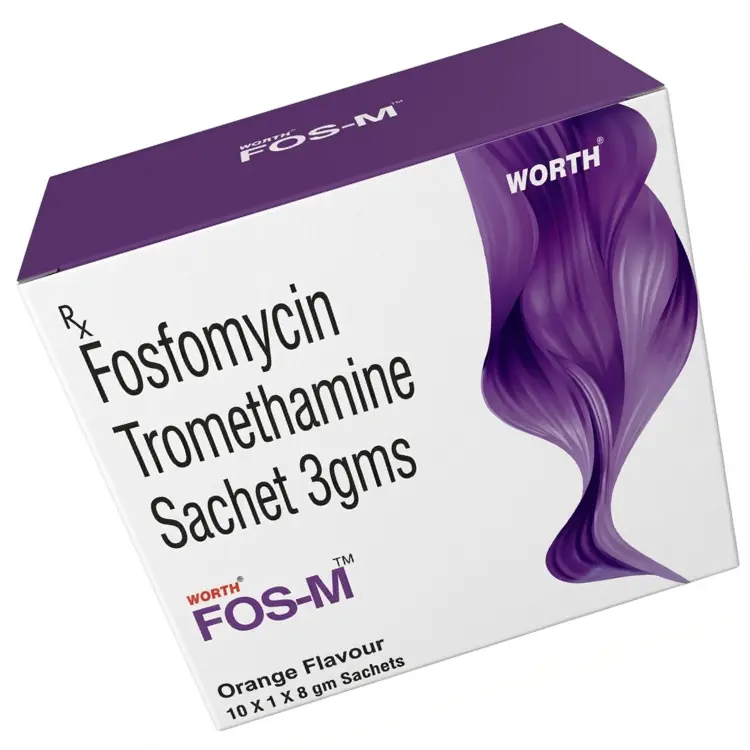
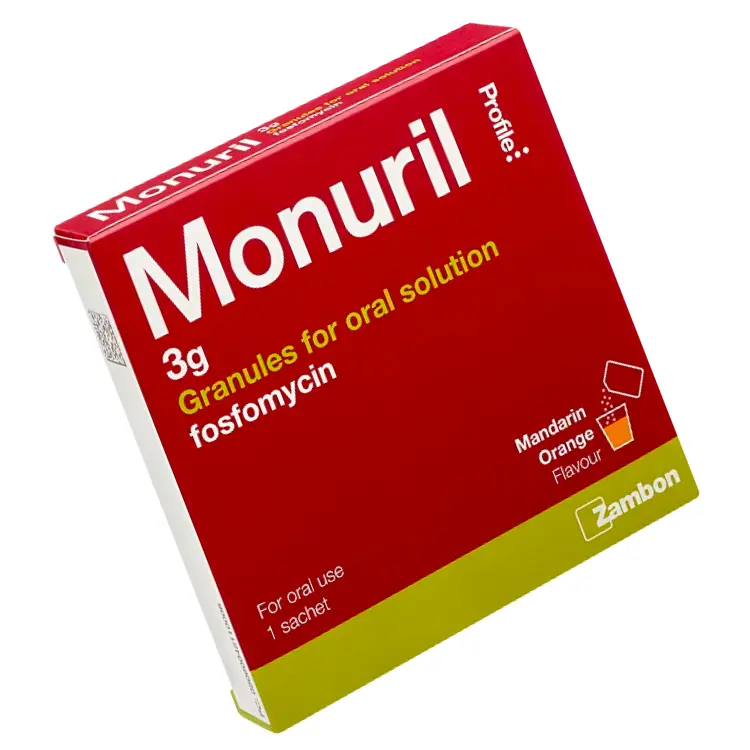
Fosfomycin is a prescription antibiotic used primarily to treat uncomplicated urinary tract infections (UTIs), such as cystitis. Its unique feature is a single-dose regimen, where one packet of fosfomycin tromethamine powder is dissolved in water and taken orally.
  • ActiveIngredient: Fosfomycin Tromethamine
  • DosageForm: Granules for Oral Solution (Sachet)
  • Dosage: Sachet: 3 grams (3000 mg) single dose.
  • Indications: Treatment of uncomplicated urinary tract infections (acute cystitis) in women due to susceptible strains of Escherichia coli and Enterococcus faecalis.
  • Manufacturer: Zambon (Creator of Monurol) / Various Generics
  • Storage: Store at 25°C (77°F); excursions permitted to 15-30°C (59-86°F).
  • Drug Status: Prescription Only

What is Fosfomycin?

Fosfomycin tromethamine is a broad-spectrum, bactericidal antibiotic. It works by inhibiting the very first step in bacterial cell wall synthesis, which makes it distinct from other common antibiotic classes. This mechanism often allows it to remain effective against bacteria that have become resistant to other antibiotics.

It is important to note that fosfomycin is specifically formulated and dosed for treating urinary tract infections of the lower tract. Its most notable characteristic is the convenience of a single-dose oral treatment for acute, uncomplicated bladder infections (cystitis) in women. Fosfomycin is not suitable for treating more serious kidney infections (pyelonephritis) or systemic infections.

How to Take Fosfomycin

Correct preparation and administration are crucial for the effectiveness of fosfomycin. It is supplied as a single-dose packet of granule powder for oral solution.

Preparation and Administration

  1. Empty the entire contents of one 3-gram packet into a clean glass containing 90 to 120 mL (approximately ½ cup) of cold or room temperature water. Do not use hot water.
  2. Stir to completely dissolve the granules.
  3. Drink the entire solution immediately after mixing. Do not store the mixture for later use.

To ensure the medication remains in the bladder for an optimal amount of time, it is often recommended to take the dose just before bedtime after emptying your bladder.

Timing and Food

Fosfomycin can be taken with or without food. Taking it on an empty stomach may result in slightly higher levels of the drug in the urine. However, taking it with food can help minimize potential stomach upset.

Course Completion and Expectations

The standard regimen for an uncomplicated UTI is a single, one-time dose. Symptom improvement is typically seen within 2 to 3 days. The antibiotic continues to work in the urinary tract for up to 2-3 days after the single dose. It is critical not to take a second dose unless specifically instructed to do so by your doctor, as this can increase the risk of side effects without improving efficacy.

Side Effects of Fosfomycin

As with all medications, fosfomycin can cause side effects. Most are mild and transient.

Common and Serious Side Effects of Fosfomycin
FrequencySide EffectsAction to Take
Common
  • Diarrhea (common, usually mild; for more information, see acute diarrhea)
  • Nausea
  • Headache
  • Vaginal itching or discharge (yeast infection)
These often resolve on their own. Stay hydrated. Contact your doctor if symptoms are bothersome or persistent.
Serious (Seek Medical Help)
  • Severe or persistent watery or bloody diarrhea (may be a sign of C. difficile infection)
  • Severe skin rash, hives, or itching
  • Swelling of the face, lips, tongue, or throat
  • Difficulty breathing or wheezing
  • Dizziness or severe fatigue
Stop taking the medication and contact your doctor or seek emergency care immediately.

What is Fosfomycin Used For?

Fosfomycin tromethamine is approved for a specific, common condition.

Primary Medical Use

  • Treatment of Uncomplicated Urinary Tract Infections (UTIs): It is indicated as a single-dose oral therapy for uncomplicated acute cystitis (bladder infection) in women due to susceptible strains of Escherichia coli and Enterococcus faecalis.

Important Limitations and Off-Label Uses

  • Not for Kidney Infections: Fosfomycin does not achieve adequate tissue penetration to treat pyelonephritis (kidney infection). It is not a substitute for other antibiotics required for such infections.
  • Not for Prophylaxis: The single-dose packet is for treatment, not for long-term prevention of UTIs.
  • Off-Label Uses: In some complex scenarios, under specialist guidance, fosfomycin may be used intravenously (a different formulation) or in oral regimens for complicated or multi-drug resistant infections, such as certain prosthetic joint infections. This is distinct from the single-dose oral treatment for cystitis.
Interactions Alcohol:

Consult your doctor
There is no known direct interaction between fosfomycin and alcohol. However, alcohol can cause dehydration and may irritate the bladder, potentially worsening UTI symptoms or delaying recovery. It is generally advisable to avoid alcohol when treating an infection.

Interactions Other Medications:

Consult your doctor
Fosfomycin has few significant drug interactions. Inform your doctor about all medications you take, especially metoclopramide, as it may lower fosfomycin levels in the urine and reduce its effectiveness against the UTI.

Special Groups Pregnancy:

Safe if prescribed
Fosfomycin is generally considered a safe option during pregnancy for treating UTIs and asymptomatic bacteriuria when prescribed by a doctor. It is often used because it is effective and considered to have a favorable safety profile. For general guidance, see medication safety in pregnancy.

Special Groups Breastfeeding:

Safe if prescribed
Fosfomycin passes into breast milk in very low amounts. It is generally considered compatible with breastfeeding. Consult your doctor to discuss the benefits and any potential risks.

Special Groups Elderly:

Safe if prescribed
No specific dosage adjustment is usually needed for elderly patients with normal kidney function. However, kidney function often declines with age, so a doctor's assessment is important.

Special Groups Children:

Safe if prescribed
Fosfomycin granules are approved for use in children for certain conditions. The dose is based on body weight. It should only be given to a child under the direction of a doctor.

Effects on Activities Driving:

Safe if prescribed
Fosfomycin is not expected to affect the ability to drive or use machines. However, if you experience dizziness or diarrhea, you should avoid these activities until you feel well.

Effects on Activities Operating Machinery:

Safe if prescribed
The same guidance as for driving applies. No specific impairment is expected from the medication itself.

Important Safety Concerns and Considerations

Limited Spectrum and Resistance

Fosfomycin is highly effective for uncomplicated cystitis caused by common bacteria like E. coli. However, it is not a broad-spectrum “cover-all” antibiotic. Its use should be guided by a doctor’s diagnosis to ensure the infection is likely to be susceptible. Overuse or misuse of any antibiotic, including fosfomycin, can promote bacterial resistance, reducing its future effectiveness. For more on responsible antibiotic use, read our guide: Let’s Have an Honest Talk About Antibiotics.

Not for Severe or Complicated Infections

This single-dose oral formulation is specifically for uncomplicated lower UTIs. It is not appropriate for treating:

  • Pyelonephritis (kidney infection)
  • UTIs with fever or flank pain
  • UTIs in men (which are often considered complicated)
  • UTIs associated with catheters or anatomical abnormalities
  • Infections outside the urinary tract

Renal Impairment

While fosfomycin is often considered safe in mild to moderate kidney disease, its excretion is primarily renal. In patients with severe renal impairment (creatinine clearance less than 10 mL/min), its use may not be appropriate, and a doctor will need to evaluate the risks and benefits.

Critical Warnings for Fosfomycin Use

Diarrhea and C. difficile-Associated Diarrhea (CDAD)

Antibiotics, including fosfomycin, can disrupt the normal bacteria in the colon, potentially allowing overgrowth of Clostridioides difficile. This can cause mild diarrhea or progress to severe, life-threatening colitis. CDAD can occur even weeks after finishing an antibiotic. Report severe, persistent, or bloody diarrhea to your doctor immediately.

Hypersensitivity Reactions

Serious, though rare, allergic reactions to fosfomycin can occur. Symptoms include rash, hives, swelling (especially of the face/tongue/throat), severe dizziness, and trouble breathing. Discontinue use and seek immediate medical attention if these occur.

Antibiotic Resistance

To preserve the effectiveness of fosfomycin and other antibiotics, it is critical that they are used only when necessary and as prescribed. Do not pressure your doctor for an antibiotic if you have a viral infection (like a cold), and never share your prescription with others.

Fosfomycin Dosage Information

The following information represents the standard adult dosage for its primary indication. Always follow your doctor’s specific prescription.

Standard Fosfomycin Dosage for Uncomplicated Cystitis
ConditionStandard DosageForm & Administration
Uncomplicated Urinary Tract Infection (Acute Cystitis) in Women3 grams (one single-dose packet)Oral granules for solution. Dissolve the entire contents of one packet in 90-120 mL of cold water and drink immediately. This is typically a one-time dose.

Important Administration Notes

  • Single Dose: The standard treatment for uncomplicated cystitis is one packet. Do not repeat the dose unless instructed by your doctor.
  • Renal Impairment: No specific dosage adjustment is recommended for mild to moderate impairment. Use in severe renal impairment is not recommended.
  • Missed Dose: This is a single-dose therapy, so the concept of a “missed dose” does not apply. If you forget to take it, take it as soon as you remember the same day. If it is the next day, contact your doctor for advice.

Drug Interactions with Fosfomycin

Fosfomycin has few clinically significant drug interactions, but it is essential to inform your doctor about all medications you are taking.

Known Drug Interactions with Fosfomycin
Interacting SubstanceEffect of InteractionRecommendation
MetoclopramideThis anti-nausea drug may accelerate gastrointestinal motility and reduce the absorption of fosfomycin, potentially lowering its concentration in the urine and reducing effectiveness.Avoid concomitant use if possible. If both are necessary, your doctor may recommend an alternative to metoclopramide or monitor for treatment failure.

No other major interactions with common medications (like birth control pills, blood thinners, etc.) have been established. However, always provide a complete medication list to your healthcare provider.

FAQs

No, do not take a second dose unless your doctor explicitly tells you to. Clinical improvement from a single dose of fosfomycin typically begins within 2 to 3 days. The antibiotic continues to work in your urinary tract for several days after you take it. Taking an extra dose increases the risk of side effects like diarrhea and does not improve efficacy. If your symptoms worsen or do not start improving after 3 days, contact your doctor.
The primary difference is the dosing regimen. Fosfomycin is a single-dose treatment, while antibiotics like ciprofloxacin (Cipro) or nitrofurantoin require a multi-day course (typically 3-7 days). This makes fosfomycin very convenient and can improve patient adherence. Your doctor will choose the most appropriate antibiotic based on your specific infection, local resistance patterns, and medical history.
Yes, generally. Fosfomycin is chemically unrelated to penicillin and other beta-lactam antibiotics (like amoxicillin or cephalexin). There is no known cross-reactivity. However, you should always inform any prescribing doctor of all your drug allergies.
Using cold or room temperature water ensures proper dissolution and palatability. Using hot water can potentially degrade the medication or cause the granules to clump, affecting the dose you receive. For more tips on reading medication instructions, see our guide: How to Actually Read Your Medicine's CMI.
The single-dose 3-gram packet is specifically FDA-approved for uncomplicated UTIs in women. UTIs in men are less common and are typically considered "complicated," often requiring a longer course of a different antibiotic. A man with UTI symptoms must see a doctor for proper evaluation and prescription.

Additional Information

Storage and Handling

Store fosfomycin tromethamine granules in their sealed packet at room temperature, away from moisture and heat. Once mixed with water, the solution should be used immediately and not stored.

Historical Fact

Fosfomycin was originally discovered in the late 1960s from strains of Streptomyces bacteria. While it is an “older” antibiotic, its unique mechanism of action and the convenience of single-dose therapy for cystitis have led to its continued and valued use in modern medicine, particularly as resistance to other first-line agents increases.

Reporting Side Effects

If you experience a side effect, report it to your doctor. You can also report adverse drug events directly to the U.S. Food and Drug Administration (FDA) at 1-800-FDA-1088 or online at www.fda.gov/medwatch. Reporting helps improve overall drug safety knowledge.

References and Medical Sources

The information on this page is compiled from reputable medical sources and prescribing information.

  1. U.S. Food and Drug Administration (FDA). Monurol (fosfomycin tromethamine) Prescribing Information. https://www.accessdata.fda.gov/drugsatfda_docs/label/2008/050717s005lbl.pdf
  2. MedlinePlus. Fosfomycin. U.S. National Library of Medicine. https://medlineplus.gov/druginfo/meds/a698012.html
  3. Infectious Diseases Society of America (IDSA). International Clinical Practice Guidelines for the Treatment of Acute Uncomplicated Cystitis and Pyelonephritis in Women: 2011 Update. Clinical Infectious Diseases. 2011.
  4. Drugs.com. Fosfomycin Professional Monograph. https://www.drugs.com/monograph/fosfomycin.html
  5. Infectious Diseases Society of America (IDSA). Clinical Practice Guidelines for Acute Uncomplicated Cystitis and Pyelonephritis in Women (2011; still referenced in clinical practice).

Disclaimer: The information on this site is provided for informational purposes only and is not medical advice. It does not replace professional medical consultation, diagnosis, or treatment. Do not self-medicate based on the information presented on this site. Always consult with a doctor or other qualified healthcare professional before making any decisions about your health.

How do you take Fosfomycin?
Have you experienced any side effects while taking Fosfomycin?
How much has your condition improved since starting Fosfomycin?
What do you use Fosfomycin for?

You must login to add a comment.

Question 1

How do you take Fosfomycin?

Question 2

Have you experienced any side effects while taking Fosfomycin?

Question 3

How much has your condition improved since starting Fosfomycin?

Question 4

What do you use Fosfomycin for?

Poor Excellent
Thank you for sharing your valuable feedback and experiences related to Suhagra 100 Tablet, your inputs will help many others in their health journey.

Ask to get answers.