iMedix Medical Content Engine 3.13.37

Hello,

Sign up to join our community!

Welcome Back,

Please sign in to your account!

Forgot Password,

Lost your password? Please enter your email address. You will receive a link and will create a new password via email.

Sorry, you do not have permission to ask a question, You must login to ask a question.

Ofloxacin: Uses, dosage, side effects, warnings & patient reviews

Ofloxacin

Ofloxacin

Ofloxacin

Ofloxacin
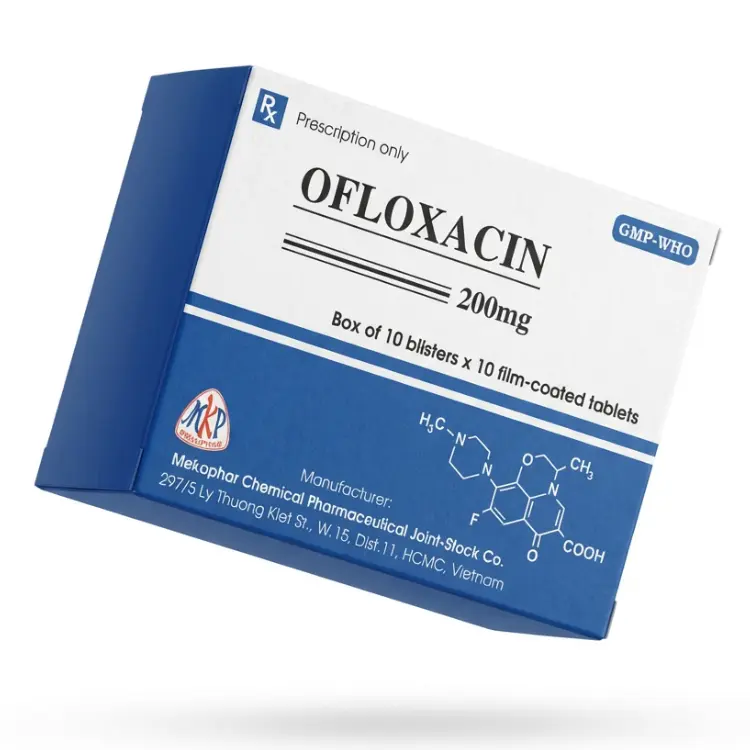
Ofloxacin is a broad-spectrum, prescription-only antibiotic belonging to the fluoroquinolone class. It is used to treat various bacterial infections, including urinary tract infections, respiratory infections, and skin infections. It is also available in topical forms such as eye drops and ear drops for localized infections.
  • ActiveIngredient: Ofloxacin
  • DosageForm: Oral Tablet, Ophthalmic Solution (Eye Drops), & Otic Solution (Ear Drops).
  • Dosage: Tablets: 200 mg, 300 mg, 400 mg. Ophthalmic (Ocuflox): 0.3%. Otic: 0.3%.
  • Indications: Treatment of pelvic inflammatory disease (PID), chronic bacterial prostatitis, acute bacterial exacerbation of chronic bronchitis, community-acquired pneumonia, uncomplicated skin infections, and urethritis/cervicitis due to Chlamydia.
  • Manufacturer: Janssen (Floxin brand - discontinued) / Allergan (Ocuflox) / Various Generics
  • Storage: Tablets: Store at 20°C to 25°C (68°F to 77°F). Drops: Store at 15°C to 25°C (59°F to 77°F). Protect from light.
  • Drug Status: Prescription Only

What is Ofloxacin?

Ofloxacin is a synthetic, broad-spectrum antibiotic belonging to the fluoroquinolone class. It works by inhibiting bacterial enzymes (DNA gyrase and topoisomerase IV) essential for DNA replication, thereby killing susceptible bacteria (bactericidal effect).

It is important to understand that ofloxacin is only effective against bacterial infections and has no activity against viral illnesses like the common cold or flu. Misuse contributes to antibiotic resistance.

Available Forms and Systemic vs. Local Use

Ofloxacin is available in both systemic (affecting the whole body) and topical (local) formulations, which have very different safety profiles:

  • Systemic Forms: Ofloxacin tablets (commonly 200 mg, 400 mg) and oral suspension. These carry the serious, class-wide warnings associated with fluoroquinolones.
  • Topical Forms: Ofloxacin eye drops and ofloxacin otic solution (ear drops). These are applied locally and have minimal absorption into the bloodstream, making them much safer with primarily local side effects.

This guide primarily addresses systemic (oral) ofloxacin use, with specific notes on topical applications.

How to Take Ofloxacin

Adherence to dosing instructions is critical for effectiveness and to minimize the risk of serious side effects.

Administration

Swallow ofloxacin tablets whole with a full glass of water. It can be taken with or without food, but taking it on an empty stomach may promote better absorption. Do not crush or chew the tablets.

For topical forms: Follow your doctor’s instructions precisely for ofloxacin eye drops or otic solution. Do not touch the dropper tip to any surface to avoid contamination.

Critical Timing with Minerals

Ofloxacin can bind (chelate) to minerals like calcium, magnesium, aluminum, iron, and zinc in the gut, drastically reducing its absorption. To avoid this:

  • Avoid taking ofloxacin with dairy products (milk, yogurt), calcium-fortified juices, or antacids containing aluminum or magnesium.
  • If you take multivitamins, mineral supplements, or antacids, take them at least 2 hours before or 4-6 hours after your dose of ofloxacin.

Course Completion and Resistance

Take the medication exactly as prescribed for the full length of time, even if you start to feel better after a few days. Stopping the antibiotic early can allow bacteria to survive and lead to a resurgence of the infection and antibiotic resistance. Never share your antibiotics.

Side Effects of Ofloxacin

The side effect profile differs significantly between oral tablets and topical drops. Serious risks are primarily associated with systemic use. For context on evaluating medication side effects, see this guide.

Side Effects of Systemic (Oral) Ofloxacin
FrequencySide EffectsAction to Take
CommonNausea, diarrhea, headache, dizziness, insomnia.These are often mild. Taking with food may help nausea. Report persistent issues to your doctor.
Serious (Seek Immediate Help)
  • Tendon Damage: Pain, swelling, inflammation, or rupture of tendons (Achilles, shoulder, hand). Risk is higher in those over 60, on corticosteroids, or with organ transplants.
  • Peripheral Neuropathy: Pain, burning, tingling, numbness, weakness in arms/legs.
  • Central Nervous System Effects: Severe dizziness, confusion, tremors, hallucinations, depression, suicidal thoughts.
  • Hypoglycemia: Especially in diabetics – shaking, sweating, confusion, rapid heartbeat.
  • Aortic Dissection/Rupture: Severe, sudden chest, stomach, or back pain.
  • Severe diarrhea (possible C. difficile infection).
  • Allergic reaction (hives, swelling, difficulty breathing).
Stop taking ofloxacin and contact your doctor immediately or seek emergency care. Tendon rupture can occur with little warning.

Side Effects of Topical Ofloxacin (Eye/Ear Drops)

These are generally mild and localized:

  • Eye Drops: Temporary mild burning or discomfort, itching, redness, or foreign body sensation in the eye.
  • Ear Drops: Mild itching or discomfort in the ear, unusual taste in mouth.
  • Action: These usually subside. If severe irritation, rash, or signs of an allergic reaction develop, discontinue use and consult your doctor.

What is Ofloxacin Used For?

Ofloxacin is prescribed for specific bacterial infections based on susceptibility testing or likely pathogens.

Primary Uses for Systemic (Oral) Ofloxacin

  • Urinary Tract Infections (UTIs): Including complicated UTIs, pyelonephritis (kidney infection), and chronic bacterial prostatitis.
  • Respiratory Tract Infections: Acute exacerbations of chronic bronchitis, community-acquired pneumonia (though less commonly first-line than some other fluoroquinolones like levofloxacin).
  • Sexually Transmitted Infections (STIs): Used as an alternative treatment for uncomplicated chlamydia, gonorrhea, and nongonococcal urethritis/cervicitis.
  • Pelvic Inflammatory Disease (PID): Often used in combination with metronidazole to cover a broader range of bacteria, including anaerobes.
  • Skin and Skin Structure Infections: Uncomplicated infections caused by susceptible bacteria.

Uses for Topical Ofloxacin

  • Ofloxacin Eye Drops: Bacterial conjunctivitis (“pink eye”), corneal ulcers.
  • Ofloxacin Otic Solution: Otitis externa (“swimmer’s ear”), chronic suppurative otitis media (with a perforated eardrum).

Interactions Alcohol:

Use with caution
Alcohol may worsen certain central nervous system side effects of ofloxacin, such as dizziness or lightheadedness. It is generally advisable to avoid or limit alcohol during treatment.

Interactions Other Medications:

Consult your doctor
Ofloxacin interacts with many drugs. As noted, it binds to minerals. It may also increase the effects of warfarin (increased bleeding risk) and can enhance the risk of hypoglycemia when taken with diabetes medications like insulin or sulfonylureas. It may increase the risk of seizures when taken with NSAIDs. Provide your doctor a complete medication list.

Special Groups Pregnancy:

Consult your doctor
Ofloxacin is generally not recommended during pregnancy due to potential risks to fetal joint and bone development observed in animal studies. It should only be used if the potential benefit justifies the potential risk to the fetus. See general guidance on medication safety in pregnancy.

Special Groups Breastfeeding:

Use with caution
Ofloxacin passes into breast milk in small amounts. Because of the potential for serious adverse reactions in nursing infants (including effects on joints), a decision should be made to discontinue nursing or discontinue the drug, considering the importance of the drug to the mother.

Special Groups Elderly:

Use with caution
Elderly patients may be more susceptible to drug-related side effects, particularly tendon disorders (including rupture), and central nervous system effects. Kidney function also declines with age, which may require dosage adjustment.

Special Groups Children:

Unsafe
Systemic ofloxacin is generally contraindicated in children and adolescents under 18 years of age (except for specific, severe infections with no alternative) due to the risk of arthropathy (joint problems). Topical forms (eye/ear drops) may be used in children as directed by a pediatrician.

Effects on Activities Driving:

Use with caution
Ofloxacin may cause dizziness, lightheadedness, or visual disturbances. Do not drive or operate vehicles until you are certain the medication does not impair your alertness or coordination.

Effects on Activities Operating Machinery:

Use with caution
The same caution applies to operating machinery. Refrain from such activities if you experience dizziness or visual changes.

Important Safety Concerns and Considerations

Tendonitis and Tendon Rupture

Fluoroquinolones, including ofloxacin, increase the risk of tendinitis and tendon rupture, particularly of the Achilles tendon. This can occur within hours or weeks of starting therapy, in patients of any age, and may require surgical repair or result in prolonged disability. The risk is higher in those over 60, those taking corticosteroid drugs, and those with kidney, heart, or lung transplants. At the first sign of tendon pain, swelling, or inflammation, stop taking ofloxacin, avoid exercise, and contact your doctor.

Exacerbation of Myasthenia Gravis

Fluoroquinolones may exacerbate muscle weakness in patients with myasthenia gravis. Avoid ofloxacin in patients with a known history of this condition, as it can lead to life-threatening respiratory failure.

Peripheral Neuropathy

Serious nerve damage (peripheral neuropathy) can occur, causing pain, burning, tingling, numbness, and/or weakness. Symptoms can occur soon after initiation and may be irreversible. Discontinue ofloxacin immediately if these symptoms develop.

Central Nervous System Effects

Ofloxacin may cause central nervous system stimulation, leading to tremors, restlessness, anxiety, lightheadedness, confusion, hallucinations, paranoia, depression, nightmares, insomnia, and, rarely, suicidal thoughts or acts. Use with caution in patients with known or suspected CNS disorders.

Photosensitivity/Phototoxicity

Ofloxacin can make your skin much more sensitive to sunlight (UV) and artificial light (like tanning beds). Even brief exposure can cause severe sunburn, blistering, and swelling. Practice strict sun avoidance: use protective clothing, broad-spectrum sunscreen, and avoid tanning beds during and for several days after treatment. For effective sun protection, see this guide.

Critical Warnings for Ofloxacin Use

Black Box Warning: Tendon, Joint, Muscle, and Nerve Damage

The U.S. FDA requires a boxed warning (the strongest type) for fluoroquinolones like ofloxacin due to the risk of disabling and potentially permanent side effects involving tendons, muscles, joints, nerves, and the central nervous system. These can occur together. The drug should be reserved for infections with no alternative treatment options.

Hypoglycemia and Hyperglycemia

Ofloxacin can cause disturbances in blood sugar levels, including symptomatic, severe, and sometimes fatal hypoglycemia (low blood sugar), particularly in elderly patients and those with diabetes on medication. Hyperglycemia (high blood sugar) has also been reported. Monitor blood glucose closely if you have diabetes. Symptoms of low blood sugar include confusion, rapid heartbeat, dizziness, sweating, and hunger.

Aortic Aneurysm and Dissection

Fluoroquinolone use may increase the risk of aortic aneurysm (enlargement) and dissection (tear), which can lead to dangerous bleeding or death. This risk is higher in the elderly and those with a history of blockages or aneurysms of the aorta or other blood vessels, high blood pressure, or certain genetic conditions. Seek emergency help for sudden, severe, and constant pain in the stomach, chest, or back.

Diarrhea Associated with Clostridioides difficile

Antibiotic use, including ofloxacin, can cause a severe form of diarrhea (C. diff-associated diarrhea) due to an overgrowth of toxin-producing bacteria. This can range from mild diarrhea to fatal colitis and can occur even months after antibiotic treatment. Report watery, bloody diarrhea, or stomach cramps/pain to your doctor.

Ofloxacin Dosage Information

Dosage is determined by the type and severity of infection, renal function, and patient factors. Always follow your doctor’s prescription. The following are general guidelines for adults with normal kidney function.

General Ofloxacin Dosage Guidelines (Adults)
Infection TypeTypical Oral DosageDuration & Notes
Urinary Tract Infections (UTI)200–400 mg every 12 hours3–10 days, depending on severity.
Chronic Bacterial Prostatitis300 mg every 12 hours6 weeks.
Lower Respiratory Tract Infections (e.g., bronchitis)400 mg every 12 hours10 days.
Skin/Skin Structure Infections400 mg every 12 hours10 days.
Sexually Transmitted Infections (Chlamydia, etc.)300 mg every 12 hours7 days (chlamydia) or single dose (gonorrhea – though not first-line).
Pelvic Inflammatory Disease (PID)400 mg every 12 hours14 days, usually combined with metronidazole.
Ofloxacin Eye Drops1–2 drops in affected eye(s) every 2–4 hours while awake.As prescribed, typically for 7 days. Frequency may reduce after first 2 days.
Ofloxacin Otic Solution10 drops (0.5 mL) in affected ear once daily.For otitis externa: 7 days. For chronic suppurative otitis media: 14 days.

Renal Impairment Adjustment

Dosage must be reduced in patients with impaired kidney function (creatinine clearance < 50 mL/min). Your doctor will calculate the appropriate dose or dosing interval.

Drug Interactions with Ofloxacin

Ofloxacin interacts with numerous medications and substances. A complete review with your doctor is essential.

Significant Drug Interactions with Ofloxacin
Interacting SubstanceEffect of InteractionRecommendation
Divalent/Trivalent Cations (Calcium, Magnesium, Aluminum, Iron, Zinc)Severely reduces absorption of ofloxacin, making it ineffective.Take ofloxacin at least 2 hours before or 4–6 hours after antacids, sucralfate, dairy products, or mineral/vitamin supplements.
Anticoagulants (e.g., Warfarin)Ofloxacin may enhance the anticoagulant effect, increasing the risk of bleeding.Close monitoring of prothrombin time (INR) is required. Report any unusual bruising or bleeding.
Oral Hypoglycemics / InsulinIncreased risk of severe, symptomatic hypoglycemia (low blood sugar).Diabetics must monitor blood glucose closely. Symptoms include shaking, sweating, confusion. Have fast-acting sugar available.
Non-Steroidal Anti-Inflammatory Drugs (NSAIDs) (e.g., ibuprofen)May increase the risk of CNS stimulation and seizures.Use with caution. Be aware of potential for increased nervous system side effects.
Corticosteroids (e.g., prednisone)Concomitant use increases the risk of tendon rupture.Avoid combination if possible. If used together, extra vigilance for tendon pain is critical.
ProbenecidMay decrease renal excretion of ofloxacin, increasing its blood levels and side effects.Your doctor may need to adjust the ofloxacin dose.
Other QT-Prolonging Drugs (e.g., certain antiarrhythmics, antipsychotics)Theoretical additive effect on QT interval prolongation, potentially leading to arrhythmias.Your doctor will assess the risk before co-prescribing.

FAQs

Ofloxacin is a broad-spectrum antibiotic effective against many bacteria. Its "strength" depends on the specific infection and the susceptibility of the bacteria causing it. For some infections, like certain UTIs or prostatitis, it is a standard treatment. For severe pneumonia, other fluoroquinolones like levofloxacin or different classes may be preferred.
No, not at the same time. Calcium, magnesium, aluminum, iron, and zinc bind to ofloxacin in your stomach and prevent its absorption. You must separate doses of ofloxacin from dairy products, calcium-fortified juices, antacids, and multivitamin/mineral supplements by at least 2 hours (before or after).
Fluoroquinolone antibiotics, including ofloxacin, have been associated with an increased risk of inflammation and tears in tendons, even in healthy people with no prior tendon issues. The exact mechanism isn't fully understood but is a recognized class effect. The risk is higher in the elderly and those on corticosteroids. Stop the drug and rest at the first sign of tendon pain.
Both are fluoroquinolone antibiotics. Ciprofloxacin (Cipro) is often more potent against certain Gram-negative bacteria like Pseudomonas aeruginosa. Ofloxacin may have slightly better activity against some Gram-positive organisms and is often used in specific urogenital and pelvic infections. The choice depends on the specific infection and local bacterial resistance patterns.
Yes, significantly. Ofloxacin eye drops and otic solution are applied locally and have minimal systemic absorption. Therefore, the serious risks like tendon damage, nerve problems, and aortic issues associated with oral tablets are extremely unlikely with the topical forms. Side effects are generally limited to local irritation.

Additional Information

Storage and Handling

Store ofloxacin tablets at room temperature, away from light, heat, and moisture. Store eye/ear drops as directed on the packaging (some may require refrigeration after opening). Keep all medications out of reach of children and pets. Do not use topical solutions if they are discolored or contain particles.

Historical Context

Ofloxacin was developed in the 1980s as a second-generation fluoroquinolone. It offered a broader spectrum of activity than its predecessor, norfloxacin, particularly against Gram-positive bacteria and atypical pathogens. While its systemic use has declined in some areas due to safety concerns and the development of newer agents, it remains a valuable option for specific infections and is extremely widely used in its topical forms for eye and ear infections.

Reporting Side Effects

If you experience a side effect, report it to your doctor. You can also report adverse drug events directly to the FDA MedWatch program or your national health authority. This helps collect important safety information.

References and Medical Sources

The information on this page is compiled from reputable medical sources and prescribing information.

  1. U.S. Food and Drug Administration (FDA). Floxin (ofloxacin) Tablets Prescribing Information. [Updated 2008]. https://www.accessdata.fda.gov/drugsatfda_docs/label/2008/019735s059lbl.pdf
  2. MedlinePlus. Ofloxacin. U.S. National Library of Medicine; [Updated 2017]. https://medlineplus.gov/druginfo/meds/a691005.html
  3. Drugs.com. Ofloxacin Professional Monograph. Drugs.com; [Updated 2024]. https://www.drugs.com/monograph/ofloxacin.html
  4. Centers for Disease Control and Prevention (CDC). Sexually Transmitted Infections Treatment Guidelines, 2021. [Updated 2021]. https://www.cdc.gov/std/treatment-guidelines/default.htm

Disclaimer: The information on this site is provided for informational purposes only and is not medical advice. It does not replace professional medical consultation, diagnosis, or treatment. Do not self-medicate based on the information presented on this site. Always consult with a doctor or other qualified healthcare professional before making any decisions about your health.

You must login to add a comment.

Popular Questions

Top Members

Join the discussion

Comments are published after moderation. User opinions do not constitute medical advice.

We sincerely appreciate you taking the time to share your feedback. Every user's perspective is valuable to us.

Ask to get answers.