Hello,

Sign up to join our community!

Welcome Back,

Please sign in to your account!

Forgot Password,

Lost your password? Please enter your email address. You will receive a link and will create a new password via email.

Sorry, you do not have permission to ask a question, You must login to ask a question.

Orlistat: Uses, dosage, side effects, warnings & patient reviews

Orlistat

Orlistat
0

The iMedixStars rating goes beyond a simple average of reviews. It’s calculated based on various factors, including the quantity, recency, and reliability of the reviews. Read More

  • 0 reviews

Orlistat

0

The iMedixStars rating goes beyond a simple average of reviews. It’s calculated based on various factors, including the quantity, recency, and reliability of the reviews. Read More

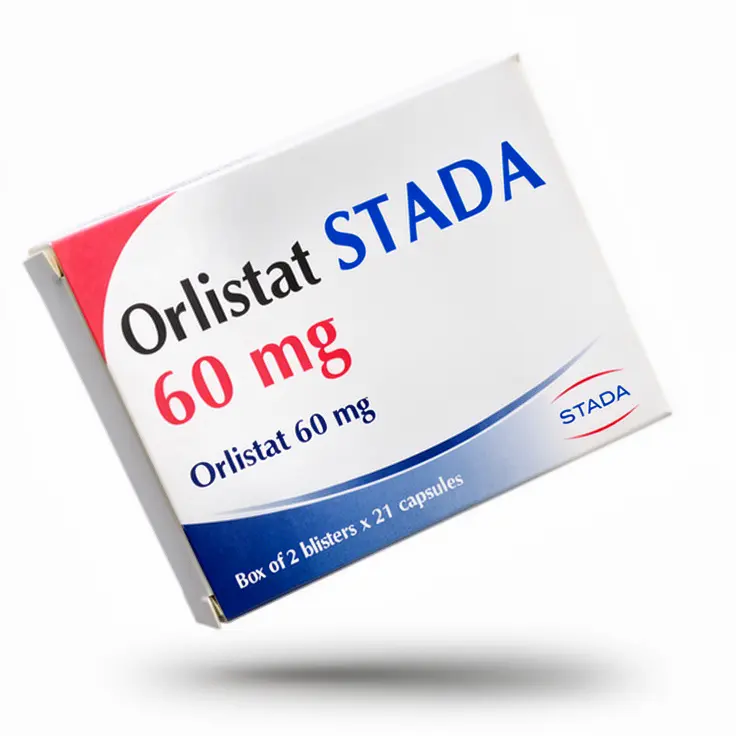
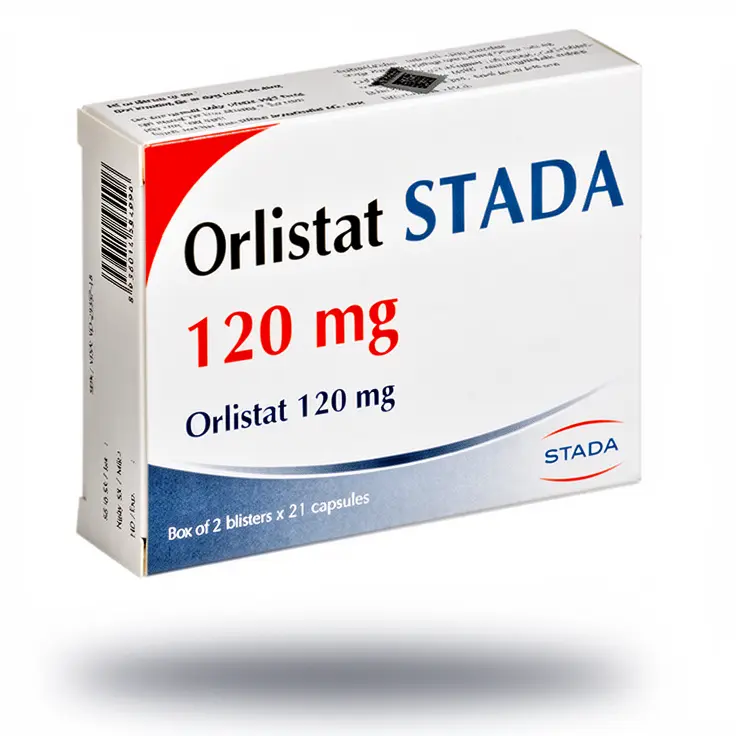
Orlistat is a lipase inhibitor medication indicated as an adjunct to a reduced-calorie diet for weight management in adults with obesity or overweight. It works by reducing the absorption of dietary fat in the gastrointestinal tract and is available in prescription (120 mg) and over-the-counter (60 mg) strengths.
  • ActiveIngredient: Orlistat
  • DosageForm: Oral Capsule
  • Dosage: 60 mg (OTC) and 120 mg (Prescription)
  • Indications: Obesity management, including weight loss and weight maintenance, in conjunction with a reduced-calorie diet.
  • Manufacturer: Various Generic Manufacturers
  • Storage: Store at 25°C (77°F); excursions permitted to 15-30°C (59-86°F). Keep the bottle tightly closed to protect from moisture. Do not use after the expiration date.
  • Drug Status: Prescription Only

What is Orlistat?

Orlistat is a medication used for long-term weight management. Its active ingredient is a gastrointestinal lipase inhibitor that reduces the digestion and absorption of a portion of dietary fat consumed with meals, thereby lowering overall caloric intake.

It is the generic form of the prescription drug Xenical (120 mg) and the primary ingredient in the lower-dose, over-the-counter product Alli (60 mg). Generic orlistat provides the same therapeutic effect as the brand-name versions at a lower cost, which can be a significant advantage in long-term weight management therapy.

Available Forms and Strengths

Orlistat is available as oral capsules. The prescription strength is orlistat 120 mg, taken three times daily. The over-the-counter (OTC) strength is orlistat 60 mg, also taken three times daily with meals. It is approved for use in adults aged 18 and over.

How to Take Orlistat

Proper use is critical for effectiveness and to minimize gastrointestinal side effects.

Administration

Take one capsule with water immediately before, during, or up to one hour after each main meal containing fat. If a meal is occasionally missed or contains no fat, the dose of orlistat can be omitted.

Dietary Requirements

Orlistat is an adjunct to a reduced-calorie diet. The diet should contain no more than 30% of calories from fat. Distributing fat intake evenly across three main meals can help manage side effects. A diet rich in fruits, vegetables, and whole grains is recommended.

Vitamin Supplementation

Orlistat can reduce the absorption of fat-soluble vitamins (A, D, E, and K). Take a daily multivitamin supplement that contains these vitamins. Take the multivitamin at least 2 hours before or after taking orlistat, such as at bedtime, to ensure proper absorption. For more on understanding medication instructions, see our guide on reading your medicine’s information.

Side Effects of Orlistat

Side effects are primarily related to its mechanism of action in the gastrointestinal tract and are often linked to dietary fat intake. For a general overview of interpreting side effects, you may find our realistic guide helpful.

Common and Serious Side Effects of Orlistat
FrequencySide EffectsAction to Take
Very Common (>10%)
  • Oily spotting from the rectum
  • Flatulence with discharge
  • Fecal urgency
  • Soft or liquid stools
  • Oily or fatty stools
These are often dose-dependent and diminish if you adhere to a low-fat diet (≤30% calories from fat). They are typically most noticeable in the first weeks of treatment.
Common (1-10%)
  • Increased defecation
  • Abdominal pain or discomfort
  • Influenza, upper respiratory infection
  • Headache
Manage with diet modification. Report persistent headaches or abdominal pain to your doctor.
Serious (Seek Medical Help)
  • Severe or persistent abdominal pain (may indicate gallstones or pancreatitis)
  • Symptoms of liver injury (yellowing skin/eyes, dark urine, unusual fatigue, loss of appetite)
  • Symptoms of kidney injury (changes in urination, swelling in feet/ankles)
  • Severe allergic reaction (rash, itching/swelling, dizziness, trouble breathing)
Stop taking orlistat and contact your doctor immediately. These reactions are rare but require prompt medical evaluation.

What is Orlistat Used For?

Orlistat is indicated as an adjunct to a reduced-calorie diet for weight management in specific adult populations. Weight loss with orlistat can significantly improve obesity-related comorbidities.

Primary Medical Use

  • Weight Management: For adults with an initial body mass index (BMI) of 30 kg/m² or greater (obesity), or 27 kg/m² or greater (overweight) in the presence of other risk factors such as type 2 diabetes, dyslipidemia, or controlled hypertension. Weight reduction also benefits conditions like erectile dysfunction often associated with obesity.

Mechanism of Action

Orlistat is a potent and specific inhibitor of gastrointestinal lipases. These enzymes are required for the hydrolysis of dietary triglycerides into absorbable free fatty acids and monoglycerides. By inactivating these enzymes in the gut lumen, orlistat prevents the digestion of approximately 30% of dietary fat, which is then excreted unchanged in the feces.

Important Limitations

Orlistat is not a substitute for a healthy diet and exercise; it is a tool to enhance the effects of lifestyle modification. It does not block the absorption of carbohydrates, protein, or alcohol. It is not indicated for use in children or pregnant women.

Interactions Alcohol:

Use with caution
Alcohol does not directly interact with orlistat's mechanism. However, alcoholic beverages can be high in calories, which may counteract weight loss efforts. Additionally, heavy alcohol use can increase the risk of liver-related side effects.

Interactions Other Medications:

Consult your doctor
Orlistat may reduce the absorption of fat-soluble vitamins and some medications. It can reduce plasma levels of cyclosporine (an immunosuppressant) and amiodarone (a heart medication). Take other medications at least 2 hours before or after orlistat. Discuss all your medications with your doctor.

Special Groups Pregnancy:

Unsafe
Orlistat is contraindicated during pregnancy. Weight loss offers no potential benefit to a pregnant woman and may harm the fetus. Women of childbearing age should use effective contraception.

Special Groups Breastfeeding:

Unsafe
It is not known if orlistat is excreted in human milk. Due to the potential for serious adverse effects in the infant and the lack of benefit during lactation, it is not recommended for breastfeeding mothers.

Special Groups Elderly:

Safe if prescribed
No specific dosage adjustment is generally required for elderly patients. However, age-related decline in renal function should be considered. It should only be used if the potential benefit justifies the potential risk.

Special Groups Children:

Unsafe
Orlistat is not approved for use in children and adolescents under 18 years of age.

Effects on Activities Driving:

Safe if prescribed
Orlistat does not affect the ability to drive or use machines. However, individuals experiencing dizziness or other symptoms as a side effect should exercise caution.

Effects on Activities Operating Machinery:

Safe if prescribed
Similar to driving, no intrinsic impairment is caused by orlistat. Assess your individual tolerance to the medication.

Important Safety Concerns and Considerations

Gastrointestinal Side Effects

The most common concerns with orlistat are gastrointestinal effects like oily stool, fecal urgency, and flatulence. These are a direct result of undigested fat passing through the intestines and are dose-dependent. Adherence to the recommended low-fat diet (≤30% of calories from fat) is the most effective way to minimize these effects. They often decrease in frequency after the first few weeks of treatment as dietary habits adjust.

Fat-Soluble Vitamin Deficiency

Long-term use of orlistat can impair the absorption of fat-soluble vitamins (A, D, E, and K). This is why daily supplementation with a multivitamin is recommended. The supplement should be taken at least 2 hours apart from orlistat, typically at bedtime, to ensure adequate absorption.

Risk of Kidney Injury

Rare cases of increased urinary oxalate (hyperoxaluria) leading to kidney stones and kidney injury have been reported, particularly in patients with underlying kidney disease. Patients should maintain adequate fluid intake and report any symptoms of kidney problems, such as back pain, blood in the urine, or changes in urination patterns.

Hepatic Effects

Very rare cases of severe liver injury (hepatitis) have been reported in people taking orlistat. While a direct causal relationship is difficult to establish, patients should be advised to discontinue use and seek medical attention if they develop symptoms such as itching, yellow eyes/skin, dark urine, loss of appetite, or light-colored stools.

Cholelithiasis (Gallstones)

Weight loss, regardless of the method, can increase the risk of developing gallstones. Symptoms include severe and persistent upper abdominal pain, often radiating to the back. Patients experiencing these symptoms should consult their doctor.

Critical Warnings for Orlistat Use

Not a Substitute for Lifestyle Changes

Orlistat is only effective when used in conjunction with a medically approved, reduced-calorie diet. It is not a stand-alone solution for weight loss. The medication’s benefits on weight and obesity-related risk factors are directly related to the patient’s adherence to dietary and lifestyle modifications.

Contraindications

Orlistat is contraindicated in patients with:

  • Chronic malabsorption syndrome
  • Cholestasis (blocked bile flow from the liver)
  • Known hypersensitivity to orlistat or any component of the formulation
  • Pregnancy and breastfeeding

Monitoring and Duration of Use

Treatment with orlistat should be discontinued after 12 weeks if a patient has not lost at least 5% of their initial body weight. This indicates that the therapy is unlikely to be effective for that individual. Regular monitoring by a healthcare provider is important to assess efficacy, side effects, and nutritional status.

Patient Counseling on Diet

Patients must receive comprehensive dietary counseling. The diet should be nutritionally balanced, with less than 30% of calories from fat. Eating meals with too much fat will significantly increase the likelihood and severity of gastrointestinal side effects.

Thyroid Function Monitoring

Cases of subclinical hypothyroidism (decreased thyroid hormone levels) have been observed, sometimes accompanied by elevated thyroid-stimulating hormone (TSH) levels. Thyroid function should be monitored in patients treated with orlistat.

Orlistat Dosage Information

Dosage is fixed and based on the formulation. The following table outlines the standard regimens.

Standard Orlistat Dosage Guidelines
FormulationStandard Adult DosageKey Administration Notes
Prescription (120 mg)One 120 mg capsule, taken three times daily.Take with each main meal containing fat. Omit the dose if a meal is skipped or is fat-free.
Over-the-Counter (60 mg)One 60 mg capsule, taken three times daily.Same administration rules as the 120 mg strength. It is for use in adults 18+ with a BMI ≥ 28 kg/m².

Important Administration Notes

  • With Meals: The dose should be taken during or up to one hour after a meal.
  • Dietary Fat: The capsule should be taken with a meal that contains fat (to aid the medication’s distribution in the gut), but the overall meal must still adhere to the low-fat diet principle.
  • Missed Dose: If you miss a dose, skip it and take the next capsule with your next meal. Do not double the dose.
  • Duration: Assess progress after 12 weeks. Discontinue if 5% weight loss is not achieved, as continued treatment is unlikely to be beneficial.

Drug Interactions with Orlistat

Orlistat can affect the absorption of other medications and nutrients. The most significant interactions are detailed below.

Significant Drug and Nutrient Interactions with Orlistat
Interacting SubstanceEffect of InteractionRecommendation
Fat-Soluble Vitamins (A, D, E, K) and Beta-CaroteneOrlistat significantly reduces the absorption of these vitamins, potentially leading to deficiencies over time.Take a daily multivitamin supplement containing these vitamins at least 2 hours before or after orlistat (e.g., at bedtime).
Cyclosporine (immunosuppressant)Orlistat can substantially decrease blood levels of cyclosporine, risking organ rejection in transplant patients.Avoid concomitant use. If unavoidable, monitor cyclosporine blood levels closely and adjust dosage. Administer cyclosporine at least 2 hours before or after orlistat.
Amiodarone (antiarrhythmic)Potential reduction in amiodarone absorption and efficacy.Monitor for efficacy. Administer amiodarone at least 2 hours before or after orlistat.
Warfarin/Acenocoumarol (anticoagulants)Possible alteration in coagulation parameters due to reduced vitamin K absorption.Monitor INR (International Normalized Ratio) more frequently, especially when starting or stopping orlistat.
Levothyroxine (thyroid hormone)Case reports suggest decreased levothyroxine efficacy, potentially leading to hypothyroidism.Administer levothyroxine and orlistat at least 4 hours apart. Monitor thyroid function.
Antiepileptic Drugs (e.g., valproate, lamotrigine)Theoretical risk of increased seizure frequency due to reduced drug absorption.Use with caution. Monitor drug levels and clinical response. Space administration.

FAQs

In clinical studies, over one year, people taking orlistat 120 mg three times daily along with a reduced-calorie diet lost an average of 8.5–10.2 kg (approx. 19–22 lbs), which was about 2.5–3.5 kg (5.5–7.7 lbs) more than those on diet alone. Individual results vary significantly based on adherence to the diet and exercise plan.
These effects are not "side effects" in the traditional sense but are direct pharmacological consequences of the drug's action. By blocking fat absorption, undigested fat passes into the colon. This can cause oily discharge, fatty stools, and gas. Adhering strictly to the low-fat diet greatly reduces these symptoms.
Yes. Generic orlistat contains the identical active pharmaceutical ingredient as Xenical in the same strength (120 mg). Regulatory authorities require generics to demonstrate bioequivalence, meaning they work in the same way and to the same extent. Choosing a generic can offer substantial cost savings without sacrificing efficacy.
Yes, orlistat is often used in patients with type 2 diabetes, as weight loss can improve glycemic control. In fact, a BMI of 27 kg/m² or greater with comorbidities like diabetes is an indication for use. It's important to monitor blood sugar levels, as weight loss may reduce requirements for diabetes medication.
Orlistat is a prescription medication (120 mg) or a pharmacist-supervised OTC medication (60 mg in many regions). It should only be purchased from licensed pharmacies with a valid prescription or after consultation. Be extremely cautious of websites selling it without these requirements, as they may supply counterfeit products. For safety tips, see our guide on buying medicines online safely.

Additional Information

Cost Considerations

As a generic medication, orlistat is a cost-effective option for long-term weight management therapy compared to the brand-name version. For patients concerned about medication expenses, exploring strategies to lower costs with a healthcare provider or pharmacist is recommended.

Reporting Side Effects

If you experience a side effect, report it to your doctor. You can also report adverse drug events directly to your national health authority (e.g., the FDA in the United States). This contributes to ongoing drug safety monitoring.

Historical Note

Orlistat (marketed as Xenical by Roche) was approved by the U.S. FDA in 1999. Its unique, locally-acting mechanism in the gastrointestinal tract distinguished it from centrally-acting appetite suppressants available at the time, offering a different safety and side effect profile.

References and Medical Sources

The information on this page is based on authoritative medical literature and prescribing information.

  1. U.S. Food and Drug Administration (FDA). XENICAL (orlistat) Prescribing Information. [Updated 2015]. https://www.accessdata.fda.gov/drugsatfda_docs/label/2022/020766s038lbl.pdf
  2. MedlinePlus. Orlistat. U.S. National Library of Medicine; [Updated 2021]. https://medlineplus.gov/druginfo/meds/a601244.html
  3. National Institute of Diabetes and Digestive and Kidney Diseases (NIDDK). Prescription Medications to Treat Overweight and Obesity. [Updated 2021]. https://www.niddk.nih.gov/health-information/weight-management/prescription-medications-treat-overweight-obesity
  4. Drugs.com. Orlistat Professional Monograph. Drugs.com; [Updated 2024]. https://www.drugs.com/monograph/orlistat.html

Disclaimer: The information on this site is provided for informational purposes only and is not medical advice. It does not replace professional medical consultation, diagnosis, or treatment. Do not self-medicate based on the information presented on this site. Always consult with a doctor or other qualified healthcare professional before making any decisions about your health.

How do you take Orlistat?
Have you experienced any side effects while taking Orlistat?
How much has your condition improved since starting Orlistat?
What do you use Orlistat for?

You must login to add a comment.

Question 1

How do you take Orlistat?

Question 2

Have you experienced any side effects while taking Orlistat?

Question 3

How much has your condition improved since starting Orlistat?

Question 4

What do you use Orlistat for?

Poor Excellent
Thank you for sharing your valuable feedback and experiences related to Suhagra 100 Tablet, your inputs will help many others in their health journey.

Ask to get answers.