
iMedix Medical Content Engine 3.13.37

Hello,

Sign up to join our community!

Welcome Back,

Please sign in to your account!

Forgot Password,

Lost your password? Please enter your email address. You will receive a link and will create a new password via email.

Sorry, you do not have permission to ask a question, You must login to ask a question.

Remeron: Uses, dosage, side effects, warnings & patient reviews

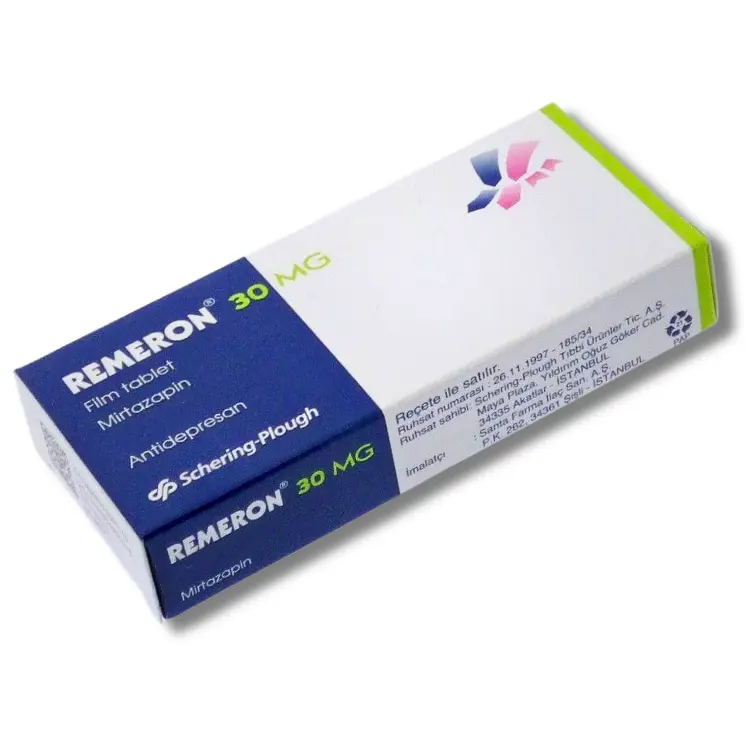
Remeron

Remeron

Remeron

Mirtazapine
Remeron is a brand name for the prescription medication mirtazapine. It is a tetracyclic antidepressant classified as a noradrenergic and specific serotonergic antidepressant (NaSSA) and is indicated for the treatment of major depressive disorder (MDD).
  • ActiveIngredient: Mirtazapine
  • DosageForm: Oral tablets, orally disintegrating tablets (SolTabs).
  • Dosage: Tablets: 15 mg, 30 mg, 45 mg. Orally disintegrating tablets: 15 mg, 30 mg, 45 mg.
  • Indications: Treatment of Major Depressive Disorder (MDD).
  • Manufacturer: Organon (Brand); generic manufacturers include Teva Pharmaceuticals, Aurobindo Pharma, Sandoz, and Sun Pharmaceutical.
  • Storage: Store at room temperature 20°C–25°C (68°F–77°F); protect from light and moisture.
  • Drug Status: Prescription Only

What is Remeron (Mirtazapine)?

Remeron contains the active ingredient mirtazapine and belongs to a class of medications known as tetracyclic antidepressants or NaSSAs (noradrenergic and specific serotonergic antidepressants). It is approved for the treatment of major depressive disorder.

Mirtazapine works differently from common antidepressants like SSRIs. Its primary mechanism involves blocking specific receptors (alpha-2 adrenergic autoreceptors and heteroreceptors), which increases the release of norepinephrine and serotonin in the brain. It also strongly blocks histamine H1 receptors, which is responsible for its pronounced sedative effects. This sedation, along with its effect on appetite, informs both its primary and off-label uses.

Due to its potent sedative properties, it is frequently prescribed to be taken at bedtime. Furthermore, its distinct pharmacological profile means it is less likely to cause certain side effects, such as sexual dysfunction, commonly associated with other antidepressants. For more on this specific benefit, see our guide to antidepressants and sexual side effects.

How to Take Remeron

Adherence to prescribed dosing is critical for the safe and effective use of Remeron.

Administration and Timing

Remeron tablets are taken orally, typically once daily at bedtime. This timing helps manage the common side effect of drowsiness and may improve sleep initiation. The tablet can be taken with or without food.

It is important to take Remeron exactly as prescribed by your healthcare provider, even if symptoms improve. Do not stop taking this medication abruptly without medical guidance, as this can lead to withdrawal symptoms.

Dosage Considerations

Remeron is available in several strengths, including Remeron 7.5 mg, 15 mg, 30 mg, and 45 mg tablets. The effective dose varies by individual. A unique characteristic of mirtazapine is that lower doses (e.g., 7.5 mg to 15 mg) often produce more pronounced sedative effects, while higher doses may have a relatively less sedating effect but a stronger antidepressant action.

Missed Dose

If you miss a dose of Remeron, take it as soon as you remember, unless it is close to the time for your next dose. In that case, skip the missed dose and resume your regular schedule. Do not take a double dose to make up for a missed one.

Side Effects of Remeron

All medications can cause side effects. The following table categorizes the known side effects of mirtazapine based on general frequency.

Common and Serious Side Effects of Remeron (Mirtazapine)
FrequencySide EffectsNotes
Very Common (>10%)
  • Drowsiness, sedation
  • Increased appetite
  • Weight gain
  • Dry mouth
  • Constipation
Drowsiness often diminishes over time. Increased appetite and weight gain can be significant for some patients. For strategies on managing this, see information on weight management.
Common (1-10%)
  • Dizziness
  • Elevated cholesterol and triglycerides
  • Abnormal dreams
  • Flu-like symptoms
Regular monitoring of blood lipids may be recommended during long-term treatment.
Serious (Seek Medical Help)
  • Worsening depression or suicidal thoughts (see Black Box Warning)
  • Signs of infection (e.g., fever, severe sore throat) – possible symptom of agranulocytosis
  • Symptoms of serotonin syndrome (agitation, hallucinations, fast heartbeat, high fever)
  • Severe dizziness or fainting
  • Swelling of the face, lips, or tongue
Agranulocytosis, a severe drop in white blood cells, is rare but requires immediate medical attention as it increases infection risk. A sudden high fever could indicate a serious condition like septicemia.

What is Remeron Used For?

Remeron (mirtazapine) has one primary FDA-approved indication and is also used for several off-label purposes under physician supervision.

FDA-Approved Use

The approved use of Remeron is for the treatment of major depressive disorder (MDD). It is indicated to alleviate the symptoms of depression, which may include low mood, loss of interest, changes in appetite or sleep, fatigue, and feelings of worthlessness.

Common Off-Label Uses

Due to its pharmacological effects, mirtazapine is commonly prescribed off-label for:

  • Insomnia: Its potent antihistaminic (sedative) effect, particularly at lower doses, makes it a frequent choice for treating sleep disturbances, especially when insomnia co-occurs with depression or anxiety. This relates to its use as a sleep aid.
  • Anxiety Disorders: It may be used in the management of generalized anxiety disorder and other anxiety conditions. See the category for anxiety treatments.
  • Appetite Stimulation: It is sometimes used to counteract weight loss and stimulate appetite in patients with conditions causing cachexia or severe appetite loss.

Important: Off-label use means the medication is being used for a condition not specifically approved by regulatory authorities. Such use should only be initiated and monitored by a qualified healthcare professional based on their clinical judgment.

Its sedative profile is similar to some other medications used off-label for sleep, such as low-dose quetiapine (Seroquel).

Interactions Alcohol:

Unsafe
Consuming alcohol while taking Remeron is not advised. Both substances depress the central nervous system (CNS). Combining them can lead to severe drowsiness, dizziness, and significantly impaired judgment and motor coordination. This poses a high risk for accidents. For more on medication-related impairment, read about medicines and driving.

Interactions Other Medications:

Consult your doctor
Remeron can interact dangerously with several drug classes. Combining it with other CNS depressants (e.g., benzodiazepines, opioids) increases sedation risk. It must not be taken with monoamine oxidase inhibitors (MAOIs) due to the risk of serotonin syndrome. Use with other serotonergic drugs, including SSRIs like escitalopram (Lexapro), also requires extreme caution and medical supervision. A comprehensive review of all your medications with a doctor is essential.

Special Groups Pregnancy:

Consult your doctor
Data on mirtazapine use in pregnancy is limited. The potential benefits must be weighed against potential risks to the fetus. Use during pregnancy should only be under the direct guidance of a healthcare provider who can assess the individual situation.

Special Groups Breastfeeding:

Consult your doctor
Mirtazapine passes into breast milk in small amounts. The decision to use Remeron while breastfeeding requires a careful risk-benefit analysis conducted with a physician, considering the mother's need for treatment and potential effects on the infant.

Special Groups Elderly:

Use with caution
Elderly patients may be more sensitive to the side effects of Remeron, particularly sedation, dizziness, and orthostatic hypotension (a drop in blood pressure upon standing). This increases the risk of falls and related injuries. Caution is especially warranted in those with pre-existing cerebrovascular or balance issues. A lower starting dose is often recommended.

Special Groups Children:

Consult your doctor
Remeron is not typically a first-line treatment for depression in children and adolescents. Its use in this population requires specialist evaluation due to the Black Box Warning regarding increased risk of suicidal thoughts and behaviors. Any use must be closely monitored.

Effects on Activities Driving:

Use with caution
Remeron commonly causes drowsiness, especially during the first weeks of treatment or after a dose increase. Patients should not drive or operate vehicles until they are certain how the medication affects their alertness and coordination.

Effects on Activities Operating Machinery:

Use with caution
The same precautions apply as for driving. Activities requiring mental alertness or physical coordination should be avoided until the individual's response to the medication is fully known.

Important Safety Concerns and Considerations

Weight Gain and Metabolic Changes

Significant weight gain and increased appetite are among the most commonly reported side effects of Remeron. This can be a primary reason for treatment discontinuation. In addition to weight gain, mirtazapine can elevate serum cholesterol and triglyceride levels. Regular monitoring of weight and blood lipids is recommended during long-term therapy.

Sedation and Cognitive Impairment

Drowsiness and sedation are very common, particularly at initiation. This effect can impact daytime functioning and is a major safety concern for activities like driving. The sedative effect is often more pronounced at lower doses (e.g., 7.5-15 mg) and may lessen somewhat as the dose is increased, a phenomenon sometimes referred to as the “dose-related sedation paradox.”

Risk of Falls in the Elderly

The combination of sedation, dizziness, and potential orthostatic hypotension poses a substantial fall risk for older adults. This population requires careful dose titration and monitoring.

Suicidality (Black Box Warning)

Remeron carries a U.S. FDA Black Box Warning, the strongest safety alert. Antidepressants may increase the risk of suicidal thinking and behavior in children, adolescents, and young adults (up to age 24) during the initial months of treatment. All patients starting therapy should be closely monitored for clinical worsening, suicidality, or unusual changes in behavior.

Agranulocytosis

Although rare, mirtazapine has been associated with agranulocytosis, a severe lowering of white blood cells that fight infection. Patients should be instructed to contact their doctor immediately if they develop signs of infection such as fever, chills, sore throat, or mouth ulcers.

Critical Warnings for Remeron Use

Black Box Warning: Suicidality

Antidepressants increased the risk of suicidal thoughts and behavior in pediatric, adolescent, and young adult patients in short-term studies. This risk must be balanced with the clinical need. All patients treated with antidepressants should be observed closely for clinical worsening, suicidality, or unusual changes in behavior, especially during the initial few months of therapy and during dose changes.

CNS Depression and Impairment

Remeron causes significant drowsiness and may impair thinking or motor skills. Patients should be cautioned against operating hazardous machinery, including automobiles, until they are reasonably certain that Remeron therapy does not adversely affect their performance.

Serotonin Syndrome

Potentially life-threatening serotonin syndrome can occur with Remeron, particularly when used concomitantly with other serotonergic drugs (e.g., SSRIs, SNRIs, triptans, certain opioids), drugs that impair serotonin metabolism (e.g., MAOIs), or with St. John’s Wort. Symptoms include mental status changes, autonomic instability, neuromuscular abnormalities, and GI symptoms. Concomitant use with MAOIs is contraindicated.

Orthostatic Hypotension

Mirtazapine can cause orthostatic hypotension (a drop in blood pressure when standing up), which may lead to dizziness, tachycardia, and syncope (fainting). This risk is higher in the elderly and in patients taking concomitant antihypertensive medications.

Discontinuation Syndrome

Abrupt discontinuation of Remeron after prolonged use can lead to withdrawal symptoms such as dizziness, nausea, headache, agitation, anxiety, and abnormal dreams. When discontinuing treatment, the dose should be tapered gradually under medical supervision.

Remeron Dosage Information

Dosage must be individualized by a healthcare provider based on therapeutic response and tolerability. The following table outlines standard dosing ranges.

Remeron (Mirtazapine) Dosage Guidelines
Dosage StrengthTypical Role in TreatmentKey Considerations
7.5 mg or 15 mgCommon starting dose, often used for sleep initiation or in elderly/debilitated patients.Lower doses often produce more pronounced sedative effects. The 7.5 mg dose may be available as an orally disintegrating tablet (SolTab).
15 mg to 30 mgEffective antidepressant dose range for many adults.The dose may be increased after an initial period (e.g., 1-2 weeks) based on response and tolerability. Taken as a single daily dose at bedtime.
45 mgMaximum recommended daily dose.Used if there is an inadequate response to lower doses. Doses above 45 mg per day have not been shown to provide additional benefit and are not recommended.

Important Administration Notes

  • Dose-Response Paradox: The sedative effect of mirtazapine is often more intense at lower doses (e.g., 15 mg) than at higher doses (e.g., 30-45 mg). This is an important consideration when adjusting for depression versus insomnia.
  • Missed Dose: If a dose is missed, it should be taken as soon as remembered unless it is closer to the time of the next dose. Doubling the dose is not recommended.
  • Tapering: Discontinuation should involve a gradual reduction of the dose to minimize potential withdrawal symptoms.

Drug Interactions with Remeron

Remeron can interact with a variety of medications and substances. A complete review of all drugs (prescription, over-the-counter, and herbal) with a doctor or pharmacist is essential.

Significant Drug Interactions with Remeron (Mirtazapine)
Interacting SubstancePotential EffectRecommendation
Alcohol and other CNS Depressants (benzodiazepines, opioids, sedating antihistamines)Additive CNS depression, leading to severe drowsiness, dizziness, respiratory depression, and impaired motor control.Avoid or extreme caution. Do not combine without explicit doctor approval.
Monoamine Oxidase Inhibitors (MAOIs) (e.g., phenelzine, selegiline, linezolid)Risk of severe, potentially fatal serotonin syndrome. This is a contraindication.Do not use together. A washout period of at least 14 days is required between stopping an MAOI and starting mirtazapine, and vice versa.
Other Serotonergic Drugs (SSRIs, SNRIs, triptans, tramadol, St. John’s Wort)Increased risk of serotonin syndrome.Combination should only be used with close monitoring and under direct medical supervision.
Strong CYP450 Inducers (e.g., carbamazepine, phenytoin, rifampin)May decrease mirtazapine blood levels, reducing its effectiveness.Dose adjustment of mirtazapine may be necessary if these drugs are started or stopped.

FAQs

Remeron has strong antihistaminic properties, which cause significant drowsiness and sedation in many people. Taking it at bedtime helps manage this side effect, can aid in falling asleep, and may reduce daytime sleepiness as the body adjusts.
Yes, increased appetite and weight gain are very common side effects of mirtazapine. The medication affects histamine and serotonin receptors involved in regulating appetite and metabolism. Patients are advised to monitor their weight and discuss dietary and exercise strategies with their healthcare provider.
Mirtazapine is not considered addictive in the way substances like benzodiazepines or opioids are. It does not produce euphoria or cravings. However, abruptly stopping the medication after long-term use can cause discontinuation (withdrawal) symptoms, which is why a gradual taper under medical supervision is necessary.
Remeron is the original brand name for the drug mirtazapine. Generic mirtazapine contains the same active ingredient, at the same strength, and must meet the same FDA standards for safety, quality, and effectiveness. Generics are typically more affordable. For a detailed explanation, see our article on generic medicines.
Starting and managing antidepressant therapy can raise many questions. For a broader, supportive overview of what to expect, you may find our caring guide to antidepressants a helpful resource. Always consult your prescribing doctor for personal medical advice.

Additional Information

Interesting Fact: The Dose-Sedation Paradox

A notable and often counterintuitive characteristic of mirtazapine is its dose-dependent sedative effect. At lower doses (e.g., 7.5 mg or 15 mg), the antihistaminic (sleep-inducing) effect is very strong. As the dose increases (e.g., to 30 mg or 45 mg), the noradrenergic activity increases, which can somewhat counteract the sedation, leading to a relatively less sedating effect. This is why it is sometimes more sedating at the start of therapy or when used at low doses specifically for insomnia.

Storage and Handling

Store Remeron tablets at room temperature, between 20°C to 25°C (68°F to 77°F), in a tightly closed container, and away from light, excess heat, and moisture. Keep all medications out of the reach of children and pets.

Obtaining Medication Safely

Remeron is a prescription-only medication. It should only be obtained with a valid prescription from a licensed healthcare provider who has conducted an appropriate evaluation. Patients should be cautious of online sources that do not require a prescription.

References and Medical Sources

The information on this page is based on authoritative prescribing information and clinical guidelines.

  1. U.S. Food and Drug Administration (FDA). Remeron (Mirtazapine) Tablets Prescribing Information. [Revised 2010]. https://www.accessdata.fda.gov/drugsatfda_docs/label/2010/020415s030s031lbl.pdf
  2. MedlinePlus. Mirtazapine. U.S. National Library of Medicine; [Updated 2022]. https://medlineplus.gov/druginfo/meds/a697009.html
  3. National Institute of Mental Health (NIMH). Mental Health Medications. https://www.nimh.nih.gov/health/topics/mental-health-medications
  4. Drugs.com. Mirtazapine Professional Monograph. Drugs.com; [Updated 2024]. https://www.drugs.com/monograph/mirtazapine.html

Disclaimer: The information on this site is provided for informational purposes only and is not medical advice. It does not replace professional medical consultation, diagnosis, or treatment. Do not self-medicate based on the information presented on this site. Always consult with a doctor or other qualified healthcare professional before making any decisions about your health.

You must login to add a comment.

Popular Questions

Top Members

Join the discussion

Comments are published after moderation. User opinions do not constitute medical advice.

We sincerely appreciate you taking the time to share your feedback. Every user's perspective is valuable to us.

Ask to get answers.