
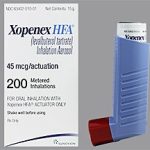

Side Effects
Nervousness, dizziness, shaking (tremor), trouble sleeping, headache, nausea, dry mouth, cough, sore throat, or runny nose may occur. If any of these effects last or get worse, tell your doctor or pharmacist promptly.
Remember that this medication has been prescribed because your doctor has judged that the benefit to you is greater than the risk of side effects. Many people using this medication do not have serious side effects.
This medication may raise your blood pressure. Check your blood pressure regularly and tell your doctor if the results are high.
Tell your doctor right away if you have any serious side effects, including: fast/pounding heartbeat.
Get medical help right away if you have any very serious side effects, including: chest pain, irregular heartbeat, rapid breathing, confusion.
Rarely, this medication has caused severe (rarely fatal), sudden worsening of breathing problems/asthma (paradoxical bronchospasm). If you experience sudden wheezing, get medical help right away.
A very serious allergic reaction to this drug is rare. However, get medical help right away if you notice any symptoms of a serious allergic reaction, including: rash, itching/swelling (especially of the face/tongue/throat), severe dizziness, trouble breathing.
This is not a complete list of possible side effects. If you notice other effects not listed above, contact your doctor or pharmacist.
What is Xopenex used for?
How should Xopenex be used?
Are there age restrictions for using Xopenex?
What should I do if I miss a dose?
Can Xopenex be used during pregnancy or while breastfeeding?
What are the possible side effects of Xopenex?
Are there any known drug interactions with Xopenex?
What are the guidelines for storing Xopenex?
What should be avoided while using Xopenex?
What happens in case of an overdose?
Uses
Levalbuterol is used to prevent and treat wheezing and shortness of breath caused by breathing problems (such as asthma, chronic obstructive pulmonary disease). It is a quick-relief drug. Levalbuterol belongs to a class of drugs known as bronchodilators. It works by relaxing the muscles around the airways so that they open up and you can breathe more easily. Controlling symptoms of breathing problems can decrease time lost from work or school.This drug is not approved for use in children younger than 4 years due to increased risk of side effects (such as unusual fast breathing, worsening asthma). Ask your doctor or pharmacist for details.
How to use Xopenex HFA Aerosol With Adapter
Read the Patient Information Leaflet provided by your pharmacist before you start using this medication and each time you get a refill. Follow the illustrated directions for the proper use of this medication and proper cleaning of the mouthpiece. If you have any questions, ask your doctor or pharmacist.
Shake the canister well before using. Follow the instructions for test sprays in the air if you are using a canister for the first time or if you have not used it for 3 days or more. A fine mist is a sign that the inhaler is working properly. Avoid spraying the medication in your eyes.
Inhale this medication by mouth as directed by your doctor, usually every 4 to 6 hours as needed. If two inhalations are prescribed, wait at least 1 minute between them. The dosage is based on your medical condition and response to treatment. Do not increase your dose or use this drug more often than prescribed without your doctor’s approval. Using too much of this medication will increase your risk of serious (possibly fatal) side effects.
Using a spacer device with the inhaler may help you use this medication properly. Ask your doctor or pharmacist for more information.
If a child is using this medication, a parent or other responsible adult may need to help the child use the inhaler properly.
If you are using other inhalers at the same time, wait at least 1 minute between the use of each medication.
Always have this quick-relief inhaler with you. Keep track of the number of inhalations you use, and discard the inhaler after you have used the labeled number of inhalations on the product package. Also count test sprays used to prime the inhaler. Do not float the metal canister in water to test if any more drug is left in the canister.
Learn which of your inhalers you should use every day (controller drugs) and which you should use if your breathing suddenly worsens (quick-relief drugs). Ask your doctor ahead of time what you should do if you have new or worsening cough or shortness of breath, wheezing, increased sputum, worsening peak flow meter readings, waking up at night with trouble breathing, if you use your quick-relief inhaler more often (more than 2 days a week), or if your quick-relief inhaler does not seem to be working well. Learn when you can treat sudden breathing problems by yourself and when you must get medical help right away.
Tell your doctor if your symptoms do not improve or if they worsen.
Precautions
Before taking levalbuterol, tell your doctor or pharmacist if you are allergic to it; or to similar drugs (such as albuterol, metaproterenol, salmeterol); or if you have any other allergies. This product may contain inactive ingredients, which can cause allergic reactions or other problems. Talk to your pharmacist for more details.
Before using this medication, tell your doctor or pharmacist your medical history, especially of: heart problems (such as irregular heartbeat, angina, previous heart attack), high blood pressure, kidney disease, seizure.
This drug may make you dizzy. Alcohol or marijuana (cannabis) can make you more dizzy. Do not drive, use machinery, or do anything that needs alertness until you can do it safely. Limit alcoholic beverages. Talk to your doctor if you are using marijuana (cannabis).
Before having surgery, tell your doctor or dentist about all the products you use (including prescription drugs, nonprescription drugs, and herbal products).
During pregnancy, this medication should be used only when clearly needed. Discuss the risks and benefits with your doctor.
It is unknown if this drug passes into breast milk. Consult your doctor before breast-feeding.
Overdose
If someone has overdosed and has serious symptoms such as passing out or trouble breathing, call 911. Otherwise, call a poison control center right away. US residents can call their local poison control center at 1-800-222-1222. Canada residents can call a provincial poison control center. Symptoms of overdose may include: chest pain, fast/pounding/irregular heartbeat, headache, shaking (tremors), nervousness, weakness, severe dizziness, seizures.
Do not share this medication with others.
Lab and/or medical tests (such as blood pressure, heart rate, EKG) may be done while you are using this medication. Keep all medical and lab appointments. Consult your doctor for more details.
Avoid allergens/irritants that can worsen breathing problems, such as smoke, pollen, pet dander, dust, or molds.
Learn to use a peak flow meter, use it daily, and promptly report worsening breathing problems (such as readings in the yellow/red range, increased use of quick-relief inhalers).
Because the flu virus can worsen breathing problems, ask your doctor or pharmacist if you should have a flu shot every year.
If you miss a dose, use it as soon as you remember. If it is near the time of the next dose, skip the missed dose. Use your next dose at the regular time. Do not double the dose to catch up.
Store at room temperature away from direct sunlight. It is best to store the inhaler with the mouthpiece down. Avoid freezing. Do not puncture the canister or expose it to high heat or open flame. Keep all medications away from children and pets.
Do not flush medications down the toilet or pour them into a drain unless instructed to do so. Properly discard this product when it is expired or no longer needed. Consult your pharmacist or local waste disposal company.
Interactions
Drug interactions may change how your medications work or increase your risk for serious side effects. This document does not contain all possible drug interactions. Keep a list of all the products you use (including prescription/nonprescription drugs and herbal products) and share it with your doctor and pharmacist. Do not start, stop, or change the dosage of any medicines without your doctor’s approval.
Levalbuterol is very similar to albuterol. Do not use inhaled medications containing albuterol while using levalbuterol.


