
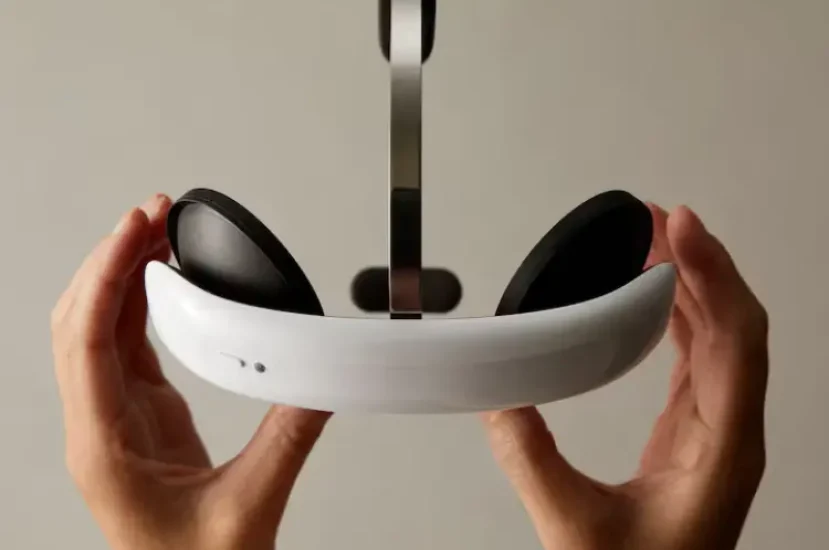
The U.S. Food and Drug Administration (FDA) has officially approved the FL-100 by Flow Neuroscience. This marks a historic milestone as the first brain stimulation device authorized for treating depression in a home setting.
How It Works
The device uses a technique called transcranial direct current stimulation (tDCS). It delivers a weak, gentle electrical current to the specific area of the brain responsible for regulating mood. While the treatment is self-administered at home, it is designed to be used under remote supervision to ensure safety and effectiveness.
Who Is It For?
The FL-100 is approved for adults aged 18 and older suffering from moderate to severe Major Depressive Disorder (MDD). It is intended for patients who are not resistant to medication. It can be used as a standalone treatment or alongside other therapies, such as antidepressants or counseling.
Promising Results
Clinical trials have shown significant success rates:
- 58% of patients achieved full remission after 10 weeks of use.
- This success included patients who were already taking medication or undergoing therapy.
- Globally, 77% of users reported an improvement in their symptoms within just three weeks.
Safety and Side Effects
The device is generally well-tolerated. Side effects are typically mild and temporary, including:
- Skin irritation
- Headaches
- A tingling sensation at the electrode sites
Note: There is a potential risk of skin burns if the electrode pads dry out or are reused improperly.
Availability and Treatment Protocol
The FL-100 will be available by prescription only. The official U.S. launch is scheduled for the second quarter of 2026. The estimated cost is between $500 and $800.
A standard course of treatment lasts 12 weeks:
- Weeks 1–3: Five sessions per week.
- Weeks 4–12: Two to three sessions per week.
Each session lasts approximately 30 minutes.
