
Key Facts
- Chemotherapy is a powerful tool that uses drugs to kill fast-growing cells. The main target is cancer.
- But, it’s not a smart bomb. It also affects other fast-growing cells, which is what causes the side effects we all know about.
- It’s almost always part of a bigger plan, often working alongside surgery or radiation.
- Chemo is given in cycles. The breaks in between are not a vacation; they are a vital part of the plan, letting your body heal and recover.
- We have to talk about fertility. This conversation needs to happen *before* you start. It’s that important.
On this page:
A Word That Changes Everything
There are moments in life that divide everything into a “before” and “after.” Getting a cancer diagnosis is one. Hearing the word “chemotherapy” is another. I’ve sat in rooms with new parents when this word has landed in their lives, either for one of them or for their own child, and I’ve felt the temperature drop. The fear is real. It’s visceral.
But I’m here to tell you, as someone who has held the hands of families walking this path, that knowledge can be a small light in that darkness. Understanding what this treatment is, why it’s used, and what you can do to manage it—that’s how you take back a piece of control when you feel like you have none.
The ‘Scorched Earth’ Approach (And Why It Works)
So what is this stuff? At its most basic, chemotherapy is a group of powerful drugs designed to do one thing: kill cells that are dividing rapidly. And what’s the defining feature of cancer cells? They divide like crazy, out of control. So chemo drugs are sent in to hunt down and destroy these fast-growing cells.
The problem is, the drugs aren’t perfectly targeted. They’re a bit like a scorched-earth policy in a war. They wipe out the enemy, but they also damage some of the surrounding landscape. What are some of the other fast-growing, healthy cells in our bodies? Hair follicles. The lining of our mouths and stomachs. The cells that make up our immune system. And suddenly, the infamous side effects of chemo—hair loss, mouth sores, nausea—start to make perfect sense. It’s the collateral damage in a necessary war.
What It’s Like: The Process of Chemo
Chemo isn’t a one-time thing. It’s a journey, given in “cycles.” You might have a treatment, and then a break for a week, two weeks, or three weeks. That break is not a luxury. It is a critical part of the process. It’s the time your healthy cells—your immune system, your stomach lining—get to rebuild and recover before the next round. It’s a grueling rhythm, but it’s a rhythm with a purpose.
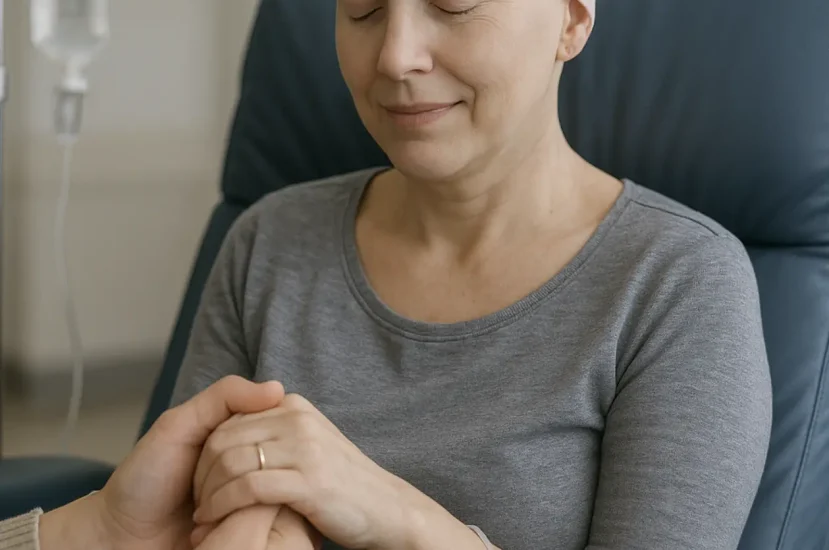
Most often, the drugs are given through an IV drip in a clinic. You sit in a chair for a few hours, then you go home. For some, it can be a daily pill. The “how” depends entirely on the type of cancer and the specific drugs being used.
The Hard Part: Let’s Talk About Side Effects
No one gets through chemo without feeling it. The fatigue can be bone-deep, a tiredness that sleep doesn’t touch. Nausea can be a constant battle. But please hear this: you are not expected to just suffer through it. We have an entire arsenal of tools to fight the side effects.
We have incredible anti-nausea medications. We have powerful pain relievers. We have special mouthwashes for sores. We even have things like “cold caps” that can help some people reduce hair loss. You must speak up. Tell your oncology nurse, tell your doctor. Be relentless in advocating for your own comfort. Managing the side effects is part of the treatment.
The Big Question We Can’t Ignore: Fertility
This is the conversation that can get lost in the whirlwind of a new diagnosis, and it’s devastating when it does. Chemo’s “scorched earth” approach can damage the fast-growing cells responsible for making eggs and sperm. Sometimes the damage is temporary. Sometimes, it’s permanent.
This is why, if there is any possibility that you might want to have children in the future, you must talk about fertility preservation *before* you start your first cycle. It means asking, “What are my options for freezing eggs or sperm?” It can feel like a strange, futuristic conversation to have when you’re just trying to survive the day, but it’s a conversation that preserves future choices.
And for my new moms who face this, we talk about chemotherapy and breastfeeding. It’s a hard road, and often breastfeeding has to be paused, but we make a plan. We support you. We get you through it. Your health, your life—that is the ultimate goal.