iMedix Medical Content Engine 3.13.37

Hello,

Sign up to join our community!

Welcome Back,

Please sign in to your account!

Forgot Password,

Lost your password? Please enter your email address. You will receive a link and will create a new password via email.

Sorry, you do not have permission to ask a question, You must login to ask a question.

Headache Types, Causes, Symptoms & Treatment

Headache

Headache
  • 0 comments

Headache

0 comments

Headache is a common condition characterized by pain in any region of the head. It ranges from a dull ache to a sharp, throbbing sensation and can be classified as a primary disorder, such as migraine or tension headache, or as a secondary symptom of another medical condition. This guide provides an informational overview of headache types, causes, and management strategies. It is not a substitute for professional medical advice, diagnosis, or treatment. Always consult a qualified healthcare provider for any health concerns.

What is a Headache?

A headache is a pain or discomfort in the head, scalp, or neck. It is one of the most prevalent medical complaints and can significantly impact daily life. Headaches are broadly categorized into two groups: primary and secondary.

Description of the Condition

Primary headaches are independent conditions caused by overactivity of, or problems with, pain-sensitive structures in the head. They are not a symptom of an underlying disease. The most common types include tension-type headache, migraine, and cluster headache.

Secondary headaches are symptoms of another health disorder that activates the pain-sensitive nerves of the head. Numerous conditions can cause them, ranging from dehydration and sinus infections to more serious issues like hypertension, meningitis, or stroke. Identifying whether a headache is primary or secondary is a crucial step in diagnosis.

Causes:
Headache pain originates from a complex interaction of signals among the brain, blood vessels, and surrounding nerves. Specific mechanisms vary by headache type. For primary headaches, the exact cause is often multifactorial and not fully understood, involving genetic predisposition and environmental triggers. Secondary headaches have a clear underlying causative condition.
  • Neurological and Vascular Dysfunction: Primary headaches like migraines are linked to abnormal brain activity affecting nerve signals, chemicals, and blood vessels. Tension-type headaches are associated with muscle contraction and heightened pain sensitivity.
  • Underlying Medical Condition: The headache is a direct symptom of another issue. Common causes include hypertension, acute sinusitis, medication overuse, dehydration, and eye strain.
  • Medication-Overuse Headache (MOH): Also known as rebound headache, this is a secondary headache caused by frequent, excessive use of pain-relief medication (like NSAIDs or triptans) for treating headache episodes. Paradoxically, the medication itself begins to trigger headaches.
Risk Factors:
Certain factors can increase an individual's likelihood of developing chronic or recurrent headaches. These factors vary depending on the type of headache but often involve genetic, environmental, and lifestyle components.
  • Family History: A family history of migraines, in particular, is a strong risk factor, suggesting a genetic component to the condition.
  • Stress and Poor Sleep: High stress levels, anxiety, irregular sleep patterns, and poor sleep quality are major triggers for tension-type headaches and migraines. Resources on managing anxiety may be relevant.
  • Use of Certain Medications: Regular use of pain relievers can lead to Medication-Overuse Headache (MOH). Additionally, some drugs, such as vasodilators used for erectile dysfunction, are known to cause headaches as a side effect. Information on this can be found in a urologist's guide to ED pill side effects.
Main Symptoms:
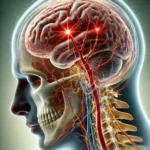
Symptoms of a headache depend on its type. Identifying the location, quality, and accompanying symptoms can help differentiate between common headache disorders. A useful approach is to consider a "pain map" of the head. Pain Location Guide: Throbbing pain in the temples often suggests Migraine. A sensation of a tight band or "helmet" around the head is typical of Tension-Type Headache. Severe pain around one eye is characteristic of Cluster Headache. Pain in the forehead or cheekbones may indicate Sinus Headache related to sinusitis.
  • Tension-Type Headache: Dull, aching, non-throbbing pain. Pressure or tightness across the forehead or at the back of the head and neck. Usually bilateral.
  • Migraine: Moderate to severe throbbing or pulsating pain, often on one side of the head. Commonly accompanied by nausea, vomiting, and sensitivity to light (photophobia) and sound (phonophobia).
  • Cluster Headache: Excruciating, sharp, burning, or piercing pain strictly around one eye. Occurs in cyclical patterns or clusters. May cause eye redness, tearing, and nasal congestion on the affected side.
  • Sinus Headach: Deep, constant pain and pressure in the cheekbones, forehead, or bridge of the nose. Pain often worsens with sudden head movement or straining. Associated with symptoms of sinusitis.
Important Signals:
Certain headache symptoms require immediate medical evaluation, as they may indicate a serious underlying condition such as stroke, meningitis, or aneurysm. This is not an exhaustive list; any new, severe, or concerning headache warrants medical attention.
  • Thunderclap Headache: A sudden, severe headache that peaks in intensity within 60 seconds, often described as "the worst headache of my life." This is a medical emergency.
  • Headache with Neurological Deficits: Headache accompanied by confusion, weakness, numbness, vision loss, difficulty speaking, or loss of balance. These can be signs of a stroke.
  • Headache After Head Injury: Any headache that begins after a trauma to the head, even if minor.
  • Headache with Systemic Symptoms: Headache with fever, stiff neck, rash, or seizures. This combination can indicate an infection like meningitis.
  • New Headache in Older Adults: A new or changed headache pattern in someone over 50, which could be related to conditions like giant cell arteritis.
Diagnosis Process:
Accurate diagnosis is essential for effective management. Diagnosis is primarily based on a detailed medical history and description of symptoms. A neurological examination is standard. Imaging or other tests are typically reserved for cases where a secondary cause is suspected based on "red flag" symptoms.
  • Medical History and Symptom Analysis: The healthcare provider will ask about headache frequency, duration, location, intensity, triggers, and associated symptoms. Keeping a headache diary can be very helpful.
  • Neurological Examination: This exam checks cranial nerves, reflexes, coordination, sensation, and muscle strength to identify any neurological abnormalities.
  • Diagnostic Imaging (if indicated): A CT scan or MRI may be ordered if the history or exam suggests a secondary cause like a tumor, bleed, or structural issue. They are not routinely needed for typical primary headaches.
Treatment Options:
Treatment depends on the headache type, frequency, and cause. It generally falls into two categories: acute (abortive) treatment to stop an ongoing attack, and preventive (prophylactic) treatment to reduce the frequency and severity of future headaches. Long-term use of pain relievers, particularly NSAIDs, requires medical supervision due to risks of gastrointestinal, renal, and cardiovascular side effects.
  • Over-the-Counter (OTC) Analgesics: For mild to moderate headaches. Includes acetaminophen, aspirin, ibuprofen, and naproxen. Safe use of common analgesives is covered in guides like this paracetamol safety guide.
  • Prescription Medications: For migraines and severe headaches. Includes triptans, ergotamines, and stronger NSAIDs like diclofenac or toradol. Use must be monitored to prevent MOH.
  • Daily Medications: For frequent headaches. Includes various classes such as beta-blockers (propranolol), anticonvulsants, antidepressants, and CGRP inhibitors.
  • Non-Pharmacological Therapies: Cognitive-behavioral therapy (CBT), biofeedback, acupuncture, and physical therapy can be effective, especially for tension-type headaches.
Immediate Actions:
For a common headache without "red flag" symptoms, initial steps can be taken at home. If symptoms are severe, atypical, or worsen, discontinue self-care and seek medical advice.
  • Rest in a Quiet, Dark Environment: Especially useful for migraines. Reducing sensory input (light, sound) can help alleviate pain.
  • Apply a Cold or Warm Compress: A cold pack on the forehead or a warm compress on the neck or shoulders can provide relief for some individuals.
  • Hydrate: Drink water, as dehydration is a common headache trigger.
  • Consider a Single Dose of OTC Pain Reliever: Use according to package instructions. Avoid frequent use. For more on responsible pain management, see this guide.
Risk Reduction Strategies:
While not all headaches are preventable, identifying and managing triggers, along with adopting healthy lifestyle habits, can significantly reduce the frequency and severity of episodes, particularly for primary headaches like migraines and tension-type headaches.
  • Maintain a Regular Sleep Schedule: Aim for consistent sleep and wake times, even on weekends. Both lack of sleep and oversleeping can trigger headaches.
  • Manage Stress Effectively: Practice relaxation techniques such as deep breathing, meditation, yoga, or progressive muscle relaxation.
  • Stay Hydrated and Eat Regularly: Avoid skipping meals, as low blood sugar can trigger headaches. Drink adequate water throughout the day.
  • Exercise Regularly: Moderate, consistent aerobic exercise can help reduce the frequency and intensity of headaches.
Prevention Possibilities:
For individuals with frequent or severe headaches, a doctor may recommend a preventive strategy beyond lifestyle changes.
  • Prophylactic Medication: As described in the treatment section, daily medications like beta-blockers (e.g., propranolol HCL) can be prescribed to prevent migraines.
  • Avoid Medication Overuse: Strictly follow prescribed limits for acute headache medications to prevent the development of Medication-Overuse Headache (MOH).
  • Identify and Avoid Personal Triggers: Common triggers include specific foods (aged cheese, processed meats), alcohol (especially red wine), caffeine withdrawal, strong smells, and weather changes. A headache diary is key for identification.

FAQs

A "regular" headache typically refers to a tension-type headache, characterized by mild to moderate, steady, bilateral pain. A migraine is a specific neurological disorder featuring moderate to severe, often throbbing, unilateral pain, usually accompanied by other symptoms like nausea, vomiting, and sensitivity to light/sound. Migraines are more disabling.
Seek immediate medical attention for a headache that is sudden and severe ("thunderclap"), is accompanied by fever/stiff neck/confusion/weakness/visual problems, follows a head injury, or represents a significant change from your usual pattern. Any new, persistent headache in an older adult should be evaluated.
Yes. Frequent, excessive use of pain-relief medication (more than 2-3 days per week) for headaches can lead to Medication-Overuse Headache (MOH), a chronic daily headache. It is crucial to use medications as directed and under medical supervision. For more on safe NSAID use, consult this guide to anti-inflammatories.
Yes. Headaches are a listed side effect of many medications. A notable example includes vasodilators used for erectile dysfunction, which can cause vascular headaches. Other drugs for blood pressure, hormones, and some psychiatric conditions may also list headache as a potential side effect.
Record the date and time of each headache, its duration, pain intensity (scale 1-10), location, quality (throbbing, dull), any triggers (food, stress, sleep), medications taken (and dosage), and effectiveness of treatment. This information is invaluable for your healthcare provider.

Additional Information

Historical Context: Headaches have been documented since ancient times. The Ebers Papyrus (circa 1500 BCE) from ancient Egypt describes headache remedies involving herbal poultices bound to the head. The modern conceptualization of migraine as a vascular disorder began in the 17th century, but current research emphasizes its complex neurological origins.

Key Fact on Pain Relief: The category of pain relief medications is diverse. It is critical to understand that drugs like etodolac or diclofenac (NSAIDs) work differently than drugs for nerve pain, such as those used for trigeminal neuralgia. Using the wrong class of medication is ineffective and potentially harmful.

Important Note on Self-Diagnosis: While informational resources are helpful, self-diagnosing headache type based on online information alone is unreliable and can be dangerous if a serious secondary cause is missed. A proper diagnosis requires a clinical evaluation by a healthcare professional.

Conclusion

Headache is a multifaceted condition with a broad spectrum of causes, from benign primary disorders to symptoms of serious medical issues. Effective management relies on accurate diagnosis, appropriate treatment—which may include both acute and preventive strategies—and lifestyle modifications. Crucially, recognizing “red flag” symptoms that necessitate immediate medical intervention is paramount for patient safety. Responsible use of medication, under the guidance of a healthcare provider, is essential to avoid complications such as Medication-Overuse Headache.

References and Medical Sources

  1. Headache Classification Committee of the International Headache Society (IHS). The International Classification of Headache Disorders, 3rd edition. Cephalalgia. 2018;38(1):1-211. doi:10.1177/0333102417738202. View source
  2. American Migraine Foundation. Migraine & Headache Disorders. https://americanmigrainefoundation.org/. Accessed May 2024.
  3. National Institute of Neurological Disorders and Stroke. Headache: Hope Through Research. https://www.ninds.nih.gov/health-information/disorders/headache. Updated November 28, 2023. Accessed May 2024.
  4. World Health Organization (WHO). Headache disorders. https://www.who.int/news-room/fact-sheets/detail/headache-disorders. Published April 8, 2016. Accessed May 2024.
  5. Mayo Clinic Staff. Headache. Mayo Clinic. https://www.mayoclinic.org/symptoms/headache/basics/definition/sym-20050800. Accessed May 2024.
  6. Ashina M, Terwindt GM, Al-Karagholi MA, et al. Migraine: disease characterisation, biomarkers, and precision medicine. Lancet. 2021;397(10283):1496-1504. doi:10.1016/S0140-6736(20)32162-0. View source
  7. U.S. Food and Drug Administration (FDA). Nonsteroidal Anti-inflammatory Drugs (NSAIDs). https://www.fda.gov/drugs/postmarket-drug-safety-information-patients-and-providers/nonsteroidal-anti-inflammatory-drugs-nsaids. Updated December 4, 2023. Accessed May 2024.
  8. Burch R. Migraine and Tension-Type Headache: Diagnosis and Treatment. Med Clin North Am. 2019;103(2):215-233. doi:10.1016/j.mcna.2018.10.003. View source

Disclaimer: The information on this site is provided for informational purposes only and is not medical advice. It does not replace professional medical consultation, diagnosis, or treatment. Do not self-medicate based on the information presented on this site. Always consult with a doctor or other qualified healthcare professional before making any decisions about your health.

  • Q&A
There are no questions!

You must login to add a comment.

Popular Questions

Top Members

Join the discussion

Comments are published after moderation. User opinions do not constitute medical advice.

We sincerely appreciate you taking the time to share your feedback. Every user's perspective is valuable to us.

Ask to get answers.

Claim your

By clicking the button below, you accept WebMD's terms of use and
privacy policy. All fields are required unless designated as optional.