
What is Infectious Intestinal Diseases?
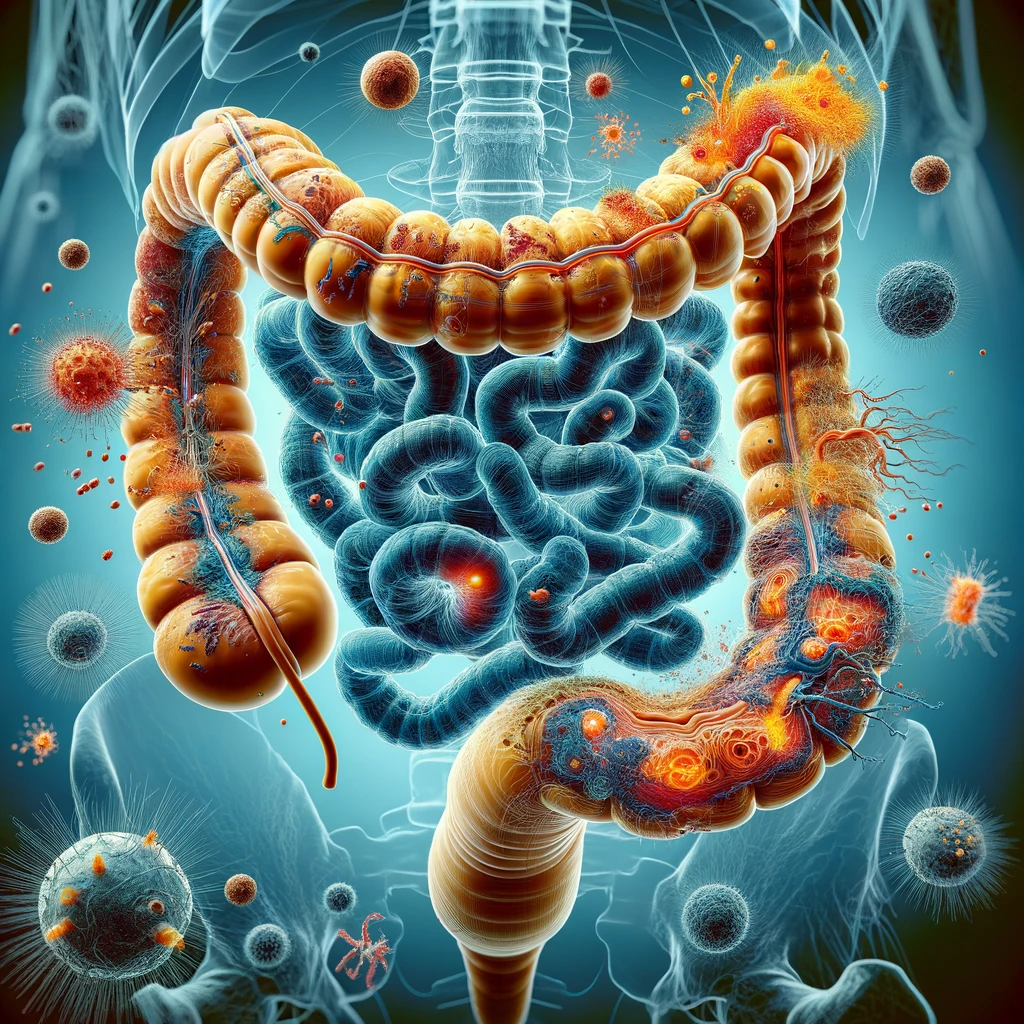
Infectious intestinal diseases refer to a collection of disorders that occur when the gastrointestinal tract is colonized by harmful microorganisms. These pathogens—which include viruses, bacteria, and parasites—adhere to the lining of the stomach and intestines, an action that provokes an acute inflammatory response from the body.
Collectively, this group of illnesses is often referred to as gastroenteritis. Key examples are categorized by the type of invading organism, such as viral gastroenteritis caused by norovirus, bacterial infections like salmonellosis, or parasitic diseases like giardiasis.
Causes:The development of an infectious intestinal disease begins when a sufficient quantity of a pathogenic microorganism is introduced into the body. These pathogens gain entry through several distinct transmission pathways, all of which ultimately lead to the contamination of the digestive tract.
- Ingestion of Contaminated Foodstuffs: This occurs when food is improperly handled, undercooked, or has come into contact with raw products carrying germs. Bacteria like Salmonella or Campylobacter can multiply on food to infectious levels before it is eaten.
- Consumption of Tainted Water: Pathogens can pollute water sources, from community supplies to recreational bodies of water, often through contamination with human or animal waste. Drinking this water introduces organisms like Giardia or norovirus directly into the gut.
- Direct Fecal-Oral Spread: This common pathway involves the transfer of microscopic particles of stool from an infected person to the mouth of another. It frequently results from inadequate handwashing after using the toilet or changing diapers, which then contaminates hands and surfaces.
- Zoonotic Transmission: Certain intestinal pathogens are carried by animals and can be passed to humans. This transfer can happen through direct contact with an infected animal, such as a farm animal or pet reptile, or by interacting with its environment.
While anyone can contract an intestinal infection, certain groups face a greater likelihood of getting sick or experiencing a more severe illness. The following populations and circumstances are associated with increased vulnerability.
- Age Extremes: Infants, whose immune systems are not fully developed, and the elderly, who may have declining immunity, are more susceptible to infection. These groups are also at the highest risk for developing severe complications, especially dehydration.
- Compromised Immune Function: Any individual with a suppressed immune response faces heightened danger. This includes those with HIV/AIDS, patients undergoing cancer treatment, or people taking immunosuppressant drugs following an organ transplant.
- Congregate Living Situations: Environments where many people live or gather in close proximity, such as childcare centers, long-term care facilities, and college dormitories, facilitate the rapid person-to-person spread of intestinal pathogens.
- International Travelers: Journeys to regions with different water treatment and food safety standards can expose individuals to unfamiliar bacteria and viruses, a common scenario leading to traveler's diarrhea.
- Reduced Stomach Acidity: The stomach's natural acidity serves as a crucial defense against ingested microbes. Individuals using medications that lower stomach acid, such as proton pump inhibitors (PPIs), have a diminished barrier, increasing their vulnerability to infection.


