
iMedix Medical Content Engine 3.13.37

Hello,

Sign up to join our community!

Welcome Back,

Please sign in to your account!

Forgot Password,

Lost your password? Please enter your email address. You will receive a link and will create a new password via email.

Sorry, you do not have permission to ask a question, You must login to ask a question.

Listeriosis: Food Contamination Causes & Risk Groups - iMedix

Listeriosis

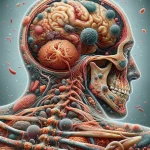
An abstract illustration of Listeriosis
  • 0 comments

Listeriosis

0 comments

Listeriosis is a serious infection resulting from the consumption of food contaminated with the bacterium Listeria monocytogenes. While it can cause intestinal sickness, its primary danger lies in its ability to become an invasive illness, spreading through the bloodstream to other parts of the body. This systemic infection requires immediate medical attention due to its potential for severe, life-threatening consequences.

What is Listeriosis?

The illness known as listeriosis originates from the bacterium Listeria monocytogenes, an organism uniquely adapted to survive in various environments, including refrigerated temperatures. Listeriosis manifests in two principal forms. The first is a non-invasive gastrointestinal illness, which remains confined to the gut and produces symptoms similar to common food poisoning.

The second, and far more dangerous, form is invasive listeriosis. In this state, the bacteria breach the intestinal wall, enter the bloodstream, and spread throughout the body. This systemic infection can cross protective physiological barriers, allowing it to target the central nervous system, where it can cause meningitis or encephalitis. In pregnant individuals, the bacteria can cross the placental barrier, leading to infection of the fetus, which can result in miscarriage, stillbirth, or severe illness in the newborn.

Causes:
Listeriosis is caused by a chain of events that begins with the bacterium's presence in the environment and ends with its successful invasion of the human body. The infection is not spread between people but is acquired through the following process:
  • Environmental Persistence of the Bacterium: The ultimate origin is the bacterium Listeria monocytogenes itself, which is a hardy and widespread organism. It naturally resides in soil, decaying vegetation, and water, and can be carried in the intestinal tracts of various animals, creating a vast and persistent reservoir in nature.
  • Introduction into the Food Chain: Contamination is the critical step that introduces the bacterium to humans. This can happen at the farm level when raw produce comes into contact with contaminated soil or water, or within a food processing facility where the organism can establish itself and form biofilms on equipment, leading to the contamination of ready-to-eat products like deli meats, soft cheeses, and packaged salads.
  • Oral Ingestion of the Pathogen: The infection is initiated when an individual consumes a food product carrying a sufficient quantity of Listeria. A key part of its causal mechanism is its ability to survive the highly acidic environment of the stomach, a barrier that eliminates many other types of bacteria, allowing it to pass into the intestines unharmed.
  • Penetration of the Intestinal Barrier: Once in the intestines, Listeria actively triggers its own engulfment by the cells lining the intestinal wall. After it is inside these host cells, it uses the cell's own structural components to propel itself into neighboring cells, effectively breaching the intestinal barrier and gaining direct access to the bloodstream, which then allows it to spread systemically.
Risk Factors:
While any person can become sick from eating contaminated food, the risk of developing a severe, invasive listeriosis infection is overwhelmingly concentrated in specific populations. The following groups are profoundly more vulnerable to the dangerous, systemic form of this disease.
  • Pregnant Individuals and Their Newborns: This group is uniquely susceptible. A pregnant person may only experience a mild, flu-like illness, but the Listeria bacteria can cross the placenta and infect the developing fetus, potentially causing life-threatening complications for the baby.
  • Adults Aged 65 and Older: The natural decline of the immune system's effectiveness that occurs with aging makes older adults less capable of fighting off an initial Listeria exposure, allowing the infection to more easily become invasive.
  • Individuals with Compromised Immune Systems: Anyone whose immune defenses are significantly weakened is at high risk. This includes people undergoing cancer chemotherapy, individuals who have received an organ transplant and are on anti-rejection medications, and those with conditions like HIV/AIDS.
  • People with Certain Underlying Medical Conditions: The presence of other serious health issues can increase susceptibility. This includes individuals with advanced kidney disease, liver disease, or poorly controlled diabetes, as these conditions compromise the body's overall ability to mount a strong defense against infection.

Commonly Used Medications for Listeriosis

Invasive listeriosis requires aggressive treatment with intravenous antibiotics, typically in a hospital. The specific regimen is determined by a physician based on the patient’s condition.

  • Ampicillin: This penicillin-class antibiotic is the primary therapeutic agent used to directly attack and kill the Listeria monocytogenes bacterium.
  • Gentamicin: This medication is frequently added to ampicillin to create a synergistic combination that enhances the bactericidal effect, particularly in severe infections of the bloodstream or central nervous system.
  • Trimethoprim/sulfamethoxazole: This combination antibiotic serves as the main alternative treatment for patients who have a significant allergy to penicillin-based drugs.

Where to Find More Information?

For up-to-date facts about listeriosis, food safety recalls, and prevention strategies, consult these public health authorities.

Support

Support for listeriosis is centered on urgent medical intervention and understanding preventative measures to avoid future exposure.

  • Immediate Medical Consultation and Hospital Care: The most crucial support is seeking immediate medical evaluation for any symptoms of invasive listeriosis, which typically leads to hospitalization for intensive antibiotic therapy and monitoring.
  • Food Safety Education and Practices: A key supportive action is learning and implementing safe food handling guidelines, such as avoiding high-risk foods (especially for vulnerable groups), thoroughly cooking raw foods, and preventing cross-contamination.
  • Infectious Disease Specialist Consultation: Management of a confirmed invasive listeriosis case is often guided by an infectious disease specialist who can tailor the complex antibiotic treatment to the individual patient.

Disclaimer: The information on this site is provided for informational purposes only and is not medical advice. It does not replace professional medical consultation, diagnosis, or treatment. Do not self-medicate based on the information presented on this site. Always consult with a doctor or other qualified healthcare professional before making any decisions about your health.

  • Q&A
There are no questions!

You must login to add a comment.

Popular Questions

Top Members

Join the discussion

Comments are published after moderation. User opinions do not constitute medical advice.

We sincerely appreciate you taking the time to share your feedback. Every user's perspective is valuable to us.

Ask to get answers.

Claim your

By clicking the button below, you accept WebMD's terms of use and
privacy policy. All fields are required unless designated as optional.