
iMedix Medical Content Engine 3.13.37

Hello,

Sign up to join our community!

Welcome Back,

Please sign in to your account!

Forgot Password,

Lost your password? Please enter your email address. You will receive a link and will create a new password via email.

Sorry, you do not have permission to ask a question, You must login to ask a question.

Non-tuberculous mycobacterial infections: Causes & Risks - iMedix

Non-tuberculous mycobacterial infections

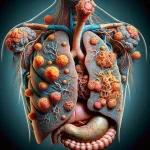
An abstract illustration of Non Tuberculous Mycobacterial Infections
  • 0 comments

Non-tuberculous mycobacterial infections

0 comments

Non-tuberculous mycobacterial (NTM) infections encompass a wide spectrum of diseases caused by environmental bacteria. Unlike the related organism that causes tuberculosis, these mycobacteria are not typically contagious and most often target the pulmonary system. An NTM infection can result in chronic lung damage and persistent, challenging symptoms. The severity of the illness is highly dependent on the specific bacterial species and the patient’s immune defenses.

What is Non-tuberculous Mycobacterial Infections?

Non-tuberculous mycobacterial (NTM) infections are illnesses resulting from a large and diverse group of bacteria naturally present in soil, dust, and water systems. These organisms belong to the same family as the bacterium responsible for tuberculosis, but they represent distinct species that do not cause that specific disease. NTM bacteria are considered opportunistic pathogens, meaning they typically only cause illness in susceptible individuals.

The most frequent presentation is pulmonary NTM disease, where the bacteria colonize and damage the lungs, often leading to inflammation and the formation of nodules or cavities. While the lungs are the primary target, NTM can sometimes cause infections in other parts of the body, such as the skin, soft tissues, or lymph nodes, particularly in people with severely compromised immune systems. The most common group of bacteria causing pulmonary NTM disease is the Mycobacterium avium complex (MAC).

Causes:
An NTM infection is not passed from person to person. Instead, it develops when an individual comes into contact with the mycobacteria in the environment and their body is unable to clear it. The direct causes for the establishment of an infection include the following points:
  • Environmental Exposure: The fundamental cause is direct contact with NTM bacteria, which are abundant in the natural world. They thrive in water sources like lakes and rivers, as well as in soil, household dust, and municipal water supplies.
  • Inhalation of Aerosolized Bacteria: For pulmonary NTM, the most common form, the infection begins when a person breathes in microscopic droplets of water or particles of dust that contain the bacteria. Common sources of these aerosols include showerheads, hot tubs, and indoor swimming pools.
  • Formation of Biofilms: NTM bacteria are adept at creating biofilms, which are slimy, protective layers that allow them to stick to surfaces. These biofilms frequently form inside plumbing pipes and fixtures, creating a persistent reservoir from which bacteria can be released into the water stream.
  • Breach of Physical Barriers: In non-pulmonary cases, the infection can be initiated when the bacteria enter the body through a break in the skin, such as a cut or scrape, or during a surgical procedure with contaminated instruments.
Risk Factors:
While NTM bacteria are common in the environment, only a small fraction of exposed people develop an active infection. Susceptibility is strongly linked to specific health conditions and physical traits that make the body, particularly the lungs, a more hospitable environment for these bacteria to thrive.
  • Underlying Structural Lung Conditions: The presence of pre-existing lung damage significantly increases vulnerability. Conditions such as bronchiectasis, which involves permanently widened and damaged airways, or Chronic Obstructive Pulmonary Disease (COPD), prevent the effective clearance of mucus and trapped particles, allowing NTM to colonize.
  • Weakened Immune Defenses: Any condition or treatment that suppresses the immune system raises the risk of NTM infection. This includes individuals with autoimmune disorders, those taking immunosuppressant medications after an organ transplant, and people undergoing chemotherapy.
  • Certain Physical Traits: A particular risk profile has been identified, especially in postmenopausal women, that includes a slender body build, scoliosis (curvature of the spine), or a concave chest wall (pectus excavatum). These characteristics can alter the anatomy of the chest cavity and affect how the lungs function.
  • Tobacco Use: Smoking directly damages the lung's natural defense mechanisms, including the cilia, which are tiny hair-like structures responsible for sweeping out debris. This impairment makes it easier for inhaled NTM bacteria to establish a foothold.

Commonly Used Medications for Non-tuberculous Mycobacterial Infections

Treatment for NTM infections is lengthy and typically involves a combination of several drugs. The following are core components of many treatment regimens, and they must be prescribed and monitored by a specialist.

  • Azithromycin: This antibiotic is a cornerstone of NTM treatment, working to inhibit the bacteria’s ability to produce essential proteins.
  • Ethambutol: This medication is used in combination with other drugs to prevent the mycobacteria from constructing their protective outer layer.
  • Rifampin: This drug functions by blocking a key enzyme that NTM bacteria need to replicate their genetic material and multiply.

Where to Find More Information?

For more detailed and comprehensive information, these organizations provide reliable, up-to-date resources on NTM diseases.

Support

Managing a chronic infection like NTM involves more than just medication; emotional and physical support are key.

  • NTM-Specific Patient Networks: Connecting with organized patient networks, either online or in-person, provides a platform for sharing treatment experiences and emotional encouragement.
  • Pulmonary Therapy Programs: Participation in a structured pulmonary therapy program can help manage symptoms like shortness of breath and improve physical endurance through guided exercise and respiratory strategies.
  • Expert Medical Team Communication: Establishing clear and open communication with your infectious disease or pulmonary specialist is crucial for navigating the long and complex treatment regimens associated with NTM.

Disclaimer: The information on this site is provided for informational purposes only and is not medical advice. It does not replace professional medical consultation, diagnosis, or treatment. Do not self-medicate based on the information presented on this site. Always consult with a doctor or other qualified healthcare professional before making any decisions about your health.

  • Q&A
There are no questions!

You must login to add a comment.

Popular Questions

Top Members

Join the discussion

Comments are published after moderation. User opinions do not constitute medical advice.

We sincerely appreciate you taking the time to share your feedback. Every user's perspective is valuable to us.

Ask to get answers.

Claim your

By clicking the button below, you accept WebMD's terms of use and
privacy policy. All fields are required unless designated as optional.