
What is Periodontosis?
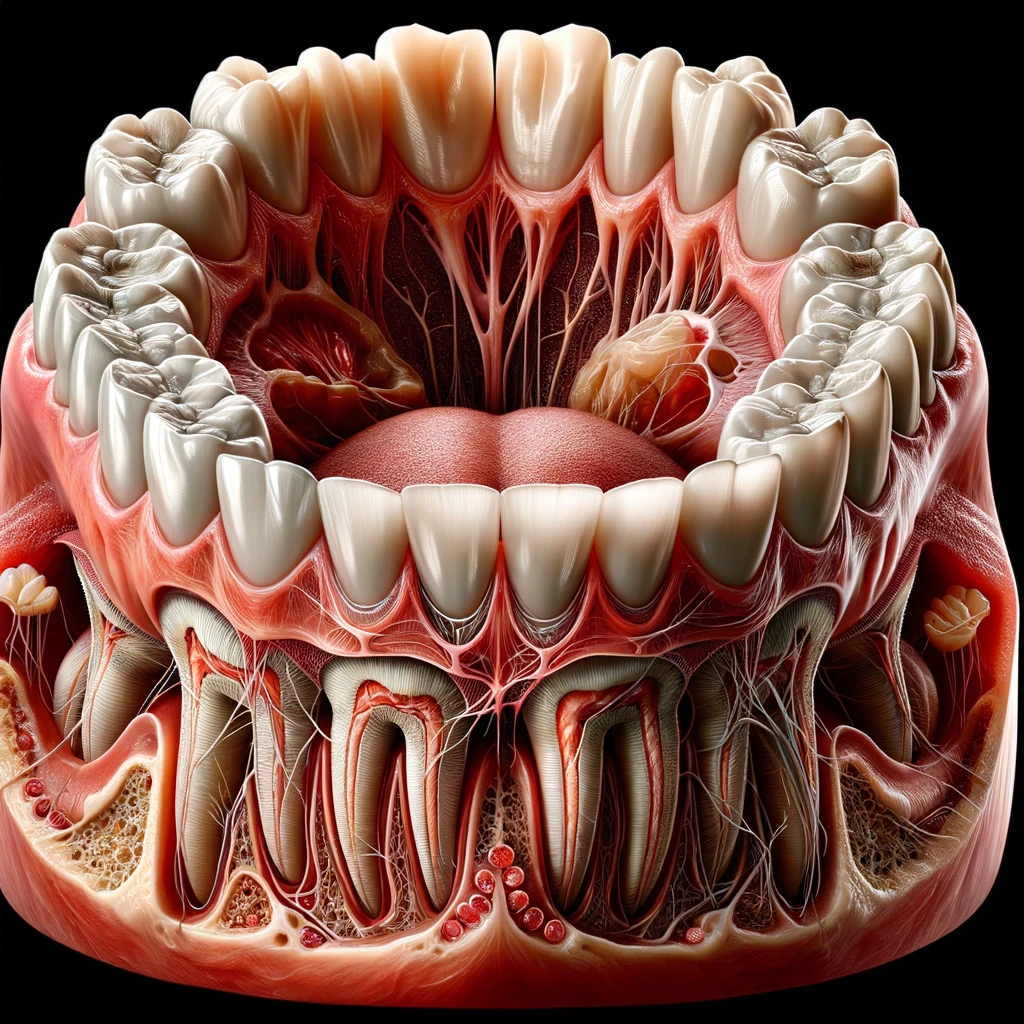
Periodontosis describes a condition of profound and rapid deterioration of the tooth’s supportive framework. This process specifically targets the periodontal ligament—the dense network of fibers that connects a tooth’s root to the jaw—and the alveolar bone, which is the specialized bone that encases and supports the tooth sockets. Unlike the more slowly developing forms of gum disease, periodontosis is marked by an aggressive breakdown of these vital tissues. This leads to the formation of deep pockets between the gums and teeth and a swift loss of the structural foundation that is essential for dental stability.
Causes:The profound tissue destruction seen in periodontosis is driven by a convergence of specific bacterial activity and an individual's unique immune reaction. The primary mechanisms are:
- Invasion by Hyper-Virulent Microbes: This condition is not caused by generic dental plaque. It is strongly associated with specific, highly aggressive bacteria, such as Aggregatibacter actinomycetemcomitans. These particular microbes are not just surface-dwellers; they can actively penetrate the soft gum tissues and produce potent toxins (leukotoxins) that specifically target and destroy white blood cells, disabling the body's first line of defense.
- A Dysregulated Inflammatory Cascade: In response to this specific bacterial invasion, the host's immune system initiates an inflammatory response that is disproportionately destructive. The body floods the area with immune cells that release powerful enzymes. Instead of solely targeting the bacteria, these enzymes indiscriminately begin to dismantle the body's own structures, breaking down the collagen fibers of the periodontal ligament and triggering the resorption of the alveolar bone.
- Inherited Immune System Vulnerability: Evidence strongly suggests a genetic component to periodontosis. Certain individuals appear to inherit a predisposition for their immune system to overreact to periodontal bacteria. Their genetic makeup may dictate a more intense or poorly controlled inflammatory response, meaning their body's attempt to fight the infection results in far more "collateral damage" to the tooth-supporting structures than in the general population.
The development of this aggressive form of periodontal disease is not random; it is strongly linked to a person's age and genetic makeup. The risk is most concentrated in the following groups:
- Adolescents and Young Adults: Unlike more common forms of gum disease, periodontosis frequently emerges during the teenage years or in early adulthood. This onset often coincides with periods of hormonal change that can influence the body's inflammatory responses.
- Individuals with a Relevant Family History: The condition has a very strong hereditary component. A person with parents or siblings who experienced early, severe tooth loss has a significantly greater chance of inheriting the specific immune system characteristics that lead to this disease.
- People of Certain Ethnic Origins: Epidemiological studies have consistently shown that this aggressive periodontal disease is more prevalent in some ethnic populations, particularly among individuals of African descent, pointing to a distinct genetic susceptibility.
- Tobacco Users: The act of smoking drastically increases both the risk and the severity of periodontosis. It impairs the blood supply to the gums, hindering the immune system's ability to function correctly, and it amplifies the destructive inflammatory processes that dissolve bone.


