
iMedix Medical Content Engine 3.13.37

Hello,

Sign up to join our community!

Welcome Back,

Please sign in to your account!

Forgot Password,

Lost your password? Please enter your email address. You will receive a link and will create a new password via email.

Sorry, you do not have permission to ask a question, You must login to ask a question.

Psittacosis (ornithosis): Causes, Transmission & Risks - iMedix

Psittacosis (ornithosis)

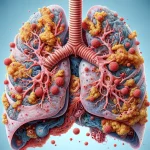
An abstract illustration of Psittacosis
  • 0 comments

Psittacosis (ornithosis)

0 comments

Psittacosis is a relatively uncommon infectious disease that humans can acquire through contact with infected birds. This illness primarily affects the respiratory system, leading to a form of pneumonia that can range in severity from mild to life-threatening. While the infection can be serious, it typically responds well to appropriate antibiotic therapy when diagnosed correctly.

What is Psittacosis (ornithosis)?

Psittacosis, which is also referred to as ornithosis or parrot fever, is a zoonotic disease, meaning it is an illness transmitted from animals—specifically birds—to people. The condition is produced by an infection with Chlamydia psittaci, a type of intracellular bacterium. This particular organism is distinct from the chlamydial strains that are responsible for the common sexually transmitted infection in humans.

The disease characteristically manifests as an atypical pneumonia, where the infection settles in the lungs and provokes inflammation. While the lungs are the main target, the infection can sometimes spread through the bloodstream, leading to systemic effects that can involve other organs like the liver and spleen.

Causes:
Psittacosis is an infection acquired directly from an avian source; it does not spread from one person to another. The illness is initiated when a specific bacterium is successfully transferred from a bird to a human through environmental exposure, following these steps:
  • The Avian Reservoir: The foundational source of the infection is a bird carrying the bacterium Chlamydia psittaci. Parrots, cockatiels, parakeets, and macaws are common carriers, but pigeons and poultry can also host the organism, often without showing any outward signs of being sick.
  • Release of the Bacterium: Infected birds shed the bacteria into their surroundings through their droppings (feces) and respiratory secretions. The organism is present in both wet and dry droppings and can also be found in the fine dust that is shed from their feathers.
  • Environmental Aerosolization: When the bird's droppings or secretions dry out, the bacteria within them become part of fine, airborne dust particles. Activities such as cleaning a birdcage, or even the bird's own flapping and movement, can disturb this dried material and suspend it in the air.
  • Inhalation by a Human Host: The infection in humans is triggered by breathing in these aerosolized, bacteria-laden particles. Once inhaled, the bacteria lodge deep within the lungs and begin to replicate, leading to the onset of pneumonia. In rarer instances, the bacteria can be transmitted through a bird's bite.
Risk Factors:
The risk of contracting psittacosis is almost entirely determined by a person's level and type of exposure to birds. While the general population has a very low risk, the following groups have a significantly increased likelihood of coming into contact with the Chlamydia psittaci bacterium.
  • Owners of Pet Birds: Individuals who keep pet birds in their homes, especially species like parrots, macaws, cockatiels, and parakeets, are the most commonly affected group due to their close and frequent proximity to these potential carriers.
  • Workers in Avian-Related Occupations: Anyone whose job involves routine, close contact with birds is at elevated risk. This includes veterinarians, veterinary technicians, employees of pet shops, and staff at poultry processing plants.
  • Aviculturists and Bird Breeders: People who are involved in the large-scale breeding, raising, or trading of birds are at particular risk. Their work often involves managing large flocks in confined spaces, which can increase the concentration of airborne bacteria.
  • Individuals with Compromised Immunity: While not a risk for exposure, having a weakened immune system puts a person at greater risk of developing a severe illness if they do become infected. Their bodies are less equipped to fight off the initial bacterial invasion.

Commonly Used Medications for Psittacosis (ornithosis)

Psittacosis is a bacterial infection that requires a specific course of antibiotic treatment prescribed by a doctor. Prompt treatment is crucial for recovery.

  • Doxycycline: This tetracycline-class antibiotic is the primary treatment of choice, functioning by blocking the bacteria’s ability to create the proteins needed to multiply.
  • Tetracycline Hydrochloride: This is an alternative tetracycline antibiotic that also works effectively to halt the growth of the Chlamydia psittaci bacteria.
  • Azithromycin: A macrolide antibiotic that is often used as an alternative treatment, particularly for children or pregnant individuals for whom tetracyclines are not recommended.

Where to Find More Information?

For authoritative facts regarding psittacosis, its transmission from birds, and prevention, consult these public health and medical resources.

Support

Support for psittacosis involves coordinated medical and veterinary care, along with strong preventative practices.

  • Infectious Disease Consultation: Seeking care from a physician, and potentially an infectious disease specialist, is essential for a correct diagnosis and to ensure the most effective antibiotic treatment is administered.
  • Veterinary Assessment of Pet Birds: A critical support step is having any pet birds evaluated by a veterinarian to confirm if they are the source of the infection, which is necessary for treatment and to prevent reinfection.
  • Guidance on Safe Handling Practices: Learning and implementing safe bird-handling and cage-cleaning protocols, such as wearing gloves and masks and ensuring good ventilation, is a key support measure for preventing future exposure.

Disclaimer: The information on this site is provided for informational purposes only and is not medical advice. It does not replace professional medical consultation, diagnosis, or treatment. Do not self-medicate based on the information presented on this site. Always consult with a doctor or other qualified healthcare professional before making any decisions about your health.

  • Q&A
There are no questions!

You must login to add a comment.

Popular Questions

Top Members

Join the discussion

Comments are published after moderation. User opinions do not constitute medical advice.

We sincerely appreciate you taking the time to share your feedback. Every user's perspective is valuable to us.

Ask to get answers.

Claim your

By clicking the button below, you accept WebMD's terms of use and
privacy policy. All fields are required unless designated as optional.