
iMedix Medical Content Engine 3.13.37

Hello,

Sign up to join our community!

Welcome Back,

Please sign in to your account!

Forgot Password,

Lost your password? Please enter your email address. You will receive a link and will create a new password via email.

Sorry, you do not have permission to ask a question, You must login to ask a question.

Lamisil: Uses, dosage, side effects, warnings & patient reviews

Lamisil

Lamisil

Lamisil

Terbinafine hydrochloride
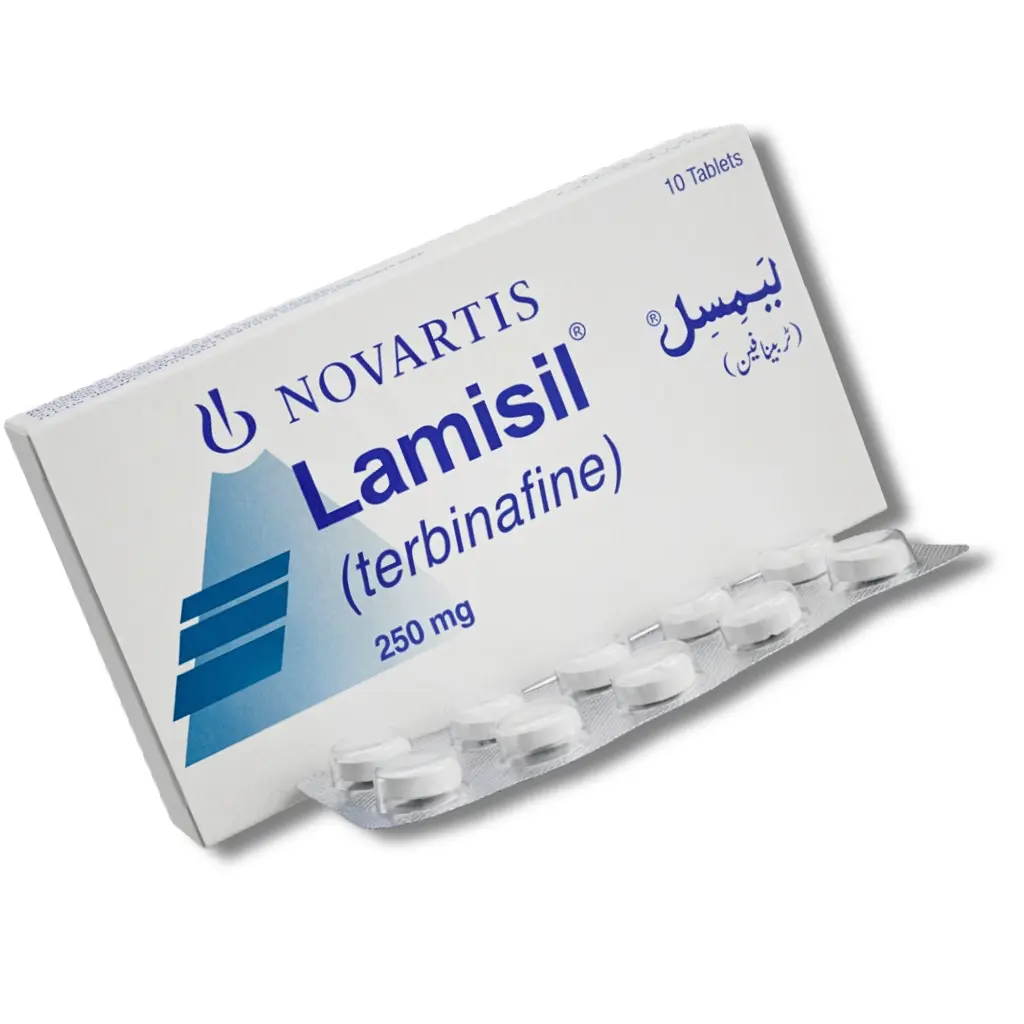
Lamisil is an antifungal medication containing the active ingredient terbinafine. It is available in oral tablet and topical cream forms. The oral medication is prescribed for fungal infections of the fingernails and toenails (onychomycosis), while topical formulations are used for superficial skin infections such as athlete's foot, jock itch, and ringworm.
  • ActiveIngredient: Terbinafine hydrochloride
  • DosageForm: Oral tablets, topical cream, topical gel, and topical spray.
  • Dosage: Tablets: 250 mg. Topical formulations: 1%.
  • Indications: Onychomycosis of the toenail or fingernail due to dermatophytes (Tinea unguium); Tinea pedis (athlete's foot); Tinea cruris (jock itch); Tinea corporis (ringworm).
  • Manufacturer: Novartis Pharmaceuticals (Brand); generic manufacturers include Teva Pharmaceuticals, Aurobindo Pharma, and Camber Pharmaceuticals.
  • Storage: Store tablets at 25°C (77°F); excursions permitted to 15°C–30°C (59°F–86°F). Protect from light and keep in a tight container. Store topical formulations at room temperature.
  • Drug Status: Prescription Only

What is Lamisil (Terbinafine)?

Lamisil is the brand name for the antifungal medication terbinafine. It belongs to the allylamine class of antifungals within the broader anti-fungal drug category. Terbinafine works by inhibiting a key enzyme (squalene epoxidase) in fungal cell membranes, leading to a deficiency of ergosterol and accumulation of squalene, which results in fungal cell death.

This fungicidal action makes it effective against dermatophytes, the fungi most commonly responsible for skin and nail infections.

Available Forms

  • Lamisil Tablets: Prescription-only oral tablets, typically 250 mg.
  • Lamisil Cream/Lamisil AT: Over-the-counter topical antifungal cream, gel, or spray used for skin infections and often included in general skincare regimens for fungal conditions.

How to Take Lamisil

Administration instructions differ significantly between oral and topical formulations. It is critical to use the medication exactly as prescribed by a healthcare provider and for the full duration of treatment, even if symptoms improve earlier.

Oral Tablets (Lamisil)

Lamisil tablets should be swallowed whole with water. They can be taken with or without food. For the treatment of toenail fungus, the typical course is one 250 mg tablet daily for 12 weeks. For fingernail fungus, the course is typically 6 weeks. Do not stop treatment early without consulting your doctor, as this can lead to treatment failure and recurrence of the infection.

Topical Creams/Sprays (Lamisil AT)

Topical terbinafine is applied directly to the affected and surrounding clean, dry skin areas, usually once or twice daily as directed. It is important to wash hands before and after application. Treatment duration for skin infections like athlete’s foot is typically 1 to 2 weeks, and may continue for 1 to 2 weeks after symptoms clear to prevent recurrence.

Side Effects of Lamisil

Side effect profiles differ between oral and topical terbinafine. Oral administration is associated with more systemic side effects, while topical use typically causes only local reactions.

Side Effects of Lamisil (Terbinafine)
FrequencySide Effects (Oral)Side Effects (Topical)
CommonHeadache, gastrointestinal disturbances (nausea, diarrhea, abdominal pain), taste disturbance (dysgeusia), rash, itching (pruritus).Irritation, itching, burning, redness, or dryness at the application site.
Serious (Seek Medical Help)
  • Liver problems: Symptoms include persistent nausea, loss of appetite, fatigue, yellowing of the skin or eyes (jaundice), dark urine, or pale stools.
  • Severe skin reactions: Such as Stevens-Johnson Syndrome (rash with blistering and peeling).
  • Persistent loss of taste or smell.
  • Unexplained muscle pain or weakness.
  • Signs of low white blood cell count (e.g., fever, sore throat, mouth ulcers).
  • Depressive symptoms or changes in mood.
Severe allergic reactions (hives, difficulty breathing, swelling). Worsening of the infection or lack of improvement.

Note: Topical formulations have minimal systemic absorption and therefore a lower risk of the serious side effects listed for oral therapy.

What is Lamisil Used For?

Lamisil (terbinafine) is indicated for the treatment of infections caused by susceptible fungi (dermatophytes). Its use is dictated by the formulation.

Oral Lamisil Tablets (Prescription)

  • Onychomycosis: Treatment of fungal infections of the toenails or fingernails (lamisil for toenail fungus, lamisil for nail fungus).

Topical Lamisil AT (Over-the-Counter)

  • Tinea pedis: Treatment of athlete’s foot.
  • Tinea cruris: Treatment of jock itch.
  • Tinea corporis: Treatment of ringworm.
  • Treatment of other superficial dermatophyte infections, which are types of uncomplicated skin and skin structure infections.

Interactions Alcohol:

Unsafe
Consumption of alcohol is not recommended during oral Lamisil therapy. Both alcohol and terbinafine can stress the liver. The combined effect may increase the risk of hepatotoxicity, particularly in individuals with a history of chronic alcoholism or underlying liver disease.

Interactions Other Medications:

Consult your doctor
Terbinafine is a potent inhibitor of the liver enzyme CYP2D6. It can significantly increase blood levels of drugs metabolized by this pathway. Important interactions include:
  • Beta-blockers: Such as propranolol (Inderal), potentially leading to excessive slowing of the heart rate.
  • Tricyclic Antidepressants (TCAs): Such as amitriptyline, increasing the risk of TCA toxicity (e.g., arrhythmias, severe dry mouth, confusion).
  • SSRI Antidepressants: Such as fluoxetine and paroxetine.
  • Antiarrhythmics: Such as flecainide and propafenone.
A comprehensive review of all medications (prescription, OTC, and herbal) with a healthcare provider is mandatory before starting oral terbinafine.

Special Groups Pregnancy:

Consult your doctor
The use of oral terbinafine during pregnancy is not generally recommended unless the potential benefit justifies the potential risk to the fetus. Topical use is considered low risk due to minimal absorption. Decisions should be made in consultation with a healthcare provider, referencing general guidance on medicines in pregnancy.

Special Groups Breastfeeding:

Consult your doctor
Terbinafine is excreted in breast milk. The decision to use oral terbinafine while breastfeeding should be made by a healthcare provider weighing the benefits against potential risks to the infant. Topical application to limited areas is unlikely to pose significant risk.

Special Groups Elderly:

Use with caution
Elderly patients may have reduced renal or hepatic function. While no specific dosage adjustment is routinely recommended, careful consideration of the patient's overall health status and organ function is advised before prescribing oral terbinafine.

Special Groups Children:

Safe if prescribed
Oral terbinafine is not typically first-line for children, but may be prescribed for certain fungal infections when the benefit outweighs the risk. Dosing is based on weight. Topical terbinafine is commonly used in children for superficial skin infections.

Effects on Activities Driving:

Use with caution
Oral Lamisil may cause dizziness or visual disturbances in some individuals. Patients should be cautious when driving or operating machinery until they know how the medication affects them.

Effects on Activities Operating Machinery:

Use with caution
The same caution as for driving applies. Any experience of dizziness, vertigo, or visual changes warrants avoiding hazardous activities.

Important Safety Concerns and Considerations

Hepatotoxicity (Liver Damage)

Oral terbinafine has been associated with rare cases of serious liver failure, sometimes requiring transplant or leading to death. This can occur in patients with and without pre-existing liver disease. Symptoms may resemble those of hepatitis, including nausea, fatigue, jaundice, and dark urine. Baseline liver function tests (LFTs) are recommended before starting oral therapy, and treatment should be discontinued if biochemical evidence of liver injury develops.

Taste and Smell Disturbance

A partial or complete loss of taste (ageusia or dysgeusia) is a relatively common side effect of oral terbinafine. It is usually reversible upon discontinuation but can persist for months or, in rare cases, be permanent. This can affect nutrition and oral health, relating to issues of oral cavity health.

Serious Skin Reactions and Psoriasis

Severe cutaneous adverse reactions (SCARs), including Stevens-Johnson Syndrome and toxic epidermal necrolysis, have been reported. Terbinafine may also induce or exacerbate pre-existing psoriasis or cause psoriasiform eruptions. The drug should be discontinued if a progressive skin rash develops.

Hematologic Effects

Rare cases of neutropenia (low white blood cells), including agranulocytosis, have been reported. This can increase susceptibility to serious infections, potentially progressing to conditions like septicemia. Patients should be advised to report any signs of infection, such as fever or sore throat.

Depressive Symptoms

Depression, anxiety, and other mood changes have been reported during post-marketing surveillance of oral terbinafine use. Patients should be monitored for changes in mood or behavior. More information can be found in the depression drug category resources.

Critical Warnings for Lamisil Use

Liver Function Monitoring

Baseline liver enzyme tests (ALT, AST) are recommended for all patients prior to initiating oral Lamisil therapy. Healthcare providers should consider monitoring in patients taking terbinafine for more than six weeks. Therapy should be immediately discontinued if symptomatic or biochemical evidence of liver injury occurs.

Contraindication in Chronic or Active Liver Disease

Oral Lamisil is contraindicated in patients with chronic or active liver disease. The risk of severe hepatotoxicity outweighs the potential benefit in this population.

Management of Skin Rash

If a progressive skin rash occurs, which may be indicative of a severe cutaneous adverse reaction, terbinafine should be discontinued immediately and medical attention sought.

Monitoring in Patients with Immunodeficiency

In patients with known or suspected immunodeficiency, complete blood count (CBC) monitoring should be considered if treatment with oral terbinafine exceeds six weeks due to the potential risk of blood dyscrasias.

Lamisil Dosage Information

Dosage must be individualized by a healthcare provider based on infection type, patient factors, and formulation. The following are standard guidelines.

Standard Lamisil (Terbinafine) Dosage Guidelines
Formulation & IndicationStandard Adult DosageTypical Duration
Oral Tablets (250 mg) – Toenail Onychomycosis250 mg once daily12 weeks
Oral Tablets (250 mg) – Fingernail Onychomycosis250 mg once daily6 weeks
Topical Cream/Gel/Spray – Tinea Pedis (Athlete’s Foot)Apply to affected area once or twice daily.1 to 2 weeks (continue 1-2 weeks after symptoms clear).
Topical Cream/Gel/Spray – Tinea Cruris (Jock Itch) or Tinea Corporis (Ringworm)Apply to affected area once or twice daily.1 to 2 weeks (continue 1-2 weeks after symptoms clear).

Important Administration Notes

  • Renal/Hepatic Impairment: Patients with renal impairment (creatinine clearance ≤50 mL/min) or hepatic cirrhosis should not receive the standard oral dose. A reduced dose of 250 mg every other day is recommended.
  • Consistency: For both oral and topical therapy, consistent daily use for the full prescribed duration is critical for efficacy and to prevent recurrence.

Drug Interactions with Lamisil

Oral terbinafine is a potent inhibitor of the cytochrome P450 enzyme CYP2D6 and a minor substrate/inhibitor of CYP2C9 and CYP3A4. This is the basis for its most significant interactions.

Significant Drug Interactions with Oral Lamisil (Terbinafine)
Interacting Substance Class/ExamplesEffect of InteractionRecommendation
CYP2D6 Substrates
• Beta-blockers (e.g., propranolol, metoprolol)
• Tricyclic Antidepressants (e.g., amitriptyline, nortriptyline)
• SSRIs (e.g., fluoxetine, paroxetine)
• Type 1C Antiarrhythmics (e.g., flecainide, propafenone)
Terbinafine inhibits the metabolism of these drugs, leading to potentially toxic increases in their plasma concentrations. Effects can include excessive bradycardia, antidepressant toxicity (e.g., anticholinergic effects, arrhythmia), or proarrhythmia.Concomitant use requires caution, close monitoring, and potential dose adjustment of the co-administered drug. Contraindicated in certain cases (e.g., with flecainide or propafenone in patients with existing arrhythmias).
Inducers of CYP450 Enzymes
• Rifampin
• Phenytoin
• Carbamazepine
These drugs increase the metabolism of terbinafine, reducing its plasma concentration and potentially decreasing its antifungal efficacy.Monitoring for reduced efficacy of terbinafine may be necessary. An alternative antifungal or dose adjustment may be considered.
Inhibitors of CYP450 Enzymes
• Cimetidine
• Fluconazole
These may increase terbinafine plasma levels, potentially increasing the risk of side effects.Monitoring for increased terbinafine side effects is advisable.
CaffeineTerbinafine may decrease the clearance of caffeine, potentially increasing its effects (nervousness, tachycardia).Patients may notice increased sensitivity to caffeine.

FAQs

While the oral medication begins working systemically within days, visible improvement in nail appearance takes much longer. The new, healthy nail must grow out to replace the infected part. This process can take 6-12 months for toenails, as nails grow slowly. A full clinical cure is often not assessable until several months after completing the 12-week course of medication.
For oral tablets: Take the missed dose as soon as you remember. If it is almost time for your next scheduled dose, skip the missed dose and resume your regular schedule. Do not take a double dose to make up for a missed one.
For topical cream: Apply it as soon as you remember, then continue with the next application at the usual time.
Yes, alternatives exist depending on the infection type and location. For systemic nail infections, other oral antifungals like fluconazole (Diflucan) or itraconazole may be prescribed. For superficial skin infections, numerous over-the-counter topical antifungals are available, such as clotrimazole or miconazole. A healthcare provider can recommend the most appropriate option.
Topical creams, including Lamisil AT, are generally not effective for curing fungal nail infections (onychomycosis) because they cannot penetrate the full thickness of the nail plate to reach the fungus. Oral medication is the standard treatment for this condition. Topical agents may be used as adjunctive therapy or for very mild, superficial nail involvement.
Baseline liver function tests (LFTs) are recommended due to the rare but serious risk of terbinafine-induced hepatotoxicity (liver damage). These tests establish a normal baseline for comparison. If liver enzymes become elevated during treatment, it signals potential injury and the medication can be stopped promptly to prevent severe liver damage.

Additional Information

Storage and Handling

Store oral tablets at room temperature (20°C to 25°C / 68°F to 77°F) in a tightly closed container, away from light and moisture. Topical creams and sprays should also be stored at room temperature. Keep all medications out of the reach of children and pets.

Historical Fact

Terbinafine was first synthesized in the late 1970s and introduced for medical use in the early 1990s. Its development represented a significant advancement in antifungal therapy due to its fungicidal (killing) mechanism against dermatophytes, compared to the fungistatic (growth-inhibiting) action of the previously dominant azole class of drugs. This property contributed to its high cure rates for nail fungus.

References and Medical Sources

  1. U.S. Food and Drug Administration (FDA). Lamisil (terbinafine hydrochloride) Tablets Prescribing Information. [Revised 2023]. https://www.accessdata.fda.gov/drugsatfda_docs/label/2012/020539s021lbl.pdf
  2. MedlinePlus. Terbinafine. U.S. National Library of Medicine. [Updated 2022]. https://medlineplus.gov/druginfo/meds/a699061.html
  3. Gupta, A.K., et al. “The use of terbinafine in the treatment of onychomycosis in adults and special populations: A review of the evidence.” Journal of the American Academy of Dermatology. 2021.
  4. Drugs.com. Terbinafine Professional Monograph. [Updated 2024]. https://www.drugs.com/monograph/terbinafine.html

This information is for educational purposes and is not a substitute for professional medical advice. Always consult your healthcare provider for diagnosis and treatment.

Disclaimer: The information on this site is provided for informational purposes only and is not medical advice. It does not replace professional medical consultation, diagnosis, or treatment. Do not self-medicate based on the information presented on this site. Always consult with a doctor or other qualified healthcare professional before making any decisions about your health.

You must login to add a comment.

Popular Questions

Top Members

Join the discussion

Comments are published after moderation. User opinions do not constitute medical advice.

We sincerely appreciate you taking the time to share your feedback. Every user's perspective is valuable to us.

Ask to get answers.