Hello,

Sign up to join our community!

Welcome Back,

Please sign in to your account!

Forgot Password,

Lost your password? Please enter your email address. You will receive a link and will create a new password via email.

Sorry, you do not have permission to ask a question, You must login to ask a question.

Nitrofurantoin: Uses, dosage, side effects, warnings & patient reviews

Nitrofurantoin

Nitrofurantoin
0

The iMedixStars rating goes beyond a simple average of reviews. It’s calculated based on various factors, including the quantity, recency, and reliability of the reviews. Read More

  • 0 reviews

Nitrofurantoin

0

The iMedixStars rating goes beyond a simple average of reviews. It’s calculated based on various factors, including the quantity, recency, and reliability of the reviews. Read More

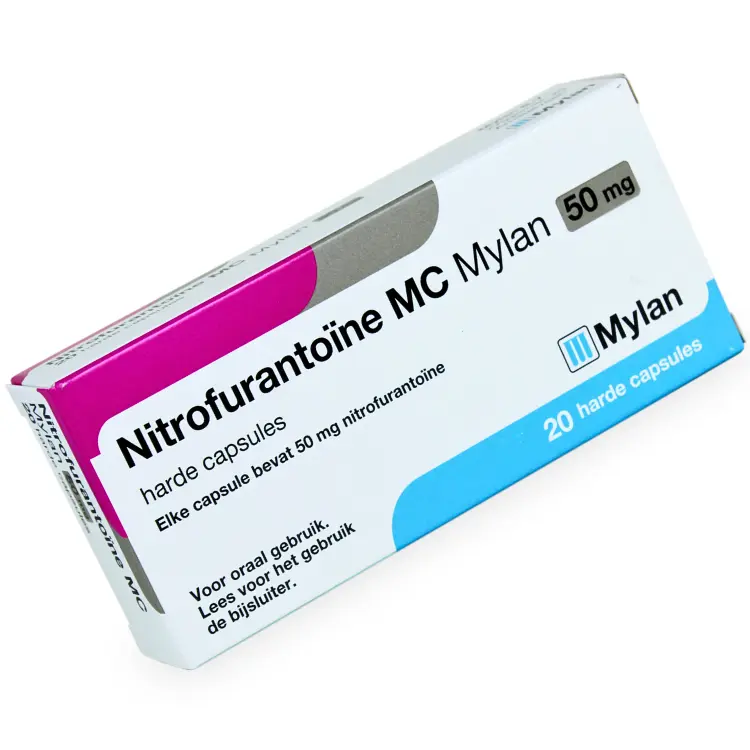
Nitrofurantoin is an antibacterial medication specifically used to treat and prevent uncomplicated urinary tract infections (UTIs) caused by susceptible bacteria.
  • ActiveIngredient: Nitrofurantoin (Monohydrate/Macrocrystals)
  • DosageForm: Oral Capsule & Oral Suspension
  • Dosage: Macrobid (Monohydrate/Macrocrystals): 100 mg. Macrodantin (Macrocrystals): 25 mg, 50 mg, 100 mg. Furadantin (Oral Suspension): 25 mg/5 mL.
  • Indications: Treatment and prophylaxis of urinary tract infections (UTIs) caused by susceptible strains of E. coli, enterococci, S. aureus, and certain strains of Klebsiella and Enterobacter species.
  • Manufacturer: Procter & Gamble / Alvogen / Various Generics
  • Storage: Store at 20°C to 25°C (68°F to 77°F). Protect from light.
  • Drug Status: Prescription Only

What is Nitrofurantoin?

Nitrofurantoin is a prescription antibacterial medication belonging to the nitrofuran class. It is unique among antibiotics because it concentrates specifically in the urine of the bladder, making it highly effective for treating lower urinary tract infections. It is not effective for treating systemic or kidney infections, as it does not achieve adequate concentrations in blood or deep tissues.

The medication is available in two main crystalline formulations designed to improve tolerability: nitrofurantoin monohydrate/macrocrystals (brand name Macrobid) and nitrofurantoin macrocrystals (brand name Macrodantin). These formulations release the drug slowly to minimize stomach upset.

As with all antibiotics, it is crucial to use nitrofurantoin only for bacterial infections confirmed or suspected by a healthcare provider, and to complete the full prescribed course.

How to Take Nitrofurantoin

Following administration instructions precisely improves effectiveness and reduces the risk of gastrointestinal side effects.

Administration and Timing

Take nitrofurantoin capsules with food or milk. This significantly enhances absorption and helps prevent nausea and stomach upset. Swallow the capsule whole with a full glass of water; do not crush, chew, or open it.

Course Completion and Missed Dose

It is essential to complete the entire prescribed course of antibiotics, even if symptoms improve after a few days. Stopping early can lead to a resurgence of the infection and contribute to antibiotic resistance. For general guidance on antibiotic use, see our resource on using antibiotics correctly.

If you miss a dose, take it as soon as you remember with food. If it is almost time for your next dose, skip the missed dose and continue your regular dosing schedule. Do not take two doses at once to make up for a missed dose.

Side Effects of Nitrofurantoin

Like all medications, nitrofurantoin can cause side effects. For a broader understanding of managing medication reactions, you may find our guide on side effects helpful.

Common and Serious Side Effects of Nitrofurantoin
FrequencySide EffectsAction to Take
Common
  • Nausea, stomach pain, loss of appetite
  • Headache, dizziness
  • Discoloration of urine to a harmless rust-yellow or brownish color
  • Diarrhea
Taking with food reduces stomach upset. Urine discoloration is normal and harmless. Ensure adequate hydration.
Serious (Seek Medical Help)
  • Chest pain, cough, fever, chills, or new or worsening shortness of breath (signs of lung reaction)
  • Dark urine, yellowing of skin/eyes (jaundice), severe stomach pain (signs of liver problems)
  • Numbness, tingling, or burning pain in hands/feet (peripheral neuropathy)
  • Unusual tiredness, weakness, pale skin, fast heartbeat (signs of blood cell problems)
  • Severe diarrhea (may indicate C. difficile infection)
  • Skin rash, hives, itching, or swelling (signs of allergic reaction)
Stop taking nitrofurantoin and contact your doctor immediately or seek emergency care. Some of these reactions, though rare, can be severe.

What is Nitrofurantoin Used For?

Nitrofurantoin has specific, targeted uses in treating and preventing bacterial infections of the urinary tract.

Primary Medical Uses

  • Treatment of Acute Uncomplicated Cystitis: It is a first-line agent for treating acute, uncomplicated bacterial cystitis (bladder infections) in women caused by susceptible strains of E. coli and Staphylococcus saprophyticus.
  • Prophylaxis of Recurrent UTIs: It is used long-term at a low dose to prevent frequent recurrences of urinary tract infections.

Important Limitations

Nitrofurantoin is not indicated for the treatment of pyelonephritis (kidney infections) or perinephric abscesses. Due to its pharmacokinetics, it does not achieve therapeutic tissue concentrations in the kidneys or the bloodstream. For suspected kidney infections, systemic antibiotics like ciprofloxacin may be required. It is also ineffective against infections outside the urinary tract.

Treatment decisions, such as choosing between nitrofurantoin and another common UTI antibiotic like Bactrim DS, should be made by a healthcare provider based on the specific bacteria and patient factors.

Interactions Alcohol:

Use with caution
While alcohol does not directly interfere with nitrofurantoin's antibacterial action, it can exacerbate certain side effects, particularly nausea and dizziness. It may also place additional strain on the liver. It is generally advisable to limit or avoid alcohol during treatment.

Interactions Other Medications:

Consult your doctor
Nitrofurantoin can interact with several drugs. Antacids containing magnesium trisilicate can reduce its absorption and effectiveness. Probenecid and sulfinpyrazone may increase nitrofurantoin blood levels and toxicity while decreasing its concentration in urine. It may also antagonize the effects of certain quinolone antibiotics. Provide your doctor with a complete medication list.

Special Groups Pregnancy:

Use with caution
Nitrofurantoin may be used during pregnancy for treating acute cystitis, often considered an option when benefits outweigh risks. However, it should be avoided at term (38-42 weeks gestation) and during labor and delivery due to the risk of hemolytic anemia in the newborn. For general guidance, see medication safety in pregnancy.

Special Groups Breastfeeding:

Use with caution
Nitrofurantoin is excreted in breast milk in small amounts. While short-term use is likely compatible, it should be used with caution in breastfeeding mothers, especially those with infants under one month old or with glucose-6-phosphate dehydrogenase (G6PD) deficiency, due to a theoretical risk of hemolysis.

Special Groups Elderly:

Use with caution
Elderly patients may be at increased risk for severe side effects, particularly pulmonary reactions, peripheral neuropathy, and hepatotoxicity. A greater frequency of impaired renal function in this population also increases risk. The benefits of therapy should be carefully weighed against potential risks.

Special Groups Children:

Safe if prescribed
Nitrofurantoin is approved for the treatment of UTIs in children one month and older. Dosage is based on weight. It is contraindicated in infants under one month old due to the risk of hemolytic anemia.

Effects on Activities Driving:

Use with caution
Nitrofurantoin can cause dizziness, drowsiness, or vertigo. Do not drive or operate vehicles until you are certain the medication does not impair your alertness.

Effects on Activities Operating Machinery:

Use with caution
The same caution as for driving applies. Refrain from operating dangerous machinery if you experience dizziness or blurred vision.

Important Safety Concerns and Considerations

Pulmonary Reactions

Severe and sometimes fatal pulmonary reactions can occur with nitrofurantoin. These include acute pulmonary hypersensitivity reactions (appearing within hours to days of therapy) and chronic pulmonary reactions (associated with long-term use). Symptoms include dyspnea, cough, fever, chills, and chest pain. The drug should be discontinued immediately if these occur.

Hepatotoxicity

Cases of hepatic toxicity, including hepatitis, cholestatic jaundice, chronic active hepatitis, and hepatic necrosis, have been reported rarely. Fatal outcomes have occurred. Liver function should be monitored periodically with long-term therapy. The drug should be discontinued at the first sign of liver injury.

Peripheral Neuropathy

Peripheral neuropathy, which may become severe or irreversible, has occurred. Risk factors include renal impairment, diabetes mellitus, electrolyte imbalances, anemia, vitamin B deficiency, and debilitating disease. Patients should report symptoms like numbness, tingling, or pain. The drug should be discontinued if neuropathy develops.

Hemolytic Anemia

Nitrofurantoin can cause hemolytic anemia of the primaquine-sensitivity type, linked to a deficiency in the enzyme glucose-6-phosphate dehydrogenase (G6PD). This reaction is dose-related and more common in certain ethnic groups. The drug is contraindicated in patients with known G6PD deficiency.

Clostridioides difficile-Associated Diarrhea (CDAD)

Antibiotic use, including nitrofurantoin, can cause C. difficile-associated diarrhea, which may range from mild to life-threatening colitis. This can occur even months after antibiotic discontinuation. Report severe, persistent, or bloody diarrhea to your doctor.

Critical Warnings for Nitrofurantoin Use

Contraindication in Renal Impairment

Nitrofurantoin is contraindicated in patients with significant renal impairment (a creatinine clearance under 60 mL/min or clinically significant elevated serum creatinine). Ineffective tissue levels are achieved in the urine with poor renal function, and the risk of toxicity increases due to drug accumulation. For more on kidney health, see information on kidney disease.

Acute, Subacute, or Chronic Pulmonary Reactions

As noted in the concerns section, pulmonary reactions are a serious risk. Fatalities have been reported. Patients should be closely monitored for respiratory symptoms. Chronic pulmonary reactions are more common in elderly patients on long-term therapy.

Hepatic Reactions

Fatal hepatic necrosis and other serious hepatotoxic reactions have occurred. Chronic active hepatitis has been reported with long-term therapy. Patients should be monitored, and the drug discontinued if evidence of liver dysfunction appears.

Peripheral Neuropathy Warning

Irreversible peripheral neuropathy can occur. Conditions such as diabetes, renal impairment, anemia, and vitamin B deficiency increase risk. The drug should be used with extreme caution in patients with these conditions and discontinued at the first sign of neuropathy.

Use in Pregnancy at Term

Nitrofurantoin should not be used at term (38-42 weeks gestation) or during labor and delivery, as it may cause hemolytic anemia in the neonate due to immature enzyme systems (glutathione instability).

Nitrofurantoin Dosage Information

Dosage depends on the formulation (Macrobid vs. Macrodantin/Furadantin) and indication (treatment vs. prevention). Always follow your doctor’s prescription.

Nitrofurantoin Dosage Guidelines for Urinary Tract Infections
Formulation (Brand)IndicationStandard Adult DosageKey Distinction
Nitrofurantoin monohydrate/macrocrystals (Macrobid)Acute Uncomplicated Cystitis100 mg twice daily for 5 daysTwice-daily dosing improves adherence.
Nitrofurantoin macrocrystals (Macrodantin, Furadantin)Acute Uncomplicated Cystitis50-100 mg four times daily for 7 daysFour-times-daily dosing schedule.
Nitrofurantoin macrocrystalsLong-Term Prophylaxis of Recurrent UTI50-100 mg once daily at bedtimeLow-dose, long-term preventive use.
Pediatric Dosage (≥1 month old)Treatment of UTI5-7 mg/kg per day, divided into 4 dosesBased on body weight; maximum 400 mg/day.

Important Administration Notes

  • Renal Function: Contraindicated if creatinine clearance is under 60 mL/min.
  • With Food: Always take with food or milk to improve bioavailability and tolerance.
  • Duration: Complete the full prescribed course for treatment. Do not stop early.

Drug Interactions with Nitrofurantoin

Inform your doctor about all medications you are taking, including over-the-counter drugs and supplements.

Significant Drug Interactions with Nitrofurantoin
Interacting SubstanceEffect of InteractionRecommendation
Antacids containing magnesium trisilicateReduces the absorption and bioavailability of nitrofurantoin, potentially making it less effective against the UTI.Avoid concurrent administration. If an antacid is needed, take it at least 2 hours before or after nitrofurantoin.
Probenecid and Sulfinpyrazone (uricosuric agents)Inhibit renal tubular secretion of nitrofurantoin. This increases nitrofurantoin blood levels (increasing toxicity risk) while decreasing its concentration in the urine (reducing effectiveness).Concomitant use is not recommended.
Certain Quinolone Antibiotics (e.g., norfloxacin)Nitrofurantoin may antagonize the antibacterial activity of quinolones against certain bacteria in the urinary tract.Avoid concurrent use unless the combination is specifically indicated based on susceptibility testing.
Drugs that Impair Renal FunctionSince nitrofurantoin is contraindicated in renal impairment, drugs that reduce kidney function increase the risk of toxicity.Use with extreme caution and monitor renal function closely.

FAQs

This is a common and harmless side effect. Nitrofurantoin and its metabolites can turn urine a rust-yellow or brownish color. It is not a cause for concern and will resolve once you stop taking the medication.
Both contain nitrofurantoin but in different crystalline formulations. Macrobid (nitrofurantoin monohydrate/macrocrystals) is typically dosed twice daily for 5 days to treat a UTI. Macrodantin (nitrofurantoin macrocrystals) is typically dosed four times daily for 7 days. The Macrobid formulation is designed for improved tolerability and convenience.
No. Nitrofurantoin is not effective for treating kidney infections because it does not reach adequate concentrations in kidney tissue or the bloodstream. It is only indicated for infections of the lower urinary tract (the bladder). Taking it for a kidney infection could delay appropriate treatment.
Taking nitrofurantoin with food (or milk) serves two key purposes: 1) It significantly improves the body's absorption of the drug from the gastrointestinal tract, making it more effective. 2) It greatly reduces the likelihood of common side effects like nausea and stomach upset.
Symptoms like pain or burning during urination often start to improve within 1-2 days of starting treatment. However, it is crucial to complete the entire prescribed course (usually 5-7 days) to fully eradicate the bacteria and prevent the infection from returning or contributing to antibiotic resistance.

Additional Information

Storage and Handling

Store nitrofurantoin capsules at room temperature between 20°C and 25°C (68°F and 77°F), in a tightly closed container, away from light, excess heat, and moisture. Keep out of reach of children and pets.

Mechanism of Action

Nitrofurantoin is a unique bacteriostatic antibacterial. It is thought to work by damaging bacterial DNA through the activity of reactive intermediates formed when the drug is reduced by bacterial enzymes. Its selective activity in the urinary tract is due to its rapid absorption, followed by rapid renal excretion and concentration in urine.

Reporting Side Effects

You are encouraged to report negative side effects of prescription drugs to your national health authority (e.g., the FDA in the United States). Reporting helps monitor drug safety and identify new risks.

References and Medical Sources

The information on this page is compiled from reputable medical sources and prescribing information.

  1. U.S. Food and Drug Administration (FDA). Macrobid (nitrofurantoin monohydrate/macrocrystals) Prescribing Information. [Updated 2020]. https://www.accessdata.fda.gov/drugsatfda_docs/label/2021/020064Orig1s029lbl.pdf
  2. MedlinePlus. Nitrofurantoin. U.S. National Library of Medicine; [Updated 2022]. https://medlineplus.gov/druginfo/meds/a682291.html
  3. Infectious Diseases Society of America (IDSA). International Clinical Practice Guidelines for the Treatment of Acute Uncomplicated Cystitis and Pyelonephritis in Women: A 2010 Update. Clinical Infectious Diseases. 2011.
  4. Drugs.com. Nitrofurantoin Professional Monograph. Drugs.com; [Updated 2024]. https://www.drugs.com/monograph/nitrofurantoin.html

Disclaimer: The information on this site is provided for informational purposes only and is not medical advice. It does not replace professional medical consultation, diagnosis, or treatment. Do not self-medicate based on the information presented on this site. Always consult with a doctor or other qualified healthcare professional before making any decisions about your health.

How do you take Nitrofurantoin?
Have you experienced any side effects while taking Nitrofurantoin?
How much has your condition improved since starting Nitrofurantoin?
What do you use Nitrofurantoin for?

You must login to add a comment.

Question 1

How do you take Nitrofurantoin?

Question 2

Have you experienced any side effects while taking Nitrofurantoin?

Question 3

How much has your condition improved since starting Nitrofurantoin?

Question 4

What do you use Nitrofurantoin for?

Poor Excellent
Thank you for sharing your valuable feedback and experiences related to Suhagra 100 Tablet, your inputs will help many others in their health journey.

Ask to get answers.