
iMedix Medical Content Engine 3.13.37

Hello,

Sign up to join our community!

Welcome Back,

Please sign in to your account!

Forgot Password,

Lost your password? Please enter your email address. You will receive a link and will create a new password via email.

Sorry, you do not have permission to ask a question, You must login to ask a question.

Ozempic: Uses, dosage, side effects, warnings & patient reviews

Ozempic

Ozempic

Ozempic

Semaglutide
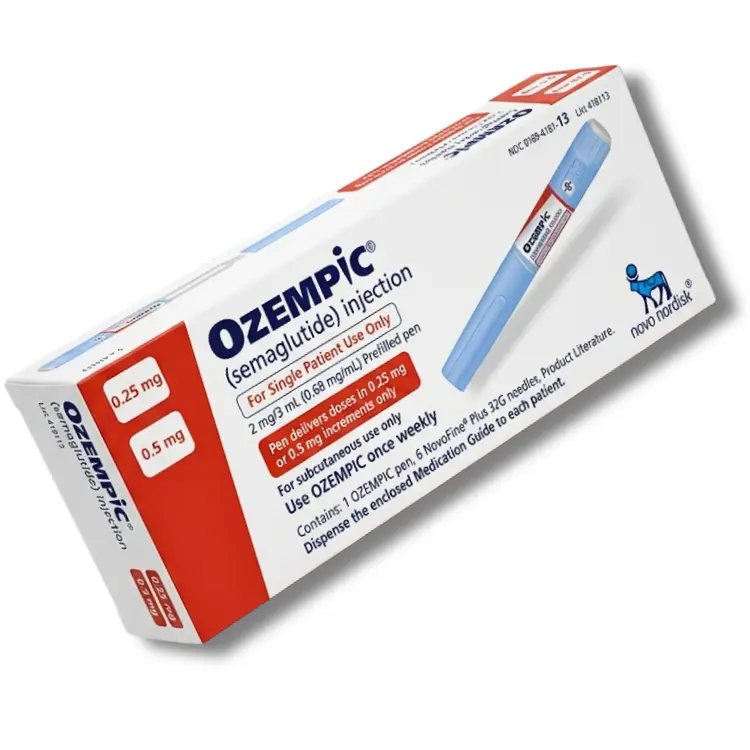
Ozempic is an injectable prescription medication containing semaglutide, a GLP-1 receptor agonist used for the treatment of adults with type 2 diabetes mellitus and to reduce the risk of major cardiovascular events, under medical supervision.
  • ActiveIngredient: Semaglutide
  • DosageForm: Subcutaneous injection (pre-filled multi-dose pens).
  • Dosage: Injection: 0.25 mg, 0.5 mg, 1 mg, 2 mg (titrated gradually starting at 0.25 mg once weekly).
  • Indications: Adjunct to diet and exercise to improve glycemic control in adults with type 2 diabetes mellitus; reduction of the risk of major adverse cardiovascular events (cardiovascular death, non-fatal myocardial infarction, or non-fatal stroke) in adults with type 2 diabetes mellitus and established cardiovascular disease.
  • Manufacturer: Novo Nordisk
  • Storage: Store new, unused pens in a refrigerator between 2°C–8°C (36°F–46°F); after first use, the pen can be stored at room temperature 15°C–30°C (59°F–86°F) or in the refrigerator for up to 56 days. Do not freeze or use if frozen.
  • Drug Status: Prescription Only

What is Ozempic (Semaglutide)?

Ozempic (semaglutide) is a glucagon-like peptide-1 (GLP-1) receptor agonist available as a subcutaneous injection. It is a prescription medication used in conjunction with diet and exercise to improve glycemic control in adults with type 2 diabetes mellitus.

As part of the diabetes drug category, Ozempic mimics the action of the natural incretin hormone GLP-1. Its primary mechanisms include stimulating glucose-dependent insulin secretion from the pancreas, suppressing glucagon secretion (which reduces hepatic glucose production), and slowing gastric emptying.

Semaglutide has a prolonged half-life of approximately one week, allowing for once-weekly dosing. The same active ingredient is also available in a daily oral tablet formulation under the brand name Rybelsus.

Important Distinction

While Ozempic is FDA-approved for type 2 diabetes management, a higher-dose formulation of semaglutide (marketed as Wegovy) is approved specifically for chronic weight management. These are distinct products with different indications and dosing regimens, prescribed under different medical supervision frameworks.

How to Use the Ozempic Pen

Ozempic is administered via a prefilled, single-patient-use pen injector. It is injected subcutaneously (under the skin) in the abdomen, thigh, or upper arm. A healthcare professional should provide training on the proper injection technique.

Administration Guidelines

  • Frequency: Inject once weekly, on the same day each week.
  • Timing: The dose can be taken at any time of day, with or without meals.
  • Day Change: If necessary, the weekly administration day can be changed, provided the last dose was administered at least 48 hours prior.
  • Injection Site: Rotate the injection site with each dose to reduce the risk of local reactions.
  • Storage: Store new, unused Ozempic pens in the refrigerator (36°F to 46°F / 2°C to 8°C). In-use pens can be stored at room temperature (59°F to 86°F / 15°C to 30°C) for up to 56 days. Do not freeze.

Missed Dose

If a dose is missed, administer it as soon as possible within 5 days after the missed dose. If more than 5 days have passed, skip the missed dose and administer the next dose on the regularly scheduled day. Do not administer a double dose to make up for a missed one.

Side Effects of Ozempic

The most common adverse reactions associated with Ozempic are gastrointestinal in nature, related to its mechanism of slowing gastric emptying. These effects are often dose-dependent and may diminish over time.

Common and Serious Side Effects of Ozempic
FrequencySide EffectsNotes
Very Common (>10%)Nausea, vomiting, diarrhea, abdominal pain, constipation.These gastrointestinal effects are most frequent during dose escalation. Managing portion sizes and dietary fat intake may help. Similar gastrointestinal symptoms can occur with other weight-management agents, such as orlistat (Xenical).
Common (1-10%)
  • Gastroesophageal reflux disease (GERD)
  • Headache
  • Fatigue
  • Dyspepsia (indigestion)
  • Dizziness
  • Hypoglycemia (when used with insulin or sulfonylureas)
  • Injection site reactions
Hypoglycemia risk is increased when Ozempic is combined with other glucose-lowering medications. Patients should be familiar with the signs and management of low blood sugar.
Serious (Seek Medical Attention)
  • Severe, persistent abdominal pain (may indicate pancreatitis)
  • Allergic reactions (hives, rash, swelling, difficulty breathing)
  • Significant worsening of diabetic retinopathy
  • Severe nausea, vomiting, or diarrhea leading to dehydration
  • Rapid heart rate, palpitations
Acute pancreatitis is a serious potential adverse event. Patients experiencing severe, persistent abdominal pain with or without vomiting should discontinue Ozempic and seek immediate medical evaluation.

What is Ozempic Used For?

Ozempic has two FDA-approved indications for use in adults.

1. Improvement of Glycemic Control in Type 2 Diabetes

Ozempic is indicated as an adjunct to diet and exercise to improve glycemic control in adults with type 2 diabetes mellitus. It is not a substitute for insulin and is not indicated for patients with type 1 diabetes or for the treatment of diabetic ketoacidosis.

2. Reduction of Cardiovascular Risk

Ozempic is indicated to reduce the risk of major adverse cardiovascular events (MACE)—such as cardiovascular death, non-fatal myocardial infarction (heart attack), or non-fatal stroke—in adults with type 2 diabetes mellitus and established cardiovascular disease.

Use in Weight Management

Weight loss is a well-documented effect of semaglutide therapy. However, when used for chronic weight management, a different formulation and specific dosing regimen (Wegovy) are FDA-approved for that distinct indication. The use of Ozempic specifically for weight loss is considered an off-label use and should only be undertaken under direct physician supervision with a clear understanding of the risks, benefits, and regulatory distinctions. For more information on medications used for weight management, see the weight loss drug category.

Interactions Alcohol:

Use with caution
Consuming alcohol is not strictly contraindicated but requires caution. Both alcohol and Ozempic can irritate the gastrointestinal tract and increase the risk of nausea. More importantly, alcohol consumption is a known risk factor for pancreatitis, which is a serious potential adverse reaction to GLP-1 receptor agonists like Ozempic. Patients with a history of or at risk for pancreatitis should exercise particular caution.

Interactions Other Medications:

Consult your doctor
Ozempic slows gastric emptying, which can impact the absorption of concurrently administered oral medications. This is particularly relevant for drugs with a narrow therapeutic index or those that require rapid gastrointestinal absorption. Patients should inform their doctor of all medications, especially insulin or insulin secretagogues (e.g., sulfonylureas), as the risk of hypoglycemia is increased. Dose adjustments of these concomitant medications may be required.

Special Groups Pregnancy:

Consult your doctor
There are limited data on the use of Ozempic in pregnant women. Based on animal studies, there may be potential risks to the fetus. Ozempic should be used during pregnancy only if the potential benefit justifies the potential risk to the fetus. Due to its long half-life, discontinuation at least 2 months before a planned pregnancy is recommended. For general guidance, refer to medication safety in pregnancy.

Special Groups Breastfeeding:

Consult your doctor
It is unknown whether semaglutide is excreted in human milk. Because many drugs are excreted in human milk and due to the potential for serious adverse reactions in nursing infants, a decision should be made to discontinue nursing or discontinue the drug, taking into account the importance of the drug to the mother.

Special Groups Elderly:

Use with caution
No dosage adjustment is recommended based on age. However, elderly patients may have a greater frequency of decreased renal function. Since Ozempic is not eliminated via the kidney, renal impairment is not a direct concern, but elderly patients may be more sensitive to the gastrointestinal side effects, which can lead to dehydration.

Special Groups Children:

Unsafe
Safety and effectiveness of Ozempic in pediatric patients under 18 years of age have not been established. It is not indicated for use in this population.

Effects on Activities Driving:

Use with caution
Ozempic has not been shown to impair driving ability. However, patients should be cautious if they experience dizziness—a possible side effect—or hypoglycemia, especially when starting therapy or changing the dose.

Effects on Activities Operating Machinery:

Use with caution
Similar to driving, caution is advised if dizziness or hypoglycemia occurs, as these could impair focus and reaction time.

Important Safety Concerns and Considerations

Risk of Thyroid C-Cell Tumors

Ozempic carries a Boxed Warning (the most serious FDA warning) regarding the risk of thyroid C-cell tumors. In rodent studies, semaglutide caused dose-dependent and treatment-duration-dependent thyroid C-cell tumors. It is unknown whether Ozempic causes thyroid C-cell tumors, including medullary thyroid carcinoma (MTC), in humans.

Ozempic is contraindicated in patients with a personal or family history of MTC or in patients with Multiple Endocrine Neoplasia syndrome type 2 (MEN 2). Patients should be counseled on the symptoms of thyroid tumors (e.g., a mass in the neck, dysphagia, dyspnea, persistent hoarseness). Routine monitoring of serum calcitonin or using thyroid ultrasound is of uncertain value for early detection.

Pancreatitis

Acute pancreatitis, including fatal and non-fatal hemorrhagic or necrotizing pancreatitis, has been reported in patients treated with GLP-1 receptor agonists. Patients should be observed for signs and symptoms of pancreatitis (persistent, severe abdominal pain that may radiate to the back, with or without vomiting). If pancreatitis is suspected, Ozempic should be discontinued promptly and appropriate management initiated.

Diabetic Retinopathy Complications

In a cardiovascular outcomes trial, patients with a history of diabetic retinopathy at baseline had a higher risk of developing diabetes-related retinal complications (e.g., vitreous hemorrhage, blindness, or need for an intravitreal procedure) when treated with semaglutide compared with placebo. Rapid improvement in glucose control has been associated with a temporary worsening of diabetic retinopathy. Patients with a history of diabetic retinopathy should be monitored for progression.

Acute Kidney Injury

There have been postmarketing reports of acute kidney injury and worsening of chronic renal failure, which may sometimes require hemodialysis, in patients treated with GLP-1 receptor agonists. Some events occurred in patients without known underlying renal disease. A majority occurred in patients who experienced nausea, vomiting, diarrhea, or dehydration. Patients should be advised of the potential risk of dehydration due to gastrointestinal adverse reactions and take precautions to avoid fluid depletion.

Critical Warnings for Ozempic Use

Never Share an Ozempic Pen

Ozempic pens are intended for use by a single patient only. Sharing the pen poses a risk of transmission of bloodborne pathogens, even if the needle is changed.

Hypoglycemia with Concomitant Use

The risk of hypoglycemia is increased when Ozempic is used in combination with insulin secretagogues (e.g., sulfonylureas) or insulin. Patients may require a lower dose of the secretagogue or insulin to reduce the risk of hypoglycemia. It is important to educate patients on recognizing and managing low blood sugar.

Gastrointestinal Disease

Ozempic has not been studied in patients with severe gastrointestinal disease, including severe gastroparesis. Because it slows gastric emptying, Ozempic may worsen this condition. It is not recommended in patients with pre-existing severe gastrointestinal disease.

Hypersensitivity Reactions

Serious hypersensitivity reactions (e.g., anaphylaxis, angioedema) have been reported with GLP-1 receptor agonists. Ozempic is contraindicated in patients with a prior serious hypersensitivity reaction to semaglutide or any of the product components. Cases of anaphylaxis have been reported post-marketing.

Acute Gallbladder Disease

Events of cholelithiasis and cholecystitis have been reported in clinical trials and postmarketing. Substantial or rapid weight loss can increase the risk of cholelithiasis; however, the incidence in clinical trials was higher in semaglutide-treated patients than in comparator-treated patients, even after accounting for the degree of weight loss. Patients should be monitored for signs and symptoms of gallbladder disease.

Ozempic Dosage Information

Ozempic therapy is initiated with a low dose to improve gastrointestinal tolerability, followed by dose escalation based on clinical response. The table below outlines the standard titration schedule. The maximum recommended dosage is 2 mg once weekly.

Ozempic (Semaglutide) Standard Titration Schedule
Time PeriodDosagePurpose
Weeks 1-40.25 mg once weeklyStarting dose. This dose is for initiating therapy and is not effective for glycemic control. It is intended to reduce gastrointestinal side effects.
Weeks 5-80.5 mg once weeklyFirst maintenance dose. If glycemic response is adequate after 4 weeks at 0.5 mg, this dose may be continued.
Week 9 and onward1 mg once weeklySecond maintenance dose. If additional glycemic control is needed after at least 4 weeks at 0.5 mg, increase to 1 mg.
If needed2 mg once weeklyMaximum dose. If additional glycemic control is needed after at least 4 weeks at 1 mg, may increase to 2 mg. Available in a specific pen device.

Important Administration Notes

  • Dose Adjustment: Dose escalation from 0.25 mg to 0.5 mg, and subsequently to 1 mg or 2 mg, should only occur after a minimum of 4 weeks at the current dose.
  • Combination Therapy: Ozempic is often used in combination with other glucose-lowering agents, such as metformin. Dose adjustments of concomitant medications may be necessary.
  • Missed Dose: As noted in General Instructions, administer within 5 days; if later, skip and resume schedule.

Drug Interactions with Ozempic

The primary interaction concern with Ozempic stems from its effect of delaying gastric emptying, which may alter the absorption of other oral medications.

Potential Drug Interactions with Ozempic (Semaglutide)
Interacting SubstancePotential EffectManagement Recommendation
Oral Medications with Narrow Therapeutic Index (e.g., warfarin, levothyroxine, certain antibiotics)Delayed gastric emptying may alter the rate and extent of absorption, potentially leading to subtherapeutic or increased effects.Close monitoring of drug effect (e.g., INR for warfarin) is advised, especially when starting Ozempic or changing the dose. Dosing of the concomitant medication may need to be adjusted based on monitoring.
Insulin and Insulin Secretagogues (e.g., sulfonylureas like glipizide, glyburide)Increased risk of hypoglycemia due to additive glucose-lowering effects.Consider reducing the dose of the insulin or secretagogue to lower the hypoglycemia risk. Patients should monitor blood glucose more frequently.
Other GLP-1 Receptor Agonists or DPP-4 Inhibitors (e.g., sitagliptin in Janumet)Theoretically additive effects, but concurrent use is not recommended as they act on the same incretin pathway.Concomitant use with other drugs in the same class is not indicated.

FAQs

Ozempic works for weight loss through several mechanisms central to its action as a GLP-1 receptor agonist. It acts in the brain to increase feelings of fullness (satiety) and reduce appetite. It also slows down the movement of food from the stomach into the small intestine (gastric emptying), which prolongs the sensation of being full after a meal. While weight loss is a common effect, Ozempic's FDA approval is for type 2 diabetes; a different formulation (Wegovy) is approved specifically for chronic weight management.
The effects on blood glucose can be observed soon after starting treatment, but the full glycemic effect at a given dose is typically achieved within 4 to 5 weeks. The weight loss effect is more gradual and cumulative over many months of consistent therapy. The initial 0.25 mg dose is a starting dose intended to improve tolerability and does not represent the full therapeutic effect.
The most common side effects are gastrointestinal and include nausea, vomiting, diarrhea, and constipation. These are most frequent during the initial dose escalation period. To minimize these effects, it is recommended to start with the low 0.25 mg dose for four weeks, inject the medication as directed, and avoid large, high-fat meals. Symptoms often diminish as the body adjusts over several weeks.
Ozempic is contraindicated in patients with a personal or family history of medullary thyroid carcinoma (MTC) or in patients with Multiple Endocrine Neoplasia syndrome type 2 (MEN 2). For other thyroid conditions, such as hypothyroidism (e.g., Hashimoto's disease) or hyperthyroidism, the use of Ozempic may be considered, but a thorough discussion with your doctor is essential. You must inform your doctor of any personal or family history of thyroid conditions before starting treatment.
Ozempic is injected subcutaneously (under the skin) in the abdomen, thigh, or upper arm. The injection site should be rotated with each weekly dose to help prevent lipodystrophy (skin thickening or pits at the injection site) and local reactions. Do not inject into a muscle or vein.

Additional Information

Mechanism of Action in Detail

Ozempic (semaglutide) is a glucagon-like peptide-1 (GLP-1) analog with 94% sequence homology to human GLP-1. It acts as a GLP-1 receptor agonist, increasing intracellular cyclic AMP (cAMP) in pancreatic beta cells, leading to glucose-dependent insulin secretion. Concurrently, it decreases glucagon secretion from pancreatic alpha cells in a glucose-dependent manner. It also reduces hepatic glucose production. The delay in gastric emptying contributes to reduced postprandial glucose levels and increased satiety. Its cardiovascular benefits are believed to be mediated through multiple pathways, including improvements in glycemic control, body weight, blood pressure, and lipids, as well as potential direct effects on the heart and vasculature.

Clinical Evidence and Cardiovascular Outcomes

The approval for cardiovascular risk reduction was based on the SUSTAIN 6 trial, a randomized, double-blind, placebo-controlled study in patients with type 2 diabetes and established cardiovascular disease. The trial demonstrated that Ozempic significantly reduced the risk of the composite endpoint of first occurrence of cardiovascular death, non-fatal myocardial infarction, or non-fatal stroke.

Reporting Side Effects

Patients and caregivers are encouraged to report negative side effects of prescription drugs to the relevant national health authority (e.g., the FDA in the United States). Reporting helps health authorities monitor drug safety and identify new risks.

References and Medical Sources

  1. U.S. Food and Drug Administration (FDA). Ozempic (semaglutide) injection Prescribing Information. [Revised May 2023]. https://www.accessdata.fda.gov/drugsatfda_docs/label/2023/209637s020s021lbl.pdf
  2. American Diabetes Association (ADA). 9. Pharmacologic Approaches to Glycemic Treatment: Standards of Care in Diabetes—2024. Diabetes Care. 2024;47(Supplement_1):S158–S178.
  3. Marso SP, et al. Semaglutide and Cardiovascular Outcomes in Patients with Type 2 Diabetes. N Engl J Med. 2016;375:1834-1844. (SUSTAIN 6 Trial).
  4. MedlinePlus. Semaglutide Injection. U.S. National Library of Medicine. https://medlineplus.gov/druginfo/meds/a618008.html

This content is for informational purposes only and is not a substitute for professional medical advice, diagnosis, or treatment. Always seek the advice of your physician or other qualified health provider with any questions you may have regarding a medical condition.

Disclaimer: The information on this site is provided for informational purposes only and is not medical advice. It does not replace professional medical consultation, diagnosis, or treatment. Do not self-medicate based on the information presented on this site. Always consult with a doctor or other qualified healthcare professional before making any decisions about your health.

You must login to add a comment.

Popular Questions

Top Members

Join the discussion

Comments are published after moderation. User opinions do not constitute medical advice.

We sincerely appreciate you taking the time to share your feedback. Every user's perspective is valuable to us.

Ask to get answers.