
iMedix Medical Content Engine 3.13.37

Hello,

Sign up to join our community!

Welcome Back,

Please sign in to your account!

Forgot Password,

Lost your password? Please enter your email address. You will receive a link and will create a new password via email.

Sorry, you do not have permission to ask a question, You must login to ask a question.

Procardia: Uses, dosage, side effects, warnings & patient reviews

Procardia

Procardia

Procardia

Nifedipine
Procardia is a brand-name prescription medication containing the active ingredient nifedipine. It belongs to a class of drugs called dihydropyridine calcium channel blockers and is indicated for the treatment of hypertension (high blood pressure) and certain types of angina (chest pain).
  • ActiveIngredient: Nifedipine
  • DosageForm: Oral capsules (Immediate-release)
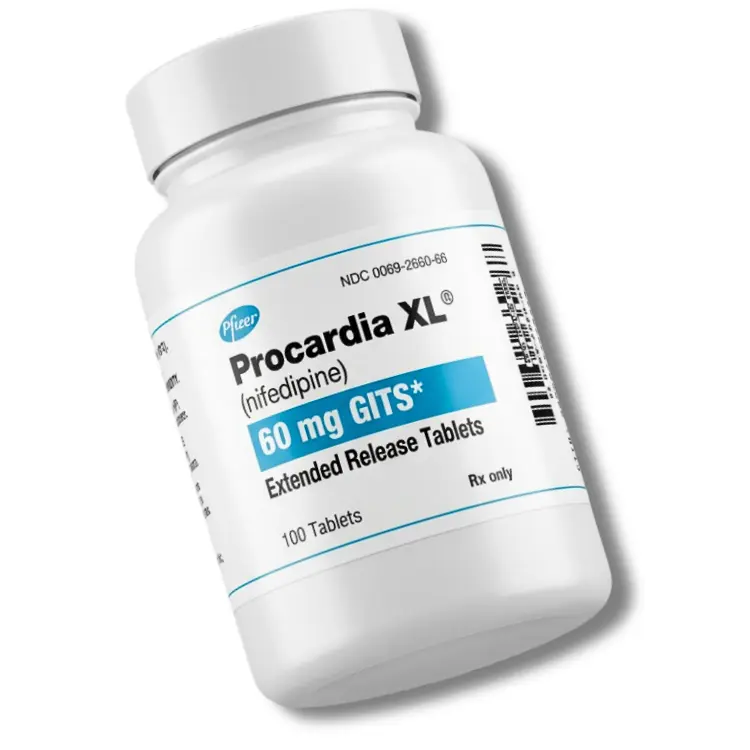
  • Dosage: Capsules: 10 mg, 20 mg. (Note: The extended-release formulation, Procardia XL, is available in 30 mg, 60 mg, and 90 mg).
  • Indications: Vasospastic angina (Prinzmetal’s variant); Chronic stable angina (Classical effort-associated angina).
  • Manufacturer: Pfizer Inc. (Brand); generic manufacturers include Novadoz Pharmaceuticals, Teva Pharmaceuticals, and Catalent.
  • Storage: Store at room temperature 20°C–25°C (68°F–77°F); protect from moisture and light.
  • Drug Status: Prescription Only

What is Procardia (Nifedipine)?

Procardia is the brand name for the prescription drug nifedipine. It is classified as a calcium channel blocker, specifically a dihydropyridine. This class of medication works by inhibiting the influx of calcium ions into the smooth muscle cells lining blood vessels and the heart.

Its primary therapeutic effect is the relaxation and dilation of peripheral arteries. This action reduces systemic vascular resistance (afterload), which lowers blood pressure and decreases the heart’s workload and oxygen demand. Unlike some other calcium channel blockers, nifedipine has minimal direct effect on cardiac conduction (the electrical system of the heart) at therapeutic doses.

Procardia is available in different formulations. The immediate-release capsule is the original form, while Procardia XL is an extended-release tablet designed to provide 24-hour control with once-daily dosing.

How to Take Procardia

Administration instructions for Procardia vary significantly between its immediate-release and extended-release formulations. Adherence to the correct method is critical for safety and efficacy.

Administration Guidelines

  • Procardia XL (Extended-Release Tablets): Swallow whole with a glass of water. Do not crush, chew, or divide the tablet. Taking it with a light meal is acceptable but not required.
  • Procardia (Immediate-Release Capsules): Swallow the capsule whole. The liquid inside the capsule is under pressure; it should not be pierced or chewed.

It is important to take Procardia at consistent times each day to maintain stable drug levels in the body, particularly for the management of hypertension.

Dosage and Timing

Dosage is individualized based on the medical condition being treated, patient response, and the specific formulation. The extended-release formulation (Procardia XL) is typically prescribed as a single daily dose. The immediate-release form usually requires administration three times daily.

Patients should not adjust their dose or discontinue therapy without consulting their physician, especially for angina, as abrupt withdrawal can worsen symptoms.

Missed Dose

If a dose is missed, it should be taken as soon as remembered. However, if it is close to the time of the next scheduled dose, the missed dose should be skipped. Do not take a double dose to make up for a missed one.

Side Effects of Procardia

The vasodilatory action of nifedipine is responsible for both its therapeutic benefits and many of its adverse effects. The incidence and severity of side effects, particularly peripheral edema and dizziness, are often dose-related.

Reported Side Effects of Procardia (Nifedipine)
Frequency CategoryReported Effects
Common
  • Peripheral edema (swelling of ankles, feet, or hands)
  • Headache
  • Flushing (feeling of warmth, redness of skin)
  • Dizziness or lightheadedness
  • Palpitations (awareness of heartbeat)
  • Nausea
Less Common / Serious
  • Pronounced hypotension (very low blood pressure)
  • Worsening chest pain (angina) at initiation or dose increase
  • Significant swelling that may resemble lymphedema
  • Gingival hyperplasia (overgrowth of gum tissue) with long-term use. Maintaining oral hygiene can help mitigate this; more information is available on gingival health.
  • Constipation (information on managing this is available in the gastrointestinal drug category).
  • Liver function abnormalities

Patients experiencing symptoms of severe hypotension, such as fainting, extreme dizziness, or shortness of breath, should seek medical attention.

What is Procardia Used For?

Procardia (nifedipine) is indicated for specific cardiovascular conditions. Its use is based on its ability to reduce peripheral vascular resistance and myocardial oxygen demand.

FDA-Approved Indications

  • Hypertension (High Blood Pressure): Procardia is indicated for the management of essential hypertension. The extended-release formulation (Procardia XL) is commonly used for this purpose due to its once-daily dosing.
  • Vasospastic Angina (Prinzmetal’s Angina): Treatment of angina caused by coronary artery spasm.
  • Chronic Stable Angina: Management of classic effort-associated angina, typically used in combination with other antianginal agents like beta-blockers.

Off-Label Uses

Under physician supervision, nifedipine may be prescribed for conditions not formally approved by the FDA. These include:

  • Raynaud’s Phenomenon: Used to reduce the frequency and severity of vasospastic attacks in fingers and toes. More details can be found on Raynaud’s disease.
  • Preterm Labor (Tocolysis): In obstetric care, it may be used off-label under strict hospital protocol to suppress premature uterine contractions.

Interactions Alcohol:

Consult your doctor
Concurrent use of alcohol and Procardia may potentiate the vasodilatory effects of the medication, leading to an increased risk of hypotension, dizziness, and fainting. Patients should discuss their alcohol intake with their prescribing physician. General principles of mixing cardiovascular medications and alcohol are discussed in this resource.

Interactions Other Medications:

Consult your doctor
Nifedipine interacts with numerous drug classes. Concomitant use with beta-blockers (e.g., propranolol) requires close monitoring for hypotension and heart failure. Combining it with other vasodilators, including nitrates and phosphodiesterase-5 inhibitors (e.g., sildenafil), can cause additive blood pressure-lowering effects. It is metabolized by CYP3A4, so inhibitors/inducers of this enzyme will significantly affect its levels.

Special Groups Pregnancy:

Consult your doctor
Procardia is in FDA Pregnancy Category C. Data on use during pregnancy is limited. It should only be used if the potential benefit justifies the potential risk to the fetus. Its off-label use for preterm labor is managed exclusively in a hospital setting.

Special Groups Breastfeeding:

Consult your doctor
Nifedipine is excreted in human milk in small amounts. The clinical impact on a nursing infant is not fully established. A decision should be made whether to discontinue nursing or the drug, considering the importance of the medication to the mother.

Special Groups Elderly:

Use with caution
Elderly patients may have increased sensitivity to nifedipine and a higher incidence of peripheral edema. They are also more susceptible to pronounced hypotension, which can increase the risk of falls and adverse events related to reduced cerebral perfusion. More information on related risks is available for cerebrovascular health.

Special Groups Children:

Consult your doctor
Safety and effectiveness in children have not been established. Use in pediatric populations requires careful evaluation and monitoring by a specialist.

Effects on Activities Driving:

Use with caution
Procardia can cause dizziness, lightheadedness, or syncope, especially during initiation or dose titration. Patients should not drive or operate vehicles until they are certain they can do so safely.

Effects on Activities Operating Machinery:

Use with caution
The same precautions as for driving apply. Caution is advised when engaging in activities requiring mental alertness or coordination until the individual's response to the drug is known.

Important Safety Concerns and Considerations

Excessive Hypotension and Syncope

While Procardia effectively lowers blood pressure, it may occasionally cause excessive hypotension, sometimes accompanied by syncope (fainting). This risk is highest during initial titration or when increasing the dose. Symptoms are more likely in patients who are volume-depleted or concurrently using other antihypertensive agents.

Worsening Angina or Myocardial Infarction

Rarely, patients, particularly those with severe obstructive coronary artery disease, have developed increased frequency, duration, or severity of angina or acute myocardial infarction upon starting nifedipine or at the time of dosage increase. The mechanism is not fully understood but may be related to a reflex increase in heart rate.

Use in Patients with Heart Failure

Patients with heart failure, particularly those receiving a beta-blocker, should use nifedipine with caution. The drug’s negative inotropic effect (potential to reduce heart muscle contraction force) may be clinically significant in this population and can worsen heart failure symptoms.

Peripheral Edema

Mild to moderate peripheral edema, typically ankle edema, is the most common side effect. This is a localized vascular effect due to precapillary dilation and is not generally caused by systemic fluid retention. It may require dose adjustment or discontinuation if bothersome.

Critical Warnings for Procardia Use

Hypertensive Emergency Contraindication

Procardia immediate-release capsules must not be used for the acute treatment of hypertensive emergencies. Rapid and uncontrolled decreases in blood pressure have been associated with catastrophic outcomes, including stroke, myocardial infarction, and acute renal failure in this setting.

Grapefruit Juice Interaction

Consumption of grapefruit or grapefruit juice is contraindicated while taking Procardia. Grapefruit inhibits the CYP3A4 enzyme system in the intestinal wall, significantly increasing the bioavailability of nifedipine. This can lead to unpredictably high drug levels, exacerbating side effects and the risk of severe hypotension. For more on medication rules, see this article.

Beta-Blocker Withdrawal

Procardia is not a beta-blocker and does not prevent the consequences of abrupt beta-blocker withdrawal. Patients with angina being withdrawn from beta-blockers should be gradually tapered off the beta-blocker while simultaneously initiating nifedipine to avoid exacerbating angina.

Use in Patients with Severe Aortic Stenosis

The drug should be used with extreme caution, if at all, in patients with fixed left ventricular outflow obstruction (e.g., severe aortic stenosis). The reduction in afterload (peripheral resistance) may decrease coronary perfusion pressure without improving cardiac output, potentially worsening ischemia.

Procardia Dosage Information

Dosage must be individualized based on the patient’s clinical needs and response. The following table outlines general dosing guidelines; patients must follow their physician’s specific prescription.

Procardia (Nifedipine) Dosage Guidelines
FormulationIndicationTypical Starting & Maintenance DoseNotes
Procardia XL (Extended-Release)Hypertension30 mg or 60 mg orally once daily. Dosage may be increased over 7-14 day intervals. Maximum dose: 120 mg/day.Tablet must be swallowed whole. Dosage adjustments for the elderly or those with liver impairment may be necessary.
Procardia XL (Extended-Release)Angina30 mg or 60 mg orally once daily. Titration based on response.Used for chronic stable or vasospastic angina.
Procardia (Immediate-Release)Angina10 mg three times daily. Usual range: 10-20 mg three times daily. Some patients may require up to 30 mg four times daily.Maximum single dose: 30 mg. Not for hypertension management.

Important Administration Notes

  • Dosage titration should be gradual to monitor for excessive hypotension or edema.
  • Patients with hepatic impairment may require lower doses and careful monitoring due to reduced drug clearance.
  • Therapy should not be discontinued abruptly, as this may lead to rebound hypertension or exacerbation of angina.

Drug Interactions with Procardia

Nifedipine is subject to significant pharmacokinetic and pharmacodynamic interactions. A comprehensive review of all concomitant medications, including over-the-counter drugs and supplements, with a healthcare provider is essential.

Significant Drug Interactions with Procardia (Nifedipine)
Interacting Substance Class/NamePotential EffectClinical Recommendation
Strong CYP3A4 Inhibitors
(e.g., ketoconazole, itraconazole, clarithromycin, ritonavir)
Markedly increase nifedipine plasma concentrations, raising the risk of severe hypotension and other adverse effects.Avoid concomitant use if possible. If necessary, close blood pressure monitoring and significant dose reduction of nifedipine may be required.
CYP3A4 Inducers
(e.g., rifampin, phenobarbital, carbamazepine, St. John’s Wort)
Decrease nifedipine plasma concentrations, potentially reducing its therapeutic effect.Monitor for loss of efficacy. A dose increase of nifedipine may be necessary.
Other Antihypertensives / Vasodilators
(e.g., beta-blockers, ACE inhibitors, nitrates, sildenafil and other PDE5 inhibitors)
Additive blood pressure-lowering effects, increasing the risk of symptomatic hypotension.Use with caution. Monitor blood pressure closely, especially during initiation and dose adjustment of either agent.
DigoxinNifedipine may increase digoxin serum levels, potentially leading to digitalis toxicity.Monitor digoxin levels when initiating, adjusting, or discontinuing nifedipine.
QuinidineNifedipine may lower quinidine levels, while quinidine may increase nifedipine levels. The interaction is complex and unpredictable.Concomitant use should be avoided if possible. Close monitoring of both drugs’ effects is necessary.

FAQs

Procardia refers to the immediate-release capsule formulation, which acts quickly and is typically taken three to four times daily for angina. Procardia XL is an extended-release tablet designed to release nifedipine gradually over 24 hours, allowing for once-daily dosing, which is preferred for hypertension and convenient management of chronic angina.
No. The immediate-release form of nifedipine should never be used to rapidly lower blood pressure in an urgent or emergency setting. This practice is dangerous and associated with serious risks, including stroke and heart attack. Management of acute blood pressure spikes requires immediate medical evaluation and appropriate therapies.
Yes, generic nifedipine is widely available for both immediate-release and extended-release formulations. Generic medications contain the same active ingredient at the same strength and are required to meet the same FDA standards for safety, quality, and effectiveness as the brand-name product. For more information, see the article on understanding generic drugs.
Swelling (edema) in the ankles and lower legs is caused by the dilation of small arteries (arterioles) in the limbs, which increases pressure in the capillaries and pushes fluid into the surrounding tissue. It is not typically a sign of heart or kidney problems. Management strategies include elevating the legs when possible, reducing sodium intake, and discussing the symptom with your doctor, who may adjust the dose or add a complementary medication.
Procardia is classified as FDA Pregnancy Category C. It should only be used during pregnancy if clearly needed and under the direct supervision of an obstetrician. Its off-label use for delaying preterm labor is a separate, highly specialized medical decision made in a hospital setting and is not for self-management.

Additional Information

Storage and Handling

Store Procardia tablets and capsules at room temperature between 20°C to 25°C (68°F to 77°F), in a tightly closed container, and away from light, excess moisture, and heat. Keep all medications out of the reach of children and pets. Do not use medication beyond its expiration date.

Reporting Side Effects

Patients and caregivers are encouraged to report negative side effects of prescription drugs to their healthcare provider and to the relevant national regulatory authority (e.g., the U.S. Food and Drug Administration’s MedWatch program). Reporting contributes to ongoing drug safety monitoring.

Mechanism of Action Recap

Nifedipine selectively inhibits the transmembrane influx of calcium ions into vascular smooth muscle and cardiac muscle. This inhibition leads to the dilation of coronary and systemic arteries, decreasing systemic vascular resistance (blood pressure) and increasing oxygen supply to the heart muscle. Its primary site of action is the peripheral vasculature.

References and Medical Sources

  1. U.S. Food and Drug Administration (FDA). Procardia XL (nifedipine) Extended-Release Tablets Prescribing Information. [Revised 2011]. https://www.accessdata.fda.gov/drugsatfda_docs/label/2013/018482s051lbl.pdf
  2. MedlinePlus. Nifedipine. U.S. National Library of Medicine; [Updated 2022]. https://medlineplus.gov/druginfo/meds/a684028.html
  3. Whelton, P. K., et al. 2017 ACC/AHA/AAPA/ABC/ACPM/AGS/APhA/ASH/ASPC/NMA/PCNA Guideline for the Prevention, Detection, Evaluation, and Management of High Blood Pressure in Adults. Journal of the American College of Cardiology. 2018;71(19):e127-e248.
  4. Drugs.com. Nifedipine Professional Monograph. Drugs.com; [Updated 2023]. https://www.drugs.com/monograph/nifedipine.html

Disclaimer: The information on this site is provided for informational purposes only and is not medical advice. It does not replace professional medical consultation, diagnosis, or treatment. Do not self-medicate based on the information presented on this site. Always consult with a doctor or other qualified healthcare professional before making any decisions about your health.

You must login to add a comment.

Popular Questions

Top Members

Join the discussion

Comments are published after moderation. User opinions do not constitute medical advice.

We sincerely appreciate you taking the time to share your feedback. Every user's perspective is valuable to us.

Ask to get answers.