Hello,

Sign up to join our community!

Welcome Back,

Please sign in to your account!

Forgot Password,

Lost your password? Please enter your email address. You will receive a link and will create a new password via email.

Sorry, you do not have permission to ask a question, You must login to ask a question.

Prograf: Uses, dosage, side effects, warnings & patient reviews

Prograf

Prograf
0

The iMedixStars rating goes beyond a simple average of reviews. It’s calculated based on various factors, including the quantity, recency, and reliability of the reviews. Read More

  • 0 reviews

Prograf

0

The iMedixStars rating goes beyond a simple average of reviews. It’s calculated based on various factors, including the quantity, recency, and reliability of the reviews. Read More

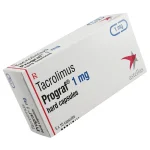
Prograf is a prescription immunosuppressant medication containing the active ingredient tacrolimus. It is primarily used to prevent the rejection of transplanted organs, such as kidneys, liver, or heart, by suppressing the body's immune system. Its dosing requires extremely careful management due to a narrow therapeutic window.
  • ActiveIngredient: Tacrolimus
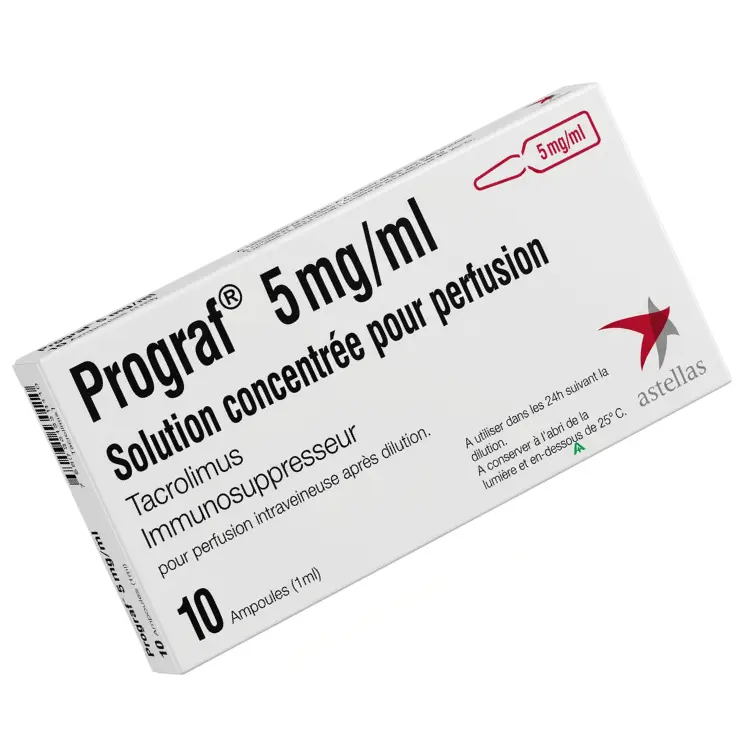
  • DosageForm: Oral Capsule, Injection (Ampoules), & Granules for Oral Suspension.
  • Dosage: Capsules: 0.5 mg, 1 mg, 5 mg. Injection: 5 mg/mL. Granules: 0.2 mg, 1 mg packets (often for children).
  • Indications: Prophylaxis of organ rejection in patients receiving allogeneic liver, kidney, or heart transplants. Used in combination with other immunosuppressants (e.g., mycophenolate mofetil and corticosteroids).
  • Manufacturer: Astellas Pharma (Original Brand) / Various Generics
  • Storage: Store at 20°C to 25°C (68°F to 77°F). Store in original foil wrapper until use.
  • Drug Status: Prescription Only

What is Prograf (Tacrolimus)?

Prograf, with the active ingredient tacrolimus, is a potent calcineurin inhibitor-class immunosuppressant. It is a critical, lifelong medication for patients who have received an organ transplant. Its primary function is to prevent the body’s immune system from attacking and rejecting the newly transplanted organ.

The medication works by specifically inhibiting the activation of T-lymphocytes, which are key cells in the immune response. By suppressing this activity, Prograf allows the transplanted organ to survive and function. It is a cornerstone of post-transplant therapy, often used in combination with other immunosuppressive agents.

Due to its mechanism, patients taking Prograf are at significantly increased risk for infections and certain cancers. Its dosing is highly individualized and requires meticulous management because of a narrow therapeutic index—the difference between an effective dose and a toxic one is very small. Prograf is typically prescribed following major transplants, such as for patients with end-stage kidney disease or severe heart failure who have undergone transplantation.

Available Forms

Prograf is available for oral administration as capsules in strengths of Prograf 0.5 mg, Prograf 1 mg, and Prograf 5 mg. An injectable form is also available for use in a hospital setting immediately after transplantation.

How to Take Prograf

Adhering precisely to your transplant team’s instructions is non-negotiable for the success of your transplant and your safety. Prograf dosing is highly personalized.

Administration and Timing

Take Prograf capsules exactly as prescribed, usually twice daily, approximately 12 hours apart. Consistency in timing is crucial to maintain stable drug levels in your blood. The capsules should be swallowed whole with water and can be taken with or without food, but it is important to be consistent—always take it the same way relative to meals.

Critical: Prograf capsules are an immediate-release formulation. Do not confuse them with extended-release forms of tacrolimus (such as Astagraf XL or Envarsus XR), which are taken once daily. Switching between these forms without explicit direction and monitoring from your transplant doctor is dangerous.

Monitoring and Adherence

Your dose will be carefully adjusted based on frequent tests of your tacrolimus blood levels, as well as checks of your kidney function, blood sugar, and electrolyte levels. Never change your dose, stop taking the medication, or switch to a different brand or generic version without consulting your transplant team. Missing doses or taking extra doses can lead to organ rejection or severe toxicity.

If you miss a dose and it is within a few hours of the scheduled time, take it immediately. If it is almost time for your next dose, skip the missed dose and resume your normal schedule. Do not take a double dose to make up for a missed one. Report any missed doses to your healthcare provider.

Side Effects of Prograf

Prograf can cause a wide range of side effects due to its powerful suppression of the immune system and effects on various organs. Regular monitoring is essential to manage these risks.

Common and Serious Side Effects of Prograf (Tacrolimus)
FrequencySide EffectsAction to Take
Common
  • Tremor, headache, insomnia
  • High blood pressure
  • Increased blood sugar (may lead to diabetes)
  • Diarrhea, nausea
  • Elevated potassium levels in blood
  • Kidney function impairment
Report these to your doctor at your next visit. They often require management but may not necessitate stopping the drug.
Serious (Seek Immediate Help)
  • Signs of infection: Fever, chills, sore throat, cough, pain with urination. Even minor infections can escalate rapidly and may indicate serious conditions like septicemia.
  • Neurological symptoms: Severe headache, confusion, seizures, vision changes, weakness on one side of the body (risk of meningitis or encephalopathy).
  • Signs of organ rejection: Decreased urine output (kidney), jaundice (liver), shortness of breath (heart).
  • Signs of a severe allergic reaction.
Contact your transplant team or seek emergency care immediately. Do not wait.

What is Prograf Used For?

Prograf has one primary, life-sustaining use in transplantation medicine.

Prevention of Organ Transplant Rejection

Prograf is indicated for the prophylaxis of organ rejection in patients receiving allogeneic transplants. This means it is used to prevent the recipient’s immune system from attacking a transplanted organ from a donor.

  • Kidney Transplant: A standard immunosuppressant for patients who have received a kidney transplant due to end-stage renal disease.
  • Liver Transplant: Routinely used following liver transplantation.
  • Heart and Other Transplants: Also used in heart transplantation and may be used for other solid organ transplants (e.g., lung) as determined by a specialist.

It is important to understand that Prograf does not cure any pre-existing disease, such as heart disease or kidney failure. Instead, it suppresses the immune system specifically to protect the new organ, allowing it to function. Treatment is typically lifelong.

Usage Protocol

Prograf is almost always used as part of a multi-drug immunosuppressive regimen, which may include corticosteroids, mycophenolate, or other agents. This combination allows for lower doses of each drug, potentially reducing individual side effects while maintaining effective rejection prevention.

Interactions Alcohol:

Consult your doctor
Alcohol consumption is generally not recommended. It can increase the risk of liver toxicity and may worsen side effects like dizziness or stomach upset. More importantly, it can interfere with the metabolism of Prograf and other essential medications. You must discuss any alcohol use with your transplant team.

Interactions Other Medications:

Consult your doctor
Prograf has numerous, potentially severe drug interactions. Many common prescription, over-the-counter, and herbal products can dangerously raise or lower tacrolimus blood levels. You must inform every healthcare provider you see that you are on Prograf, and never start any new medication, vitamin, or supplement without explicit approval from your transplant team.

Special Groups Pregnancy:

Use with caution
Tacrolimus can cause fetal harm. It should be used during pregnancy only if the potential benefit justifies the potential risk to the fetus. Women of childbearing potential must use effective contraception. Pregnancy should be planned in close consultation with your transplant and obstetric specialists.

Special Groups Breastfeeding:

Unsafe
Tacrolimus is excreted in human milk. Because of the potential for serious adverse reactions in nursing infants, including immunosuppression and kidney toxicity, breastfeeding is not recommended while taking Prograf.

Special Groups Elderly:

Use with caution
Elderly patients may experience an increased incidence of adverse effects, particularly kidney failure and neurotoxicity (confusion, tremor). Dosing may need to be more conservative, and they require close monitoring.

Special Groups Children:

Safe if prescribed
Prograf is used in pediatric transplant patients. Dosing is based on body weight and surface area, and children often require higher doses per kilogram than adults to achieve therapeutic blood levels. They require vigilant monitoring for side effects.

Effects on Activities Driving:

Use with caution
Prograf can cause neurological side effects such as dizziness, confusion, blurred vision, and seizures. Do not drive or operate vehicles until you are certain how this medication affects you, especially when starting treatment or after a dose change.

Effects on Activities Operating Machinery:

Use with caution
The same neurological cautions apply to operating machinery. Avoid activities requiring mental alertness or coordination if you experience any dizziness, confusion, or visual disturbances.

Important Safety Concerns and Considerations

Narrow Therapeutic Window

Prograf has a very narrow therapeutic window. Blood levels that are too low risk organ rejection, while levels that are too high risk severe toxicity to the kidneys and nervous system. This makes precise, consistent dosing and regular therapeutic drug monitoring (TDM) through blood tests absolutely critical for life.

Increased Risk of Infections and Malignancy

As an immunosuppressant, Prograf increases susceptibility to bacterial, viral, fungal, and opportunistic infections. Patients must be vigilant for signs of infection and report them promptly. Long-term use also carries a Black Box Warning for an increased risk of developing lymphoma, skin cancer, and other malignancies. Rigorous sun protection, including daily use of sunscreen, is mandatory. Learn about effective sun protection and the risks of skin cancer.

Nephrotoxicity and Neurotoxicity

Kidney damage (nephrotoxicity) is a common and serious adverse effect, even at therapeutic doses. Neurological toxicity can range from mild tremor and headache to severe seizures and posterior reversible encephalopathy syndrome (PRES). Both risks necessitate close monitoring.

Metabolic Effects

Prograf frequently causes post-transplant diabetes mellitus, hyperkalemia (high potassium), and hyperlipidemia. Management often requires additional medications, such as insulin or oral hypoglycemics, and dietary modifications.

Critical Warnings for Prograf Use

Black Box Warnings: Infection and Cancer Risk

Prograf carries the U.S. FDA’s most serious warning, a “Black Box Warning,” for the following:

  • Increased susceptibility to infection: Patients may develop both common and opportunistic infections, including fatal ones. Prophylactic antibiotics may be necessary.
  • Increased risk of malignancy: Long-term use increases the risk of developing lymphoma and skin cancers. Patients should limit UV exposure and have regular skin examinations.

Absolute Contraindication: Grapefruit Interaction

You must strictly avoid grapefruit, grapefruit juice, Seville oranges, and pomelos (and their juices). These foods inhibit the CYP3A4 enzyme in the gut and liver, which metabolizes tacrolimus. Consuming them can cause tacrolimus blood levels to increase dangerously—by as much as tenfold—leading to severe toxicity, including kidney failure and neurotoxicity.

Do Not Switch Formulations or Brands

Different brands and formulations (immediate-release vs. extended-release) of tacrolimus are not bioequivalent. Switching between them without the supervision and monitoring of your transplant team can lead to under- or over-immunosuppression, resulting in rejection or toxicity. Always confirm with your pharmacist that you have received the correct, prescribed product.

Monitoring Requirements

Lifelong, frequent monitoring is required, including:

  • Tacrolimus whole blood trough levels.
  • Renal and hepatic function tests.
  • Fasting blood glucose and serum potassium levels.
  • Blood pressure monitoring.

Dosage adjustments are made based on these results, clinical response, and tolerance.

Prograf Dosage Information

Dosing is highly individualized and based on the type of transplant, time since transplant, other immunosuppressants used, patient weight, and tacrolimus blood levels. The following table provides general initial guidelines; the maintenance dose is always carefully titrated.

General Prograf (Tacrolimus) Initial Dosage Guidelines for Adults
Transplant TypeInitial Oral Dosage (starting point)Key Considerations
Kidney Transplant0.2 mg/kg/day, divided into two doses (every 12 hours).Often started within 24 hours of transplantation. Dosed in combination with other immunosuppressants. Dosage is adjusted to maintain target blood trough levels.
Liver Transplant0.10 – 0.15 mg/kg/day, divided into two doses.Often started no sooner than 6 hours after transplantation. Initial dosing may be via IV infusion, switching to oral as tolerated.

Heart TransplantDosing is individualized, often similar to kidney transplant ranges.Used as part of a multi-drug regimen. Requires careful monitoring for neurotoxicity and nephrotoxicity.
Pediatric PatientsDose requirements are typically higher: 0.15 – 0.20 mg/kg/day for liver transplant, and up to 0.3 mg/kg/day for kidney transplant, divided into two doses.Requires more frequent monitoring and dose adjustments based on body weight and blood levels.

Important Administration Notes

  • Therapeutic Drug Monitoring (TDM): This is the cornerstone of dosing. Your dose will be adjusted to achieve a specific tacrolimus “trough level” (blood level measured just before the next dose). Target levels are higher immediately post-transplant and are gradually lowered over time.
  • Consistency: Take doses at the same times each day, 12 hours apart, and consistently with regard to food.
  • Do Not Alter Dose: Never change your dose without explicit instruction from your transplant team, even if you feel well.

Drug Interactions with Prograf

Prograf has a vast number of clinically significant drug interactions, primarily mediated through the CYP3A4 enzyme system in the liver and gut. The following table highlights the most critical ones.

Critical Drug Interactions with Prograf (Tacrolimus)
Interacting SubstanceEffect of InteractionRecommendation
Grapefruit / Pomelo / Seville Orange (Food/Juice)Markedly increases tacrolimus blood levels, leading to a high risk of severe toxicity (kidney failure, neurotoxicity).STRICTLY AVOID. This is a dietary prohibition for life.
Strong CYP3A4 Inhibitors
(e.g., ketoconazole, itraconazole, clarithromycin, erythromycin, ritonavir, cobicistat)
Dramatically increase tacrolimus levels. Some, like certain antifungals, can increase levels by over 5-fold.Avoid concurrent use if possible. If necessary, a very substantial reduction in Prograf dose (by 50-90%) is required with extremely close monitoring. For example, see the interaction with erythromycin.
Strong CYP3A4 Inducers
(e.g., rifampin, carbamazepine, phenytoin, St. John’s Wort)
Significantly decrease tacrolimus levels, increasing the risk of organ rejection.Avoid concurrent use. If necessary, a substantial increase in Prograf dose may be needed with very close monitoring.
Other Nephrotoxic Drugs
(e.g., aminoglycosides, amphotericin B, NSAIDs like ibuprofen or naproxen)
Additive risk of kidney damage.Use with extreme caution and increased monitoring of kidney function. Avoid NSAIDs unless specifically approved by your transplant doctor.

FAQs

Prograf has a narrow therapeutic window, meaning the safe and effective dose is very specific to each individual. Blood levels can be affected by other medications, diet, illness, and even changes in gut health. Regular blood tests ensure your dose keeps the drug level in the "therapeutic range"—high enough to prevent rejection but low enough to avoid serious side effects like kidney damage or seizures.
If you remember within a few hours of your scheduled time, take the missed dose immediately. If it is closer to the time of your next dose (e.g., within 4-6 hours), skip the missed dose and take your next dose at the regular time. Do not take a double dose. Inform your transplant coordinator or doctor about the missed dose as soon as possible, as it may affect your next blood level check.
Grapefruit contains compounds that irreversibly block an enzyme (CYP3A4) in your intestines that breaks down Prograf before it enters your bloodstream. When this enzyme is blocked, much more of the drug is absorbed, causing blood levels to spike dangerously high. This can lead to acute kidney injury, severe neurotoxicity (like seizures), and other toxicities. The effect can last for days after consuming grapefruit.
Generic tacrolimus is available and is often used. However, it is critical that you do not switch between different manufacturers of tacrolimus (including switching from brand to generic or between different generics) without the knowledge and supervision of your transplant team. Different products may have slight variations in absorption. Any switch must be followed by close monitoring of your tacrolimus blood levels to ensure they remain in the target range.
The primary long-term risks include chronic kidney disease (nephrotoxicity), high blood pressure, post-transplant diabetes, increased cholesterol, and a significantly elevated risk of cancers—particularly skin cancers and lymphomas. Lifelong adherence to monitoring, managing side effects, practicing rigorous sun protection, and having regular cancer screenings are essential parts of post-transplant care.

Additional Information

Storage and Handling

Store Prograf capsules at room temperature (between 15°C and 30°C or 59°F and 86°F), in the original container, away from light, excess heat, and moisture. Keep the container tightly closed. Do not store in a pill organizer for more than a day, as exposure to air and light can degrade the medication. Always keep all medications out of the reach of children and pets.

Cost and Access

Prograf and its generic equivalents are expensive, lifelong medications. Access programs, patient assistance from the manufacturer, and insurance navigation are often necessary. For strategies on managing medication costs, you can review resources on lowering medication costs. The medication is available only by prescription from a specialist transplant physician.

Historical Fact

Tacrolimus was first discovered in 1984 from the fermentation broth of the soil bacterium Streptomyces tsukubaensis in Japan. It was approved by the U.S. FDA for liver transplantation in 1994 and subsequently for kidney and heart transplants. Its introduction marked a significant advancement in transplant medicine, improving graft survival rates.

References and Medical Sources

The information on this page is compiled from reputable medical sources and prescribing information.

  1. U.S. Food and Drug Administration (FDA). Prograf (tacrolimus) Prescribing Information. [Revised 2021]. https://www.accessdata.fda.gov/drugsatfda_docs/label/2020/050708s052,050709s044,210115s004lbl.pdf
  2. MedlinePlus. Tacrolimus. U.S. National Library of Medicine. https://medlineplus.gov/druginfo/meds/a601117.html
  3. Kidney Disease: Improving Global Outcomes (KDIGO) Transplant Work Group. KDIGO clinical practice guideline for the care of kidney transplant recipients. American Journal of Transplantation. 2009.
  4. American Society of Transplantation (AST). Tools and Specialty Resources. https://www.myast.org/education/tools-and-specialty-resources

Disclaimer: The information on this site is provided for informational purposes only and is not medical advice. It does not replace professional medical consultation, diagnosis, or treatment. Do not self-medicate based on the information presented on this site. Always consult with a doctor or other qualified healthcare professional before making any decisions about your health.

How do you take Prograf?
Have you experienced any side effects while taking Prograf?
How much has your condition improved since starting Prograf?
What do you use Prograf for?

You must login to add a comment.

Question 1

How do you take Prograf?

Question 2

Have you experienced any side effects while taking Prograf?

Question 3

How much has your condition improved since starting Prograf?

Question 4

What do you use Prograf for?

Poor Excellent
Thank you for sharing your valuable feedback and experiences related to Suhagra 100 Tablet, your inputs will help many others in their health journey.

Ask to get answers.