
iMedix Medical Content Engine 3.13.37

Hello,

Sign up to join our community!

Welcome Back,

Please sign in to your account!

Forgot Password,

Lost your password? Please enter your email address. You will receive a link and will create a new password via email.

Sorry, you do not have permission to ask a question, You must login to ask a question.

Tinidazole: Uses, dosage, side effects, warnings & patient reviews

Tinidazole

Tinidazole

Tinidazole

Tinidazole
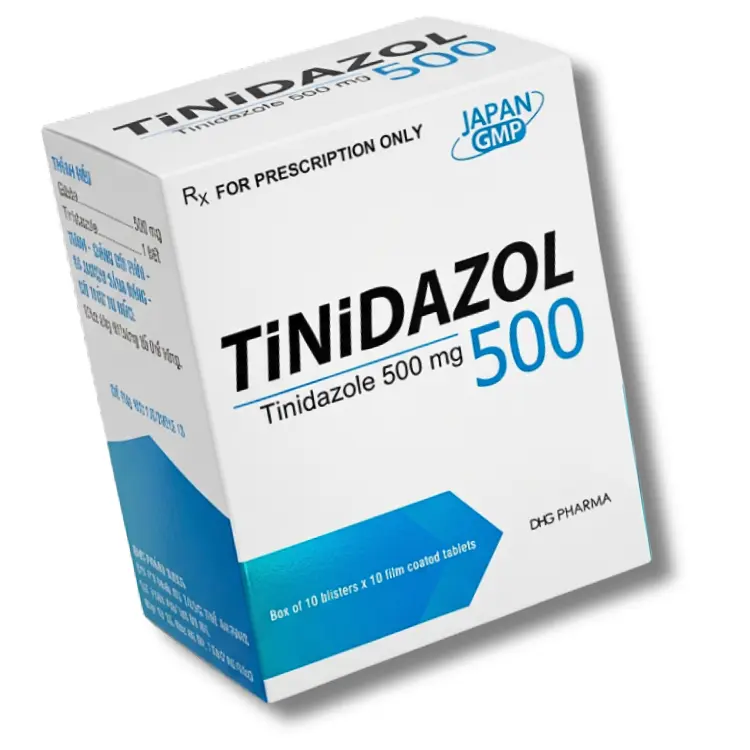
Tinidazole is a prescription antimicrobial medication used to treat specific protozoal and anaerobic bacterial infections. It is classified as a second-generation nitroimidazole antibiotic.
  • ActiveIngredient: Tinidazole
  • DosageForm: Oral tablets
  • Dosage: 250 mg, 500 mg.
  • Indications: Trichomoniasis (caused by T. vaginalis); Giardiasis (caused by G. duodenalis); Amebiasis (intestinal amebiasis and amebic liver abscess caused by E. histolytica); Bacterial Vaginosis (in non-pregnant women).
  • Manufacturer: Mission Pharmacal Company (Tindamax); generic manufacturers include Lupin Pharmaceuticals, Teva Pharmaceuticals, and Heritage Pharmaceuticals.
  • Storage: Store at room temperature 20°C–25°C (68°F–77°F); protect from moisture and light.
  • Drug Status: Prescription Only

What is Tinidazole?

Tinidazole is an oral antimicrobial agent belonging to the nitroimidazole drug class. Its primary function is to treat infections caused by susceptible protozoa and anaerobic bacteria.

The medication acts as a prodrug. Within anaerobic microorganisms, its nitro group is chemically reduced, forming compounds that damage microbial DNA and inhibit synthesis, leading to cell death.

Tinidazole is structurally related to metronidazole (Flagyl) but has a longer half-life, which often allows for shorter or single-dose treatment regimens for certain conditions. It is available in generic form and by prescription only.

Administration

Tinidazole should be taken exactly as prescribed by a healthcare professional. General administration guidance may vary depending on the indication and patient-specific factors.

Course Completion

Patients should follow the full prescribed course as directed by their physician. Premature discontinuation may reduce treatment effectiveness and contribute to antimicrobial resistance.

Missed Dose

Instructions for missed doses should be obtained from the prescribing physician or included prescription guidance. Double dosing should be avoided.

Side Effects of Tinidazole

Common and Serious Side Effects of Tinidazole
FrequencySide EffectsNotes
Common
  • Metallic or bitter taste in the mouth
  • Nausea, vomiting, or loss of appetite
  • Stomach pain or discomfort
  • Headache or dizziness
  • Fatigue
These effects are often mild and may lessen as treatment continues. Taking the medication with food can help manage gastrointestinal symptoms.
Less Common
  • Darkening of urine
  • Vaginal itching or discharge (which may indicate a secondary fungal infection like thrush)
  • Constipation or diarrhea
Report persistent symptoms to your healthcare provider.
Serious (Seek Medical Help)
  • Numbness, tingling, pain, or weakness in the arms or legs (symptoms of peripheral neuropathy)
  • Seizures, confusion, or problems with coordination
  • Signs of a severe allergic reaction (hives, difficulty breathing, swelling of the face or throat)
  • Severe skin rash, blistering, or peeling
  • Mouth sores
Discontinue tinidazole and contact your doctor immediately. Some neurological effects may persist after stopping the drug.

What is Tinidazole Used For?

Tinidazole is prescribed for specific infections caused by susceptible microorganisms. A healthcare professional must confirm the diagnosis before treatment begins.

FDA-Approved Uses

  • Trichomoniasis: A sexually transmitted infection caused by the parasite Trichomonas vaginalis. It is a first-line treatment for this condition. Learn more about trichomoniasis.
  • Giardiasis: An intestinal infection caused by the parasite Giardia lamblia.
  • Intestinal Amebiasis: An infection of the intestines caused by the parasite Entamoeba histolytica. Information on intestinal amebiasis is available.
  • Amebic Liver Abscess: Treatment of liver abscess caused by Entamoeba histolytica.
  • Bacterial Vaginosis (BV): Treatment of bacterial vaginosis in non-pregnant women. For details, see bacterial vaginosis.

Off-Label Use

Tinidazole may be used under medical supervision for other anaerobic bacterial infections, such as certain types of oral cavity infections. This use is based on physician judgment and is not an FDA-approved indication.

Interactions Alcohol:

Unsafe
Consumption of alcoholic beverages, medications containing alcohol, or products with propylene glycol is prohibited during tinidazole therapy and for at least 72 hours (3 days) after the last dose. The combination can cause a disulfiram-like reaction, resulting in severe nausea, vomiting, flushing, headache, and rapid heart rate. This warning applies to all individuals. For information on alcohol-related disorders, see chronic alcoholism.

Interactions Other Medications:

Consult your doctor
Tinidazole may increase the blood levels and effects of drugs metabolized by the CYP3A4 liver enzyme (e.g., certain statins, some anticoagulants). It may also potentiate the effects of warfarin, increasing the risk of bleeding. Concurrent use with cholestyramine may reduce tinidazole's effectiveness. Provide your doctor with a complete list of all medications and supplements you are taking.

Special Groups Pregnancy:

Consult your doctor
Tinidazole is contraindicated during the first trimester of pregnancy. Use during the second and third trimesters should only be considered if no alternative therapy is appropriate. For general guidance, refer to medication safety in pregnancy.

Special Groups Breastfeeding:

Use with caution
Tinidazole passes into breast milk. Breastfeeding should be interrupted during treatment and for 72 hours after the last dose to avoid exposing the infant to the drug. Consult your pediatrician for advice on feeding during this period. See also a parents' guide to kids' medicine.

Special Groups Elderly:

Use with caution
Elderly patients may be more susceptible to certain side effects, such as dizziness or peripheral neuropathy. Dosage adjustment may be considered based on renal function and overall health status.

Special Groups Children:

Safe if prescribed
Tinidazole is approved for use in children over 3 years of age for the treatment of giardiasis and amebiasis. The dosage is based on the child's weight, and a healthcare provider must determine it.

Effects on Activities Driving:

Use with caution
Tinidazole may cause dizziness, lightheadedness, or confusion. Do not drive or operate vehicles until you are certain you can do so safely.

Effects on Activities Operating Machinery:

Use with caution
The same caution applies to operating machinery. Refrain from such activities if you experience any dizziness or coordination problems.

Important Safety Concerns and Considerations

Carcinogenicity and Mutagenicity

Chronic, high-dose studies in rodents with metronidazole, a related drug, have shown evidence of carcinogenic activity. While similar long-term studies for tinidazole are not available, it should be prescribed only for its approved indications, and unnecessary use should be avoided.

Central and Peripheral Nervous System Effects

Tinidazole use has been associated with convulsive seizures and peripheral neuropathy, primarily characterized by numbness or paresthesia of an extremity. The neuropathy may be irreversible. Therapy should be discontinued if abnormal neurologic signs develop.

Blood Dyscrasias

Mild leukopenia or neutropenia has been observed during tinidazole therapy. Blood counts are recommended if therapy is repeated or extended beyond the recommended duration.

Superinfection

Treatment of bacterial infections may permit overgrowth of non-susceptible organisms, including fungi. The development of a secondary infection, such as vaginal candidiasis, may require appropriate treatment, for example with an agent like fluconazole (Diflucan).

Patients with Severe Liver Impairment

Tinidazole is metabolized in the liver. Patients with severe hepatic disease metabolize tinidazole slowly, leading to accumulation. Dosage adjustment is recommended in this population, and treatment duration should not exceed the normally recommended course.

Critical Warnings for Tinidazole Use

Contraindication with Alcohol

As detailed in the Safety Advice section, the prohibition against consuming alcohol or alcohol-containing products is absolute during and for 72 hours after therapy due to the risk of a severe disulfiram-like reaction.

Pregnancy Warning

Tinidazole is contraindicated in the first trimester of pregnancy due to potential fetal risk. Use during the second and third trimesters is reserved for situations where the potential benefit justifies the potential risk to the fetus.

Neurologic Effects

Patients experiencing seizures, dizziness, confusion, or symptoms of peripheral neuropathy should discontinue the drug and contact their healthcare provider immediately. Tinidazole should be administered with caution to patients with central nervous system diseases.

Hypersensitivity Reactions

Tinidazole is contraindicated in patients with a prior hypersensitivity to tinidazole, other nitroimidazole derivatives (such as metronidazole), or any component of the formulation.

Tinidazole Dosage Information

Dosage is determined by the treating physician based on the specific infection, patient weight (for children), and renal/hepatic function. The following table provides standard guideline doses for adults; always follow your doctor’s specific prescription.

Standard Adult Dosage Guidelines for Tinidazole
InfectionStandard Dosage RegimenNotes
TrichomoniasisA single 2-gram (2000 mg) dose taken orally. Sexual partners should be treated concurrently to prevent reinfection.Often administered as a single dose.
GiardiasisA single 2-gram (2000 mg) dose taken orally.Alternative regimen: 500 mg once daily for 3 days.
Intestinal Amebiasis2 grams once daily for 3 days.For asymptomatic cyst passers, alternative regimens exist.
Amebic Liver Abscess2 grams once daily for 3-5 days.Often used in combination with other amebicidal agents.
Bacterial Vaginosis (in non-pregnant women)2 grams once daily for 2 days, OR 1 gram once daily for 5 days.Treatment of sexual partners is not recommended for BV.

Important Administration Notes

  • Food: Take with food to enhance absorption and minimize gastrointestinal upset.
  • Renal Impairment: No specific dose adjustment is recommended for patients with renal impairment, including those on dialysis.
  • Hepatic Impairment: In patients with severe hepatic impairment (Child-Pugh C), the dose should be reduced by 50%. The duration of therapy should not be extended.
  • Pediatric Dosing: For giardiasis and amebiasis in children over 3 years, the dose is 50 mg/kg (up to 2 grams) as a single daily dose for the specified duration.

Drug Interactions with Tinidazole

Tinidazole may interact with several medications. Inform your doctor about all prescription, over-the-counter, and herbal products you use.

Significant Drug Interactions with Tinidazole
Interacting SubstanceEffect of InteractionRecommendation
Alcohol and Alcohol-Containing ProductsRisk of a disulfiram-like reaction (severe cramps, nausea, vomiting, headaches, flushing).Strictly avoid during therapy and for 72 hours after the last dose.
Warfarin and other Coumarin AnticoagulantsTinidazole may potentiate the anticoagulant effect, increasing the International Normalized Ratio (INR) and the risk of bleeding.Close monitoring of prothrombin time (PT/INR) is recommended during and for several days after coadministration.
Drugs metabolized by CYP3A4 (e.g., certain calcium channel blockers, cyclosporine, some statins)Tinidazole may inhibit the metabolism of these drugs, potentially increasing their blood levels and the risk of adverse effects.Monitor for increased effects of the coadministered drug. Dose adjustment may be necessary.
CholestyramineMay reduce the oral bioavailability of tinidazole, decreasing its effectiveness.Avoid concurrent administration. If unavoidable, separate dosing by several hours.
LithiumPossible increase in serum lithium levels and risk of lithium toxicity.Monitor serum lithium concentrations during concomitant therapy.
Phenytoin, PhenobarbitalMay enhance the metabolism of tinidazole, reducing its plasma concentration and effectiveness.Clinical monitoring for reduced tinidazole efficacy is advised.

FAQs

Yes. Tinidazole is classified as an antimicrobial agent with both antiprotozoal and antibacterial activity against specific anaerobic bacteria. It is a prescription medication. For general information about responsible antibiotic use, see this resource.
Tinidazole interferes with the breakdown of alcohol in the body, leading to an accumulation of acetaldehyde. This causes an unpleasant and potentially severe reaction that includes flushing, headache, nausea, vomiting, and palpitations. The restriction applies for the duration of treatment and for 72 hours after the last dose to ensure the drug is fully cleared from your system.
Both are effective nitroimidazole antibiotics with similar spectrums of activity. A key difference is pharmacokinetics: tinidazole has a longer half-life, which often allows for shorter or simpler dosing regimens (e.g., single-dose therapy for some conditions). Some patients report better gastrointestinal tolerance with tinidazole. The choice between them is made by a healthcare provider.
Yes. By altering the normal bacterial flora in the vagina during treatment for conditions like bacterial vaginosis, tinidazole can sometimes allow for an overgrowth of yeast (Candida), leading to symptoms of vaginal candidiasis (itching, discharge). This is a known possible side effect and may require separate antifungal treatment.
If you miss a dose, take it as soon as you remember. However, if it is almost time for your next scheduled dose, skip the missed dose and continue with your regular dosing schedule. Do not take two doses at once to make up for a missed dose.

Additional Information

Storage and Handling

Store tinidazole tablets at room temperature between 20°C to 25°C (68°F to 77°F), in a tightly closed container, and away from light, excess heat, and moisture. Keep all medications out of the reach of children and pets.

Mechanism of Action

After entering an anaerobic microorganism, tinidazole is reduced by nitroreductase enzymes. This reduction generates reactive, unstable intermediates that cause strand breaks in microbial DNA and inhibit further nucleic acid synthesis, leading to cell death.

Reporting Side Effects

You are encouraged to report negative side effects of prescription drugs to the relevant national health authority (e.g., the FDA in the United States). Reporting helps health authorities monitor drug safety and identify new risks.

References and Medical Sources

The information on this page is compiled from reputable medical sources and prescribing information.

  1. U.S. Food and Drug Administration (FDA). Tindamax (tinidazole) Prescribing Information. [Updated 2019]. https://www.accessdata.fda.gov/drugsatfda_docs/label/2007/021618s003lbl.pdf
  2. MedlinePlus. Tinidazole. U.S. National Library of Medicine; [Updated 2022]. https://medlineplus.gov/druginfo/meds/a605036.html
  3. Centers for Disease Control and Prevention (CDC). Sexually Transmitted Infections Treatment Guidelines, 2021. [Updated 2021]. https://www.cdc.gov/std/treatment-guidelines/default.htm
  4. Drugs.com. Tinidazole Professional Monograph. Drugs.com; [Updated 2024]. https://www.drugs.com/monograph/tinidazole.html

Disclaimer: The information on this site is provided for informational purposes only and is not medical advice. It does not replace professional medical consultation, diagnosis, or treatment. Do not self-medicate based on the information presented on this site. Always consult with a doctor or other qualified healthcare professional before making any decisions about your health.

You must login to add a comment.

Popular Questions

Top Members

Join the discussion

Comments are published after moderation. User opinions do not constitute medical advice.

We sincerely appreciate you taking the time to share your feedback. Every user's perspective is valuable to us.

Ask to get answers.